12 Best Oils for Locs to Keep Your Hair Healthy, Soft & Moisturised
Disclosure: Some of the links in this post are affiliate links. This means if you click on the link and purchase an item, I will receive an affiliate commission at no extra cost to you. All opinions remain my own. I only recommend products or services I believe will add value to my readers.
Keeping locs soft, healthy and moisturised takes more than washing your hair and waiting for your next retwist appointment. Sometimes, you notice that your locs feel dry even after applying your favourite hair products. Other times, your scalp starts feeling uncomfortable, or your locs lose the softness they had a few days after wash day. That’s when finding the 12 best oils for locs becomes especially helpful. The right oil can help seal in moisture, soften your hair and keep your scalp comfortable.
However, choosing an oil isn’t always straightforward. Walk into a beauty store, and you’ll find everything from coconut oil and castor oil to jojoba oil, avocado oil and several herbal blends.
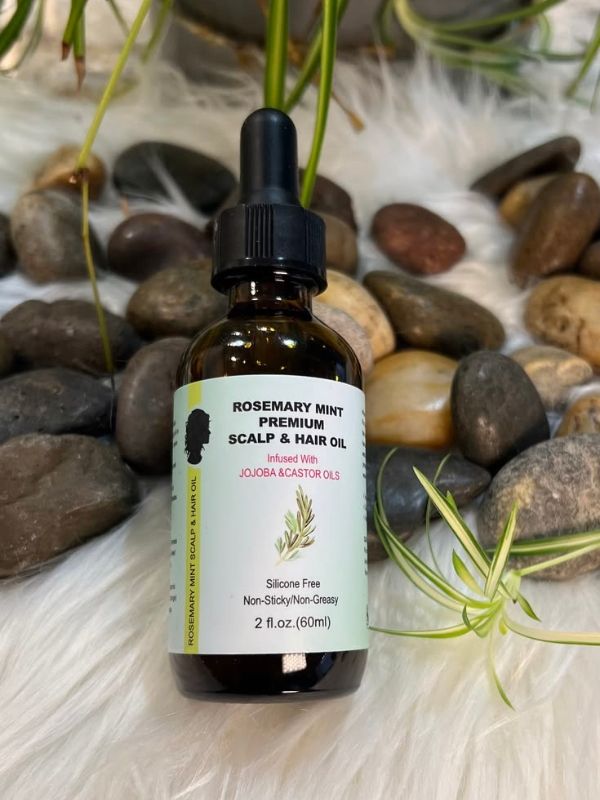
Although they all have their uses, they don’t necessarily work the same way. Some are lightweight and suitable for regular use, while others are thicker and better suited to occasional treatments.
The good news is that you don’t need twelve different bottles sitting on your bathroom shelf. You simply need to understand what each oil does and which one suits your locs. Whether you have starter locs, mature locs or traditional dreadlocks, these options will help you build a more thoughtful hair-care routine.
Check out
Thanksgiving Hairstyles for Black Women, Girls; Kids That Are Cute and Stylish
20 Cute and Trendy Crochet Hairstyles for Women: Beautiful Looks to Try
25 Headband Hairstyles for Short Wavy Hair
30 Low-Cut Hairstyles for Women Who Want a Fresh Look
12 Best Oils for Locs to Keep Your Hair Healthy & Moisturised
1. Jojoba Oil for Lightweight Moisture and Scalp Care
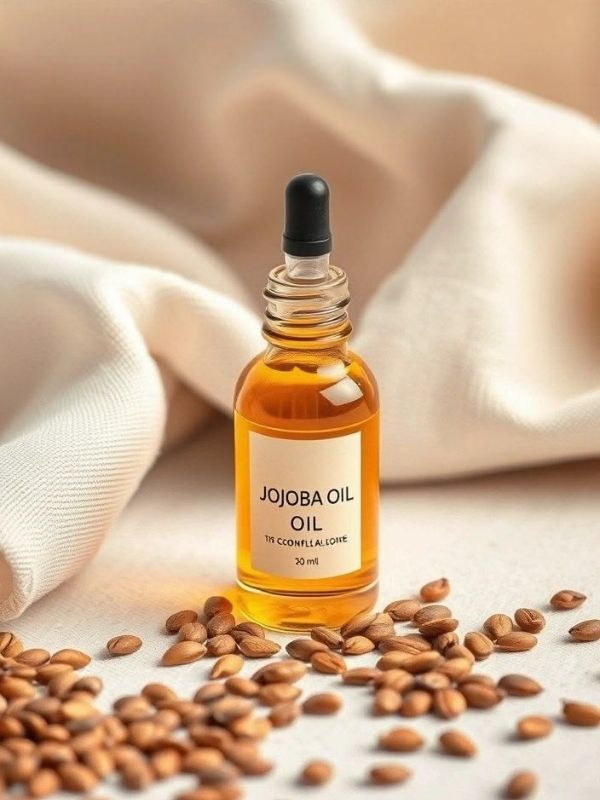
Jojoba oil deserves a place at the top of the 12 best oils for locs because of its lightweight texture. Unlike some heavier oils, it spreads easily and doesn’t leave your hair feeling excessively greasy when you use a small amount. This makes it a lovely option for people who prefer a simple hair-care routine.
One interesting thing about jojoba oil is that its composition resembles some of the natural oils produced by the scalp. Therefore, it works well as a conditioning oil for people who dislike the heavy feeling of traditional hair products.
For example, imagine finishing your wash day and noticing that your scalp feels slightly dry. Instead of reaching for a thick oil, you can apply a few drops of jojoba oil along your scalp. Massage gently with your fingertips, then leave it alone.
Jojoba oil also works well for maintaining the appearance of mature locs. You can smooth a tiny amount over your hands and lightly distribute it across your locs.
However, remember that oil doesn’t replace water-based moisturising products. Apply a light water-based mist first when your locs need hydration. Then use jojoba oil to help reduce moisture loss.
Best for: Lightweight conditioning, scalp care and people who dislike greasy hair products.
2. Jamaican Black Castor Oil for Softness and Shine
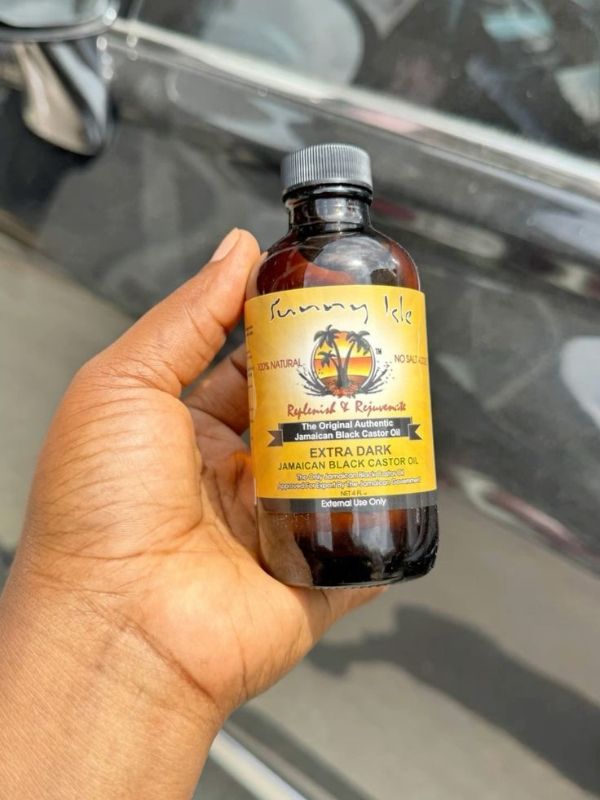
Jamaican black castor oil is one of the familiar names in natural hair care. Many people include it in their loc routines because of its thick consistency and ability to give hair a noticeable shine.
Unlike jojoba oil, Jamaican black castor oil feels quite heavy. Therefore, you don’t need much to enjoy its conditioning properties. A few drops can go a long way, especially when you’re applying it to the ends of your locs.
Think about those days when your hair looks dull after spending time outdoors. You might be tempted to cover your entire head with oil. However, that can leave your locs feeling coated. Instead, use a tiny amount and distribute it carefully.
Among the 12 best oils for locs, castor oil is better suited to people who enjoy richer products. You can also mix a small amount with a lighter carrier oil, such as jojoba or grapeseed oil, to make application easier.
One thing worth mentioning is that castor oil doesn’t have strong scientific evidence proving that it makes hair grow faster. Its popularity shouldn’t be confused with proven hair-growth results.
Best for: Rich conditioning, shine and occasional use on dry-feeling locs.
You may also like
25 Elegant Wedding Guest Loc Hairstyles for Women
15 Baseball Cap Hairstyles for Every Hair Type
15 Romantic Soft Loc Hairstyles for Date Night
3. Coconut Oil for Conditioning and Hair Protection
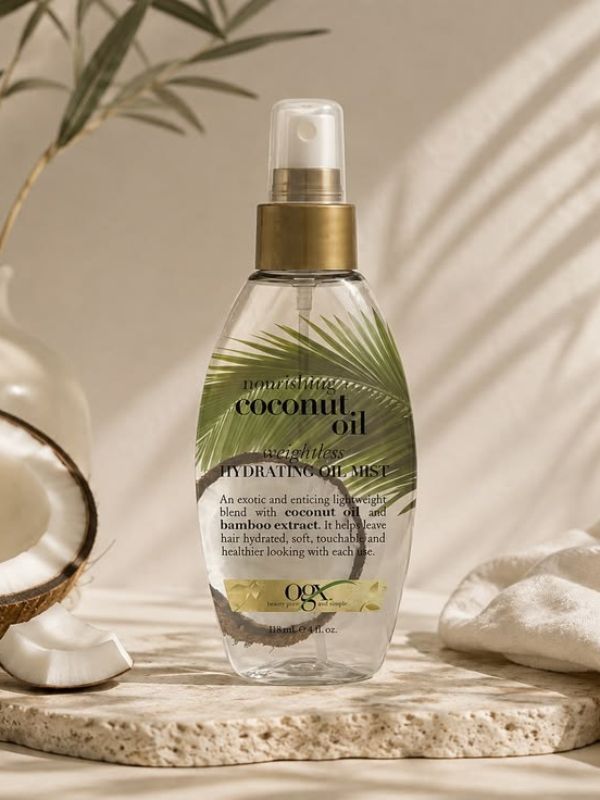
Coconut oil is a household favourite for a reason. People have used it in natural hair routines for years, and it remains one of the most recognised oils for caring for textured hair.
One of its interesting qualities is its ability to penetrate the hair shaft better than many other common oils. Research has also found that coconut oil can help reduce protein loss from hair. This makes it useful when you’re trying to protect your strands from excessive dryness and breakage.
For loc wearers, however, application matters. Coconut oil can feel heavy, especially when you apply too much or use it frequently. It may also leave residue inside tightly formed locs.
If you’ve ever washed your hair and noticed that some sections still feel coated, you understand why product quantity matters. Start with a very small amount and see how your hair responds.
Coconut oil also becomes solid in cooler temperatures. You can warm a little between your palms before application.
When comparing the 12 best oils for locs, coconut oil is worth considering for occasional conditioning. However, people whose locs easily collect buildup may prefer lighter alternatives.
Best for: Occasional conditioning and helping reduce protein loss from hair.
4. Argan Oil for Shine and Smooth-Looking Locs
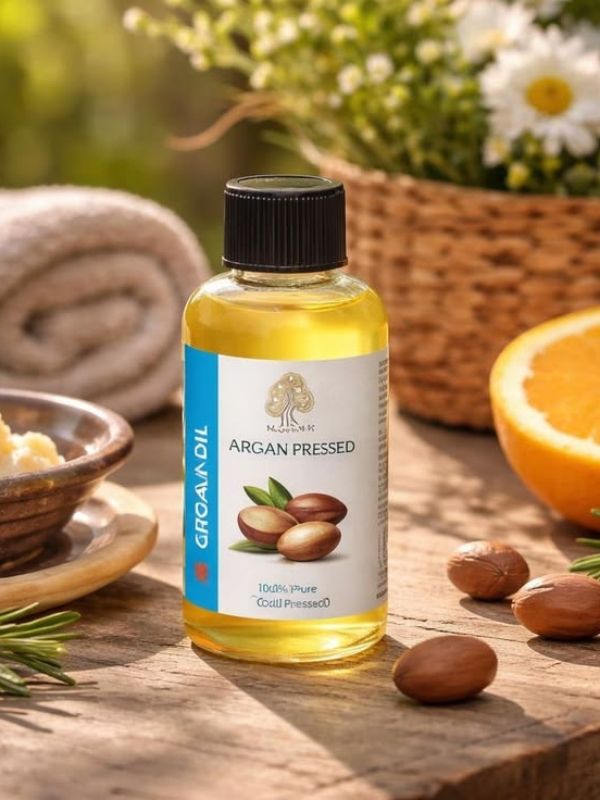
Argan oil is often called liquid gold in beauty conversations, and its popularity comes from its smooth texture and conditioning properties. It contains fatty acids and vitamin E, making it a popular ingredient in hair-care products.
If your locs look dull or feel slightly rough, argan oil may be worth trying. It spreads easily and can give your hair a smoother appearance without the thickness associated with castor oil.
Picture getting ready for an outing after spending several weeks keeping up with your loc routine. Your locs are clean, but they don’t have the soft-looking finish you want. A small amount of argan oil can help improve their appearance.
However, you should avoid applying too much. Even lightweight oils can collect inside locs when used excessively.
Argan oil also works well as part of a finishing routine. Apply a little to your palms, rub your hands together and lightly smooth the product over your locs.
Among the 12 best oils for locs, this is a particularly appealing choice for people who want shine without relying on heavy hair butters.
Remember, though, that argan oil is not a proven treatment for hair growth. Its main appeal is conditioning and cosmetic care.
Best for: Shine, smoother-looking locs and lightweight conditioning.
5. Grapeseed Oil for Lightweight Conditioning
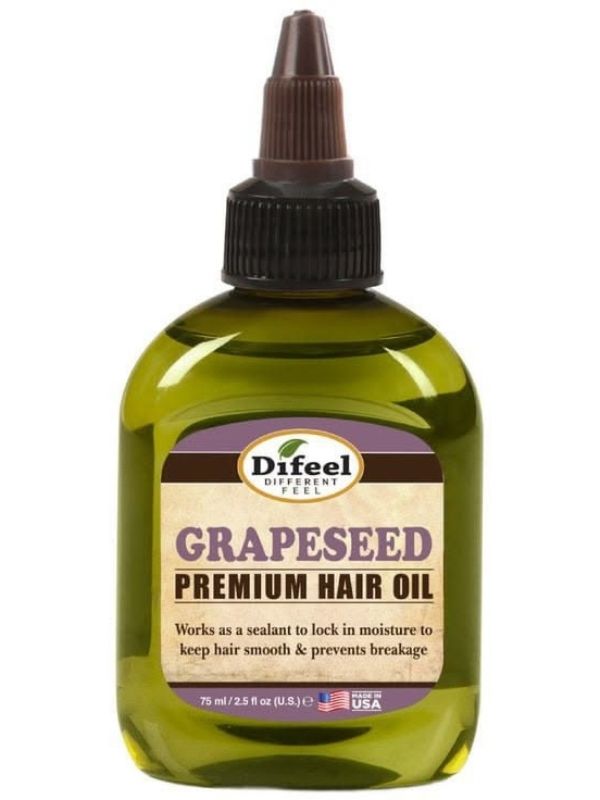
Not everyone enjoys using thick oils on their locs. Some people prefer products that feel almost weightless, especially when their hair is already dense or their scalp becomes oily quickly.
That’s where grapeseed oil comes in.
Grapeseed oil has a light consistency, making it a convenient option for people who want to condition their hair without creating a heavy coating. It also contains vitamin E and fatty acids.
For instance, if you have mature locs and notice that heavier oils make them feel sticky, you might prefer switching to grapeseed oil. It spreads easily, so you can apply a small amount without repeatedly coating the same section.
You can also use it as a carrier oil when preparing a properly diluted hair-care blend. However, avoid adding concentrated essential oils directly to your scalp.
Of the 12 best oils for locs, grapeseed oil is one of the options worth considering for people who prefer simple, lightweight products.
It is also relatively easy to incorporate into an existing routine. You don’t need to replace every product you already use. Simply introduce a small amount and observe how your hair responds.
Best for: Lightweight conditioning, oily scalps and people who dislike heavy oils.
6. Avocado Oil for Dry and Coarse Locs
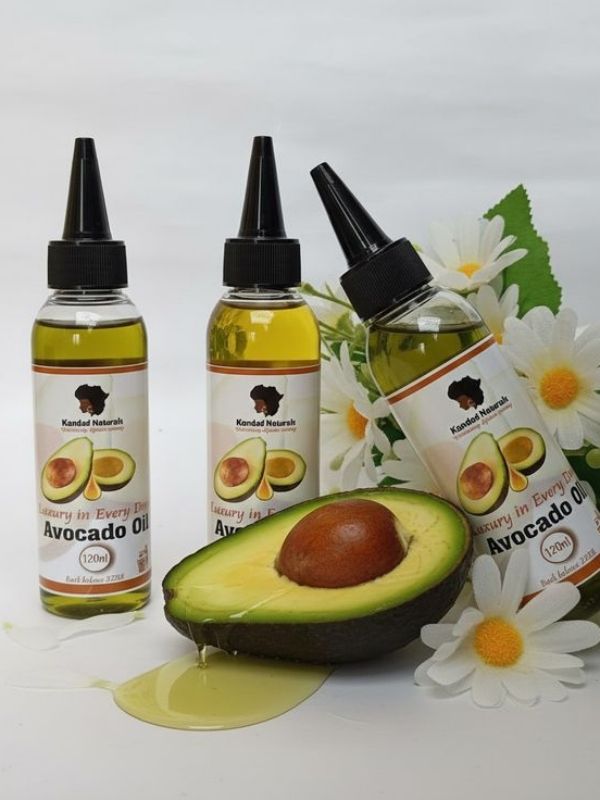
Avocado oil is a richer plant-based oil that contains fatty acids and vitamin E. It is popular in natural hair products because it helps condition hair and improve its overall feel.
If your locs often feel rough after washing, avocado oil may be a useful addition to your routine. Its richer consistency makes it suitable for people who prefer a more substantial conditioning product.
Imagine washing your locs after a busy week. Your hair feels clean, but the lengths seem a little rough. After using a water-based moisturiser, you can apply a small amount of avocado oil to help seal in some of that moisture.
However, don’t mistake a richer texture for better results. Applying more oil won’t automatically make your locs healthier. In fact, excessive application can encourage residue to collect inside your hair.
Avocado oil also works well in pre-wash conditioning routines for people whose hair responds positively to it.
When exploring the 12 best oils for locs, consider this option if your hair responds better to richer oils than lightweight alternatives.
Start with a small amount, particularly if your locs are tightly formed or prone to product buildup.
Best for: Conditioning, dry-feeling locs and people who prefer richer oils.
7. Sweet Almond Oil for Softness and Everyday Care
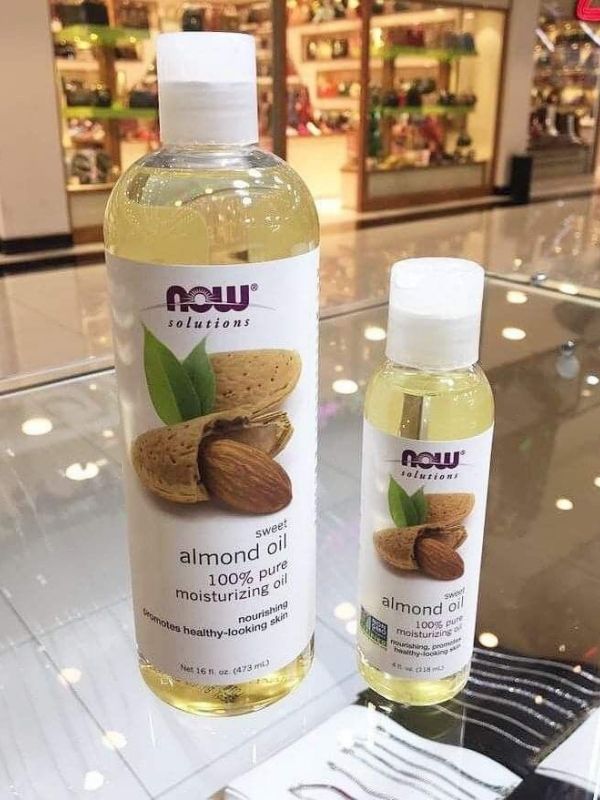
Sweet almond oil is another popular ingredient in natural hair-care products. Its relatively lightweight consistency makes it useful for people who want a conditioning oil without the thickness of castor oil.
It contains fatty acids and vitamin E, which contribute to its popularity in skin and hair products.
One reason to consider sweet almond oil is its versatility. You can use a small amount on your locs after applying a water-based moisturiser. It can also be included in a simple carrier oil blend.
Let’s say your locs feel slightly dry halfway through the week. You don’t necessarily need to repeat your entire wash-day routine. A light mist followed by a little sweet almond oil may be enough to improve their feel.
Of course, everyone’s hair responds differently. If your scalp feels oily quickly, you may prefer using sweet almond oil only on the lengths of your locs.
Among the 12 best oils for locs, sweet almond oil is a practical choice for people who want a simple conditioning option.
If you have a nut allergy, avoid sweet almond oil unless a healthcare professional confirms that the specific product is safe for you. Always check the ingredient label before purchasing.
Best for: Softness, lightweight conditioning and simple hair-care blends.
8. Olive Oil for Rich Conditioning
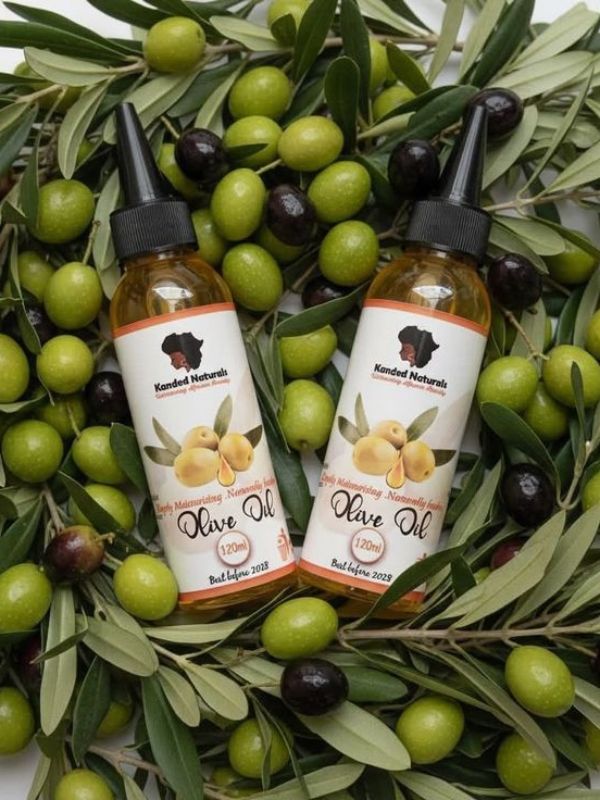
Olive oil is probably already sitting in many kitchens, but it has also been used in traditional hair-care routines for generations.
Its richer consistency makes it a popular choice for people who enjoy heavier conditioning treatments. It contains oleic acid and other fatty acids that contribute to its conditioning properties.
If you have thick locs that respond well to richer products, olive oil may be worth considering. However, it isn’t necessary to apply it every day.
For example, you might choose to use a small amount during an occasional pre-wash conditioning treatment. This allows you to enjoy its conditioning properties without leaving too much product inside your locs.
Still, be careful with the quantity. Olive oil can leave a noticeable coating when overused. This is especially important if your locs are tightly packed or take a long time to dry.
When comparing the 12 best oils for locs, olive oil stands out as an option for people who prefer richer conditioning products.
You should also remember that clean locs are important. No oil can replace regular washing, proper rinsing and allowing your hair to dry completely.
Best for: Rich conditioning and occasional pre-wash treatments.
9. Hemp Seed Oil for Lightweight Nourishment
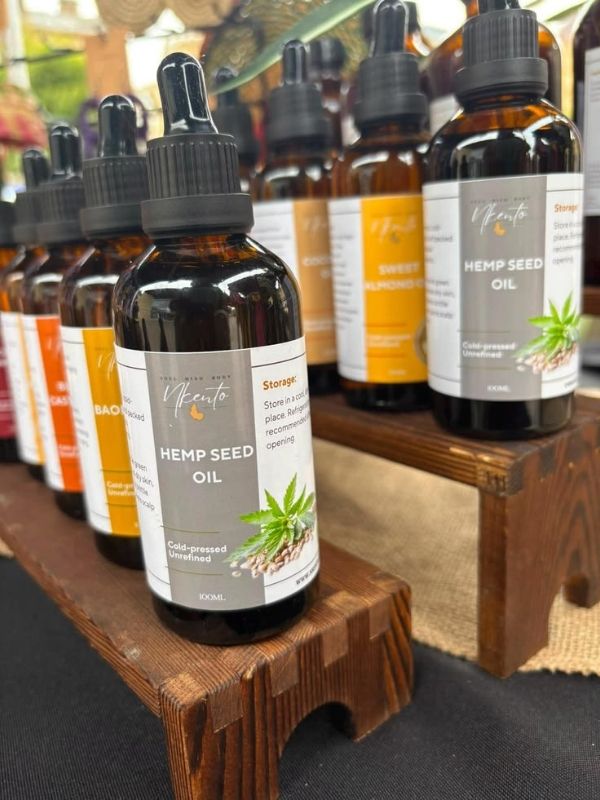
Hemp seed oil is another plant-based option worth knowing about when building a loc-care routine.
It contains essential fatty acids, including omega-3 and omega-6. Its relatively light texture also makes it appealing to people who don’t enjoy heavy oils.
One of the biggest advantages of hemp seed oil is how easily it fits into a simple conditioning routine. You can apply a small amount after misting your locs with water or use it as part of a carefully selected carrier oil blend.
Think about someone who has recently switched from heavy hair creams to lighter products. They may want something that gives their locs a conditioned feel without leaving them coated. Hemp seed oil could be worth testing.
However, hemp seed oil isn’t a miracle treatment. It won’t automatically repair damaged locs or make your hair grow faster.
The 12 best oils for locs should be viewed as different options for different needs, rather than products everyone must purchase.
If you decide to try hemp seed oil, start with a small quantity. Store it according to the manufacturer’s instructions because some formulations can become rancid when exposed to heat and light.
Best for: Lightweight conditioning and people who prefer plant-based oils.
10. Sunflower Oil for Simple Hair Conditioning
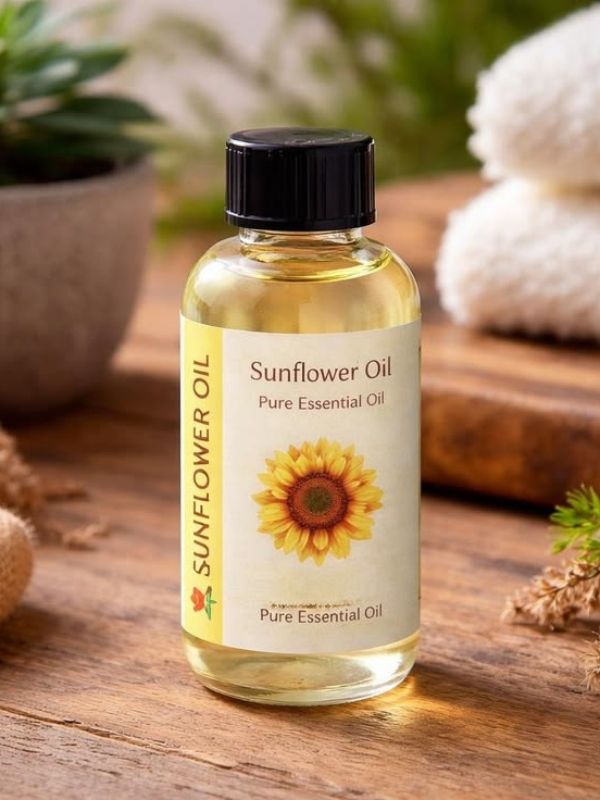
Sunflower oil is often overlooked because people tend to focus on more popular choices such as coconut, jojoba and castor oil.
However, it has useful conditioning properties and contains fatty acids and vitamin E.
Its lighter consistency makes it an interesting option for loc wearers who want to avoid excessive product weight. You can use a small amount to condition your locs after applying a water-based moisturiser.
For example, imagine your locs feel slightly dry, but you don’t want to use a thick oil that might leave them greasy. Sunflower oil can be a reasonable alternative to test.
It also works well in some commercially prepared hair-care blends. When purchasing it, look for a product intended for cosmetic use and check the ingredient list.
Among the 12 best oils for locs, sunflower oil is a practical option for people who enjoy uncomplicated hair-care products.
Nevertheless, it is important to remember that oils mainly help with conditioning and reducing moisture loss. They do not provide all the hydration your hair needs.
Use a water-based moisturiser first, then apply a little sunflower oil if your hair benefits from it.
Best for: Lightweight conditioning and simple moisturising routines.
11. Apricot Kernel Oil for Soft and Manageable Locs
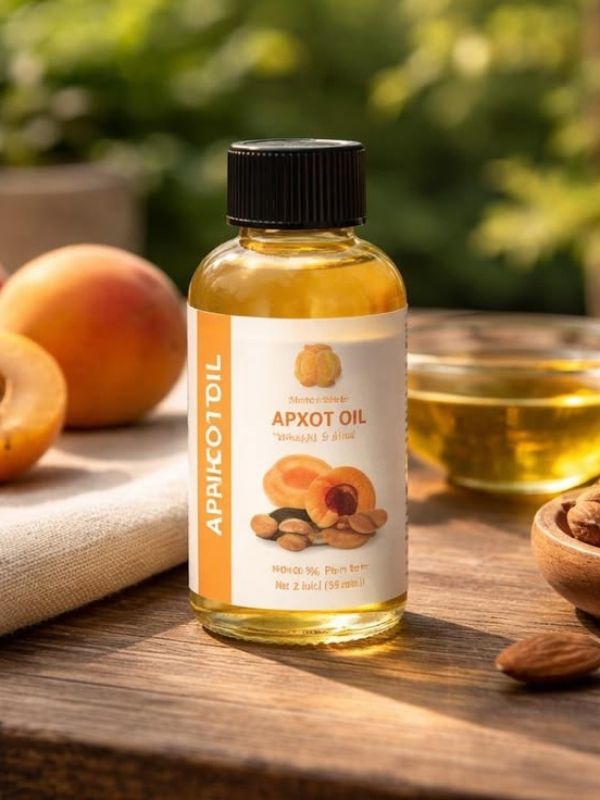
Apricot kernel oil is a gentle-feeling plant oil that deserves more attention in natural hair care.
It has a light-to-medium consistency and contains fatty acids that help condition the hair. Because it spreads easily, it can be a good option for people who want something between very lightweight oils and heavier alternatives.
For example, perhaps jojoba oil feels too light for your preference, but castor oil leaves your locs feeling coated. Apricot kernel oil may offer a comfortable middle ground.
You can apply a little after misting your hair with water. Alternatively, you can use it as an ingredient in a commercially prepared conditioning blend.
The important thing is to avoid applying several different oils at once. When you introduce too many products, it becomes difficult to identify which ingredient your hair actually likes.
As you compare the 12 best oils for locs, consider apricot kernel oil if you want another conditioning option to experiment with.
People with nut allergies should also check the product’s sourcing and ingredients before using it.
A simple routine with one suitable oil is often more manageable than constantly switching between different products.
Best for: Softness, manageable locs and medium-weight conditioning.
12. Baobab Oil for Nourishing and Conditioning Locs
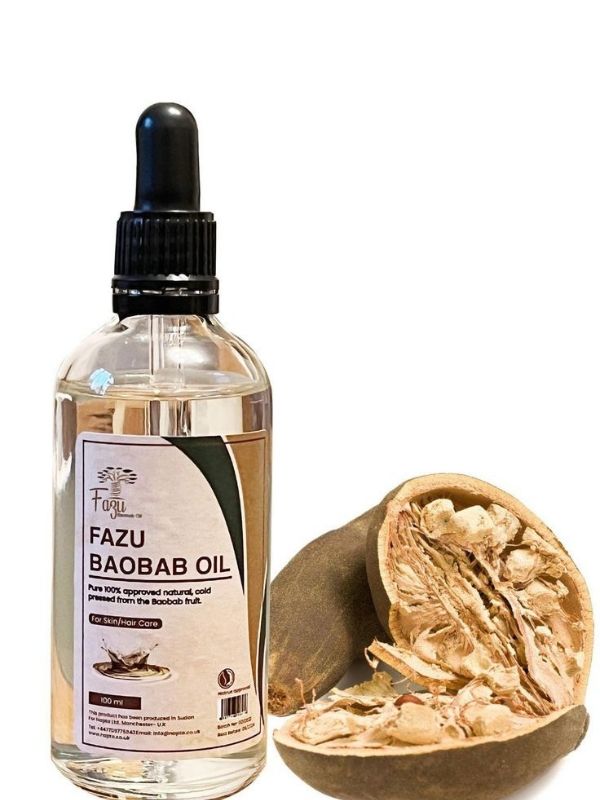
Baobab oil is an interesting addition to natural hair care, particularly for people who enjoy plant-based beauty products.
Extracted from the seeds of the baobab tree, this oil contains fatty acids and is used in various cosmetic formulations. Its conditioning properties make it an option worth considering for dry-feeling locs.
If you enjoy trying natural ingredients, baobab oil offers something different from the usual coconut and castor oil combinations.
For instance, you might find it in a loc-care blend designed to improve softness and give hair a conditioned finish. You can also look for pure cosmetic-grade baobab oil.
However, remember that a natural ingredient isn’t automatically suitable for every scalp or hair type. Start with a small amount and observe how your locs respond.
The 12 best oils for locs don’t all need to become permanent parts of your routine. You can choose one or two that meet your needs and leave the rest.
Baobab oil is also not a clinically established hair-growth treatment. Its value is mainly in its conditioning and cosmetic properties.
Best for: Plant-based conditioning, softness and people who enjoy trying different natural oils.
Frequently Asked Questions About 12 Best Oils for Locs
1. What Is the Best Oil for Keeping Locs Moisturised?
Jojoba oil is a good starting point because it has a lightweight texture and works well as a conditioning oil. Grapeseed and argan oils are also worth considering.
However, remember that oil doesn’t add water to your hair. Apply a water-based moisturiser or mist first, then use a little oil to help reduce moisture loss.
2. How Often Should You Oil Your Locs?
There isn’t one schedule that works for everyone. Some people prefer applying a little oil once or twice a week, while others need it less frequently.
Pay attention to your scalp and hair. If your locs feel coated or greasy, reduce the amount. Also, avoid applying oil repeatedly without washing your hair.
3. Does Castor Oil Make Locs Grow Faster?
Castor oil is popular in hair-growth routines, but there isn’t strong scientific evidence proving that it increases hair growth.
It can help condition hair and give it a shiny appearance. However, healthy hair growth also depends on factors such as genetics, nutrition, scalp health and avoiding unnecessary tension.
4. Can You Mix Different Oils for Locs?
Yes, you can combine compatible carrier oils. For example, jojoba and grapeseed oil make a lightweight combination, while a little castor oil can add a richer texture.
However, mixing more oils doesn’t automatically produce better results. Start with one or two ingredients and observe how your scalp and locs respond.
Never apply concentrated essential oils directly to your scalp.
5. Should You Apply Oil to Starter Locs?
You can use a small amount of suitable oil on starter locs, but moderation is important.
New locs are still forming, so excessive product application may contribute to buildup and interfere with the locking process. Choose lightweight products, keep your scalp clean and follow your loctician’s advice.
Conclusion
Finding the right oil can make your loc-care routine easier and more enjoyable. However, you don’t need every product on this list to maintain healthy-looking locs. Sometimes, one lightweight oil and a good water-based moisturiser are all you need.
The 12 best oils for locs offer different conditioning benefits, from the lightweight feel of jojoba and grapeseed oil to the richer texture of castor and olive oil. The best choice depends on your hair’s needs, your scalp and how well your locs respond to different products.
Most importantly, don’t forget the basics. Wash your locs regularly, rinse out products properly, avoid excessive oil application and allow your hair to dry completely.
With a consistent routine and products that suit your hair, you can keep your locs looking clean, soft and well cared for without making hair maintenance unnecessarily complicated.