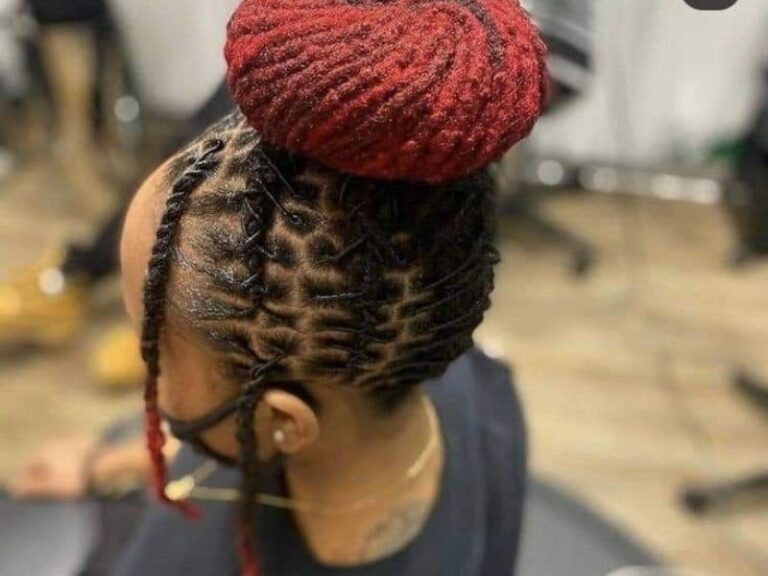
Easy Guide to Washing Starter Locs Without Frizz or Unraveling
This Post Will Show You Easy Guide to Washing Starter Locs Without Frizz or Unraveling.
If you’ve been looking for an easy guide to washing starter locs without frizz or unraveling, you’re in the right place. You’re probably thinking about those clean parts, neat coils or twists, and how fresh everything looks right after installation. You can already picture how full and beautiful your locs will become in a few months.
Then wash day shows up, and with it, the anxiety. “What if they unravel?” “What if my parts get messy?” “Should I just skip washing for a while so I don’t ruin them?”
Now let’s dive into an easy guide to washing starter locs without unraveling and keeping them looking neat and healthy.
Here’s the reassuring part: you can wash your starter locs safely and you actually should.
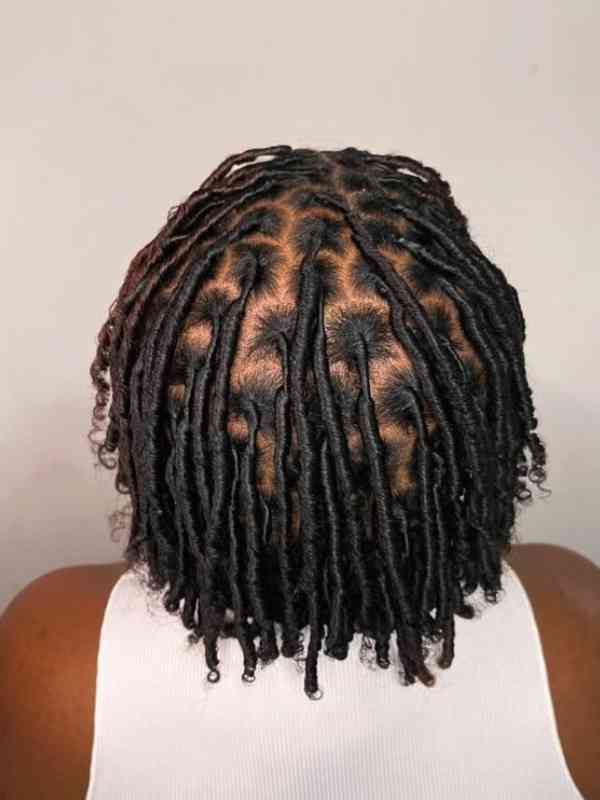
In this Easy Guide to Washing Starter Locs Without Frizz or Unraveling, you’ll learn exactly when to wash starter locs, the best products to use, a simple step-by-step washing method, how to dry them properly, and practical tips to help you keep your locs intact without unraveling.
Below are Easy Guide to Washing Starter Locs Without Frizz or Unraveling:
Why Starter Locs Unravel Easily After Washing
To prevent unraveling, you first need to understand why it happens in the first place.
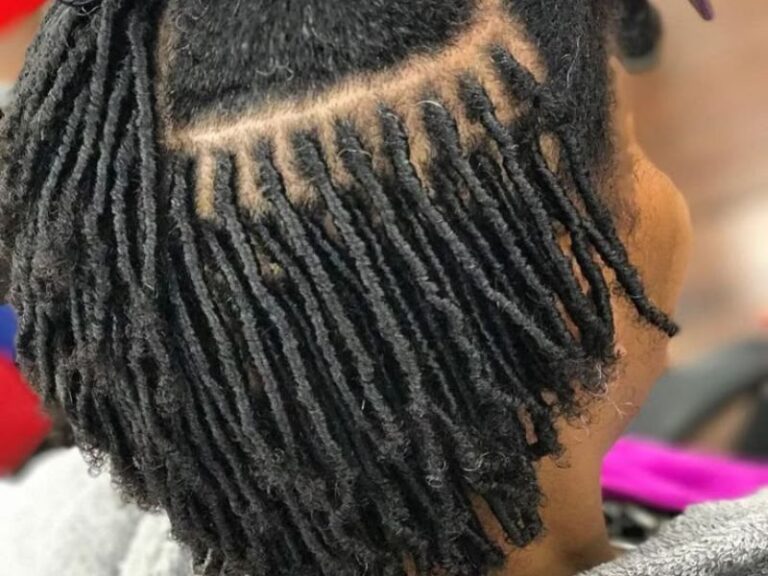
Starter locs are still in their early formation stage, which means they haven’t fully locked yet. Whether you began with comb coils, two-strand twists, or braids, your hair is still training itself to hold a new pattern—so a little loosening is completely normal at this stage.
Here are the main reasons washing can lead to unraveling:
1. Water Softens and Expands the Hair
When water hits your starter locs, it temporarily softens the hair and causes it to swell. This loosening effect can make coils and twists relax, especially if they are very fresh or not tightly set.
2. Too Much Movement or Rough Handling
How you handle your hair during wash day matters a lot. Vigorous scrubbing, aggressive rubbing, or rough towel-drying can disturb the pattern your locs are trying to form and cause them to loosen or separate.
3. Hair Texture Plays a Role
If your hair is naturally soft, silky, or has a looser curl pattern, it may take a bit longer to hold onto the loc formation. This makes early-stage unraveling more noticeable compared to tighter curl types.
4. Locs Are Still “Setting” in the Early Stage
In the beginning weeks and months, starter locs are still settling into their shape. During this time, they are more sensitive to water, manipulation, and everyday movement, which is why extra care is important after washing.
If you are looking for more locs ideas? Check out our:
15 Summer Loc Hairstyles to Keep You Cool and Stylish
15 Bold and Beautiful Loc Colors for a Summer Glow
15 Beautiful Loc Styles for Brides (Classy & Timeless)
10 Must-Know Tips Before You Install Locs
When Should You Wash Starter Locs for the First Time?
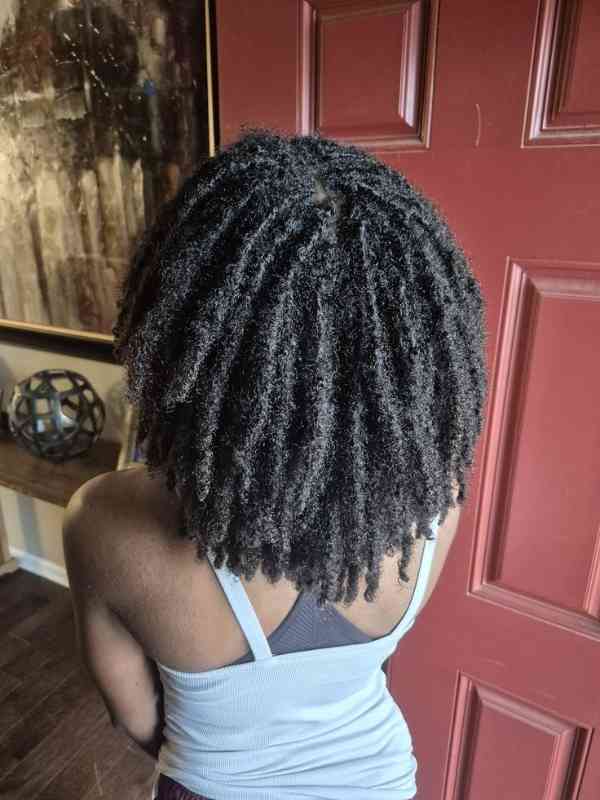
One of the biggest myths in the loc community is that you shouldn’t wash your starter locs for months. Honestly, that’s not true.
In most cases, you can safely wash your starter locs 2–4 weeks after installation. If your scalp starts to feel itchy or flaky, you don’t have to wait go ahead and wash it sooner. The same applies if you sweat often, whether from workouts, hot weather, or an active lifestyle.
At the end of the day, a clean scalp is key to healthy loc formation. When dirt, sweat, and product buildup sit on your scalp for too long, they can actually slow down the locking process instead of helping it.
So yes washing your starter locs is not something to fear. It’s something your hair actually needs.
What You’ll Need Before Washing Starter Locs
If you want to keep your locs from unraveling, preparation is everything. Having the right tools makes the whole process easier and safer for your hair.
Here’s what you’ll need:
- A residue-free shampoo (lightweight and clarifying)
- A stocking cap or wave cap to hold your locs in place
- A spray bottle (optional, but helpful for gentle rinsing)
- A microfiber towel or cotton T-shirt for drying
- A hooded dryer or a well-ventilated space
Try to avoid heavy, creamy shampoos in the early stages. They can leave behind residue, which can slow down the locking process and cause buildup later on.
Easy Guide to Washing Starter Locs Without Frizz or Unraveling
Now let’s get into the safest and simplest way to wash your starter locs without ruining your progress.
Step 1 – Secure Your Locs (Use the Stocking Cap Method)
If you started your locs with comb coils, this step is a must.
Comb coils tend to unravel easily, so wearing a clean stocking cap or wave cap helps keep everything in place while you wash. It prevents your locs from swelling too much and losing their shape.
Make sure the cap is snug but not too tight you want it secure, not uncomfortable.
If you have two-strand twists or braids, you might be able to skip this step, but using a cap can still help reduce frizz and keep your parts neat.
Step 2 – Dilute Your Shampoo
Applying thick shampoo directly to starter locs is a mistake you want to avoid.
Instead, dilute it:
- Mix 1 part shampoo with 3 parts water
- Pour it into a bottle (a spray or applicator bottle works best)
- Shake well before using
Diluting your shampoo makes it lighter, reduces friction, and allows it to spread evenly through your scalp without disturbing your locs.
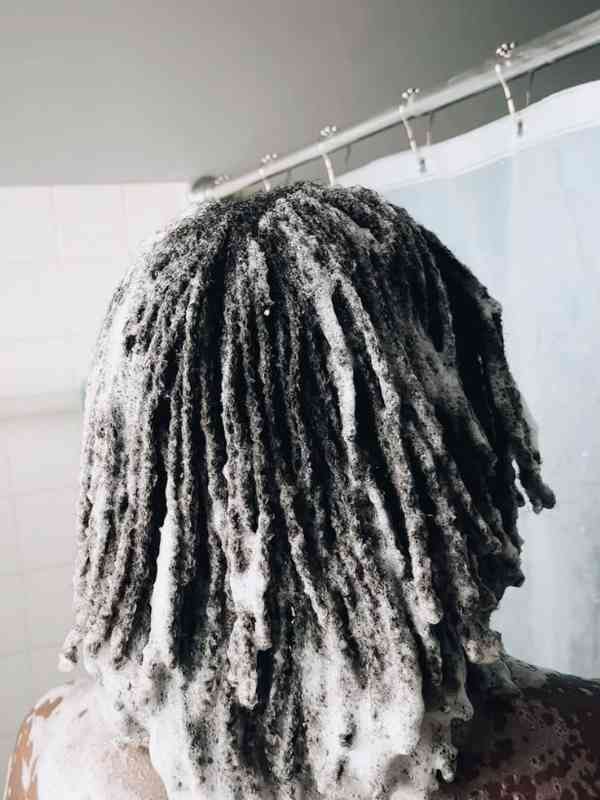
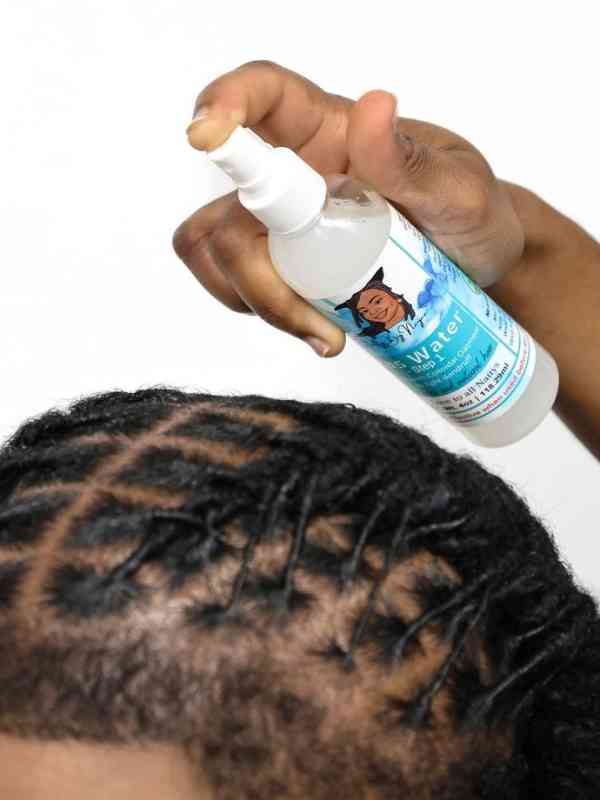
Step 3 – Focus on Your Scalp (Not the Length)
Your scalp is the priority here not the locs themselves.
Apply the diluted shampoo directly to your scalp
Use the pads of your fingers (not your nails)
Gently press and massage
Avoid:
- Scrubbing in harsh circular motions
- Rubbing or bunching your locs together
As you rinse, the shampoo will naturally run down your locs and lightly cleanse them that’s more than enough at this stage.
Step 4 – Rinse Gently with Low Water Pressure
This step can make or break your wash day.
- Use lukewarm water
- Let the water flow downward naturally
- Keep your head steady—no flipping or excessive movement
- Avoid strong water pressure
If you’re using a stocking cap, rinse right through it gently. It will still allow your scalp to get clean while protecting your locs.
Step 5 – Squeeze, Don’t Rub
After rinsing, how you dry your locs matters just as much as how you wash them.
- Gently squeeze out excess water from each section
- Do not wring or twist your locs
- Avoid rough towels
Instead, use a microfiber towel or a cotton T-shirt to gently pat your locs dry.
At this stage, your locs are still delicate any friction can cause frizz or unraveling.
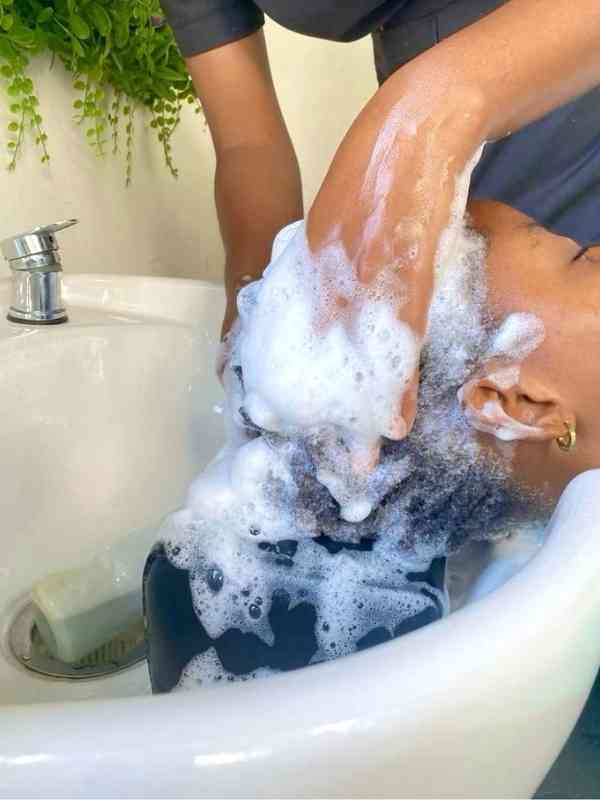
Alternative Method: Washing Without a Cap
If your starter locs are two-strand twists or braids, you may be able to wash without a stocking cap.
Just be extra careful:
- Keep water pressure low
- Avoid over-handling your locs
- Focus only on your scalp
- Be gentle while rinsing
This method works best for tighter hair textures that hold their pattern well.
If you notice too much unraveling afterward, switch back to the stocking cap method next time.
How to Dry Starter Locs Properly
A lot of people focus only on washing, but drying is just as important.
If your locs stay damp for too long, it can lead to odor or mildew—and that’s the last thing you want.
Option 1 – Hooded Dryer (Best Option)
Using a hooded dryer is the safest and most effective way to dry your starter locs.
It allows your hair to dry evenly and completely, especially at the roots where moisture tends to hide.
This helps:
- Prevent that damp, musty smell
- Keep your scalp healthy
- Reduce the chances of buildup forming.
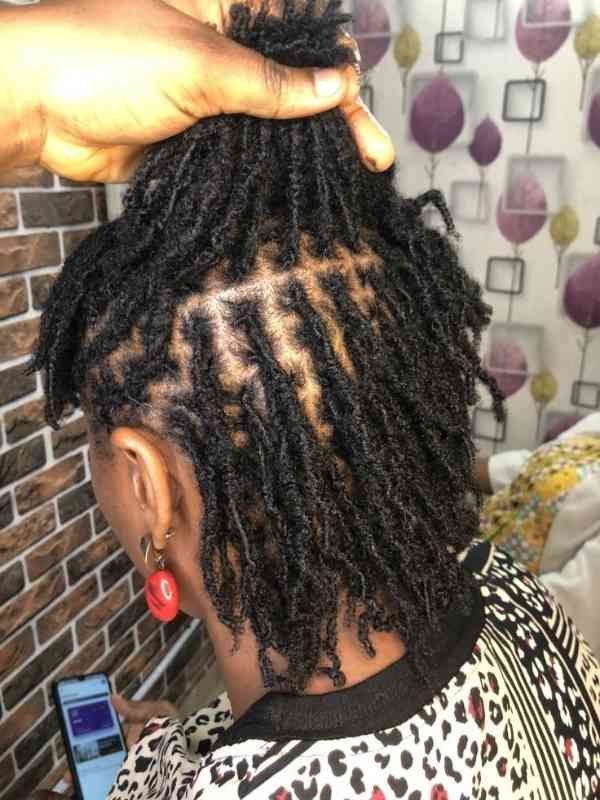
Option 2 – Air Drying
Air drying works, but it requires a bit more patience and care.
If you choose this method, keep these tips in mind:
- Make sure your locs are properly separated
- Avoid tying or covering them while wet
- Stay in a well-ventilated area
- Never go to bed with wet locs
Starter locs can hold moisture inside, and when they don’t dry properly, it can lead to a mildew smell that’s hard to get rid of later.
Always make sure your locs are completely dry before styling, covering, or heading out.
What to Avoid When for Easy Guide to Washing Starter Locs
If you want your locs to form properly and stay neat, there are a few things you should avoid especially in the early stages.
1. Heavy Conditioners
Conditioners may be great for loose natural hair, but they’re not ideal for starter locs.
Most conditioners are designed to soften and smooth the hair, which makes strands slippery and easier to detangle. But locs actually need the opposite—a bit of texture and friction to lock properly.
Using heavy conditioners too early can:
- Loosen your coils or twists
- Slow down the locking process
- Make retwists less effective
- Cause unraveling at the roots or ends
During the starter phase, it’s best to skip conditioners completely for the first few months.
If your hair feels dry, go for a light, water-based leave-in spray or natural oils instead of thick, creamy products.
Once your locs are more mature, you can slowly introduce lightweight, residue-free conditioners if needed.
2. Creamy, Moisturizing Shampoos
Not every shampoo is loc-friendly—and this is where many people get it wrong.
Thick, creamy shampoos often contain butters, silicones, and heavy conditioning agents that coat the hair. While that works for loose hair, it can cause serious buildup in locs.
Because locs are dense, residue can get trapped inside and become difficult to remove.
Over time, this can lead to:
- Heavy, weighed-down locs
- Itchy or irritated scalp
- Unpleasant odors
- Dull, lifeless-looking hair
Instead, stick to a clarifying or residue-free shampoo. It will clean your scalp properly without leaving anything behind.
3. Aggressive Scrubbing
It’s tempting to scrub your scalp hard—especially if you’re used to washing loose natural hair—but this can do more harm than good.
- Rough handling can:
- Mess up your clean parts
- Create frizz
- Loosen freshly retwisted roots
- Cause unraveling
Instead, keep it gentle:
Use the pads of your fingers and massage your scalp lightly. Focus on cleaning your scalp—not roughing up your locs.
If you’re still worried about unraveling, the stocking cap method is always a safe option.
4. Towel Rubbing
Rubbing your hair with a towel might feel normal, but with starter locs, it’s a bad habit.
Towel friction can:
- Create excess frizz
- Disturb your loc pattern
- Weaken your locs over time
- Slow down the locking process
Starter locs are still forming, so they need to be handled carefully.
Instead:
- Gently squeeze out excess water
- Use a microfiber towel or cotton T-shirt
- Pat dry, don’t rub
5. Over-washing
Yes, clean hair is important, but washing too often can actually slow down your progress.
Starter locs need time to hold their shape and form knots. Washing them too frequently can keep resetting that process.
Over-washing can:
- Increase frizz
- Loosen coils or twists
- Slow down locking
- Lead to dryness if not properly moisturized
For most people, washing every 2–4 weeks is enough in the beginning.
If you sweat a lot or have an oily scalp, you can adjust slightly but balance is key.
As your locs mature, they’ll become stronger and better able to handle more frequent washing without unraveling.
FAQs About Easy Guide to Washing Starter Locs Without Frizz or Unraveling
1. How often should I wash starter locs?
To begin with, washing every 2–4 weeks is generally recommended. However, this can vary depending on your lifestyle and scalp needs, so it’s important to find a routine that keeps your hair clean without causing unnecessary unraveling.
2. Will washing my starter locs make them unravel?
In some cases, yes—especially in the early stages. Even so, using gentle techniques like low water pressure and focusing on the scalp can help reduce unraveling significantly.
3. What is the best way to prevent frizz while washing?
At the same time, keeping your movements minimal makes a big difference. By avoiding rough scrubbing and instead using a light, downward motion, you help maintain the structure of your locs.
4. Should I use a stocking cap when washing starter locs?
In addition, many people find that using a stocking cap helps hold the locs in place. This method can be especially helpful during the early stages when the hair is more prone to loosening.
5. What products are safe for starter locs?
Generally, lightweight and residue-free shampoos work best. As a result, they cleanse the scalp without leaving buildup that could affect the locking process.
Conclusion
In the end of this Easy Guide to Washing Starter Locs Without Frizz or Unraveling, caring for starter locs is as much about patience as it is about technique. While it may feel delicate at first, each wash is part of the journey that helps your locs mature and take shape over time.
At the same time, it’s important to approach the process gently, allowing your hair to adjust without forcing it into place. Even if a little frizz or slight unraveling happens along the way, it’s completely normal and part of the growth process.
So rather than aiming for perfection, focus on consistency and care. With time, your locs will settle, strengthen, and reflect the effort you’ve put into maintaining them—naturally and beautifully.