15 Fun Sensory Activities for Toddlers (Easy & Engaging)
This Post Will Show You 15 Fun Sensory Activities for Toddlers (Easy & Engaging).
A quiet afternoon with a toddler rarely stays quiet for long. One moment your little one is stacking blocks peacefully, and the next moment they are dipping their hands into your flour container, squeezing toothpaste onto the bathroom sink, or splashing water across the kitchen floor like it is the most exciting discovery in the world. Toddlers are naturally curious, and honestly, that curiosity is part of what makes these early years feel so unforgettable.
During one particularly long afternoon in my home, I watched a toddler become completely fascinated with a bowl of rice and a measuring cup for almost thirty minutes. No expensive toy. No noisy gadget. Just tiny hands scooping, pouring, and giggling with pure excitement. That was the moment I realized sensory play is not only entertaining for toddlers, but also deeply comforting and educational.
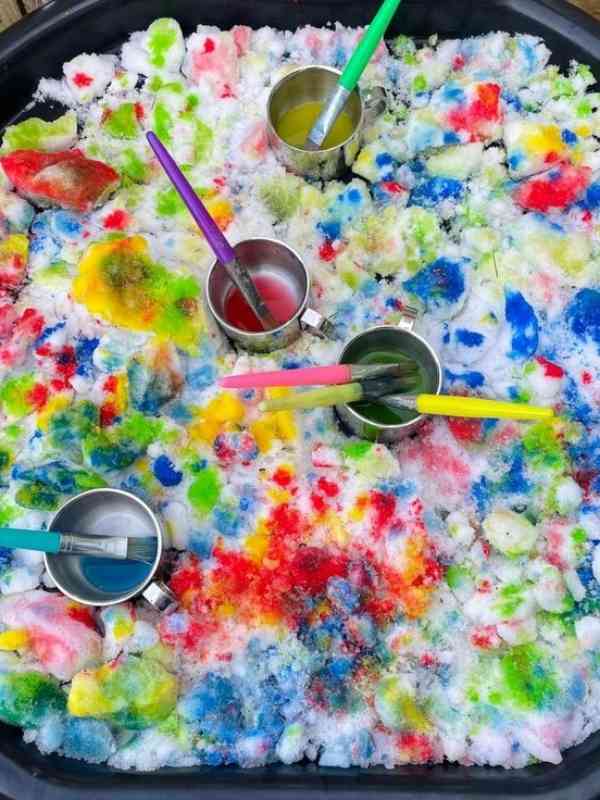
Sensory activities help toddlers explore the world using touch, smell, sight, sound, and movement. At the same time, these simple 15 Fun Sensory activities encourage creativity, improve fine motor skills, support language development, and create beautiful bonding moments between parents and children.
If your days have been feeling long lately or you simply want easy ways to keep your toddler engaged without relying heavily on screens, these 15 fun sensory activities for toddlers may become some of your favorite go-to ideas.
Below are 15 Fun Sensory Activities for Toddlers (Easy & Engaging):
Check out 15 Fun Spring Activities For Family And Friends
15 Fun Easter Egg Hunt Ideas for Kids at Home
20 Best Toddler Easter Baskets Ideas For 1-3 Year Olds
15 Fun Sensory Activities for Toddlers (Easy & Engaging)
1. Rainbow Rice Sensory Bin for Colorful Scooping and Pouring Fun
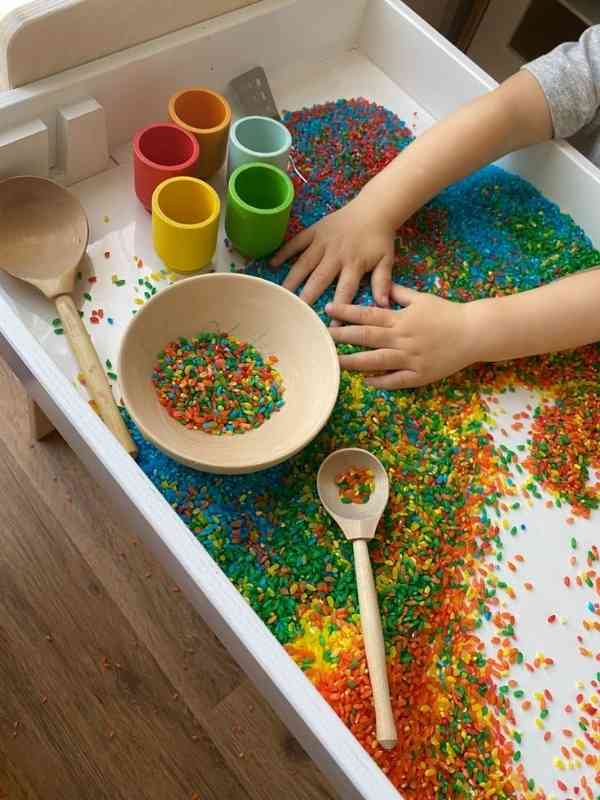
Few things capture a toddler’s attention faster than bright colors and the freedom to make a harmless mess. A rainbow rice sensory bin is one of those activities that feels surprisingly magical because toddlers become completely absorbed in the process of touching, scooping, pouring, and exploring every little texture inside the container.
The first time I tried this activity, I honestly expected only ten minutes of attention before boredom kicked in. Instead, tiny hands stayed busy for nearly an hour moving rice from one cup to another with complete concentration. It became one of those peaceful parenting moments where the house suddenly felt calm for a little while.
To create rainbow rice, divide uncooked rice into separate zip bags and add a few drops of food coloring with a teaspoon of vinegar. Shake everything together until the rice becomes evenly coated. Afterward, spread the rice on a tray to dry before mixing all the colors into one large container.
Once your sensory bin is ready, add simple tools your toddler can use safely. Measuring cups, spoons, toy animals, mini bowls, funnels, and plastic containers all work beautifully. Even empty yogurt cups can suddenly become exciting treasures during sensory play.
What makes this activity especially wonderful is how many developmental skills toddlers practice naturally without realizing it. Scooping rice strengthens hand muscles that later help with writing. Pouring improves coordination and focus. Meanwhile, describing colors and textures encourages language growth.
In addition, rainbow rice sensory bins can easily be adapted for different themes throughout the year. During spring, you can hide fake flowers or pastel objects inside the rice. Around Christmas, adding red and green rice with tiny ornaments creates a festive sensory experience. During autumn, small pumpkins and leaves instantly make the activity feel cozy and seasonal.
2. Warm Bubble Foam Sensory Play That Turns Bath Time Into Learning Time
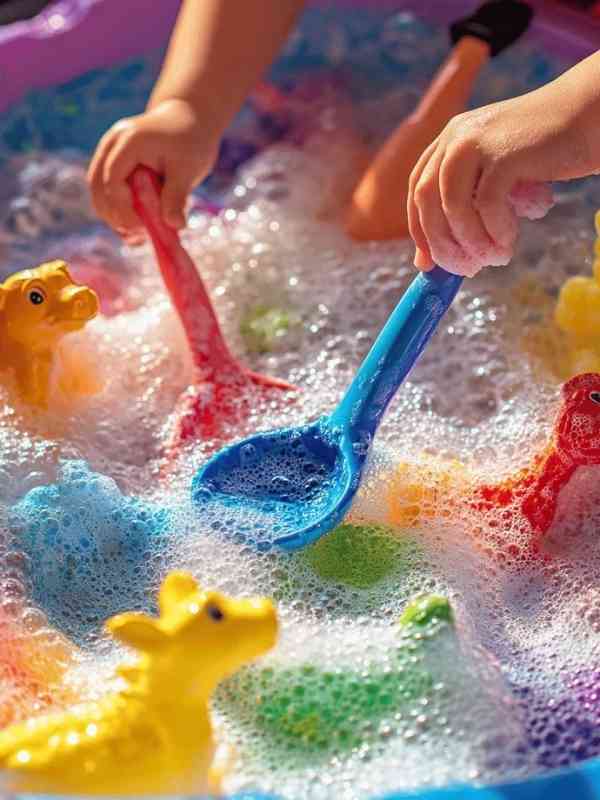
Toddlers already love bubbles, but fluffy bubble foam takes ordinary sensory play to another level entirely. The soft texture, warm temperature, and playful movement make this activity incredibly engaging, especially on slow afternoons when everyone feels restless indoors.
One rainy evening, I filled a shallow container with homemade foam while dinner cooked nearby. Within minutes, little fingers were swirling bubbles, making imaginary cupcakes, and laughing at foam “mountains” collapsing into tiny puddles. It turned a cranky evening into a surprisingly sweet memory.
Making sensory foam at home is simple. All you need is water, baby-safe soap or tear-free bubble bath, and a blender or hand mixer. Blend the mixture until thick foam forms, then transfer it into a tray or plastic bin.
For added excitement, you can include:
* Silicone kitchen tools
* Plastic animals
* Toy cars
* Measuring spoons
* Mini cups
* Floating bath toys
Toddlers enjoy squeezing, patting, and scooping the foam while exploring how the texture changes over time. Some children love making shapes. Others become fascinated with watching bubbles disappear slowly.
Sensory activities like this are especially useful for toddlers who seek tactile stimulation. The softness of the foam can feel calming while still encouraging active play.
Another reason parents often love this activity is because cleanup feels easier than expected. Since the foam dissolves naturally, wiping the area afterward usually takes only a few minutes.
Meanwhile, this 15 fun sensory activities experience creates opportunities for meaningful conversation. You can talk about textures using words like soft, fluffy, slippery, wet, and cold. You can also count scoops, identify colors, or create simple imaginative stories together.
Although sensory play sometimes looks messy from the outside, moments like these often become the heart of childhood memories. The laughter, curiosity, and freedom toddlers experience matter far more than a little foam on the kitchen floor.
3. Frozen Toy Rescue Activity That Keeps Curious Toddlers Focused for Longer
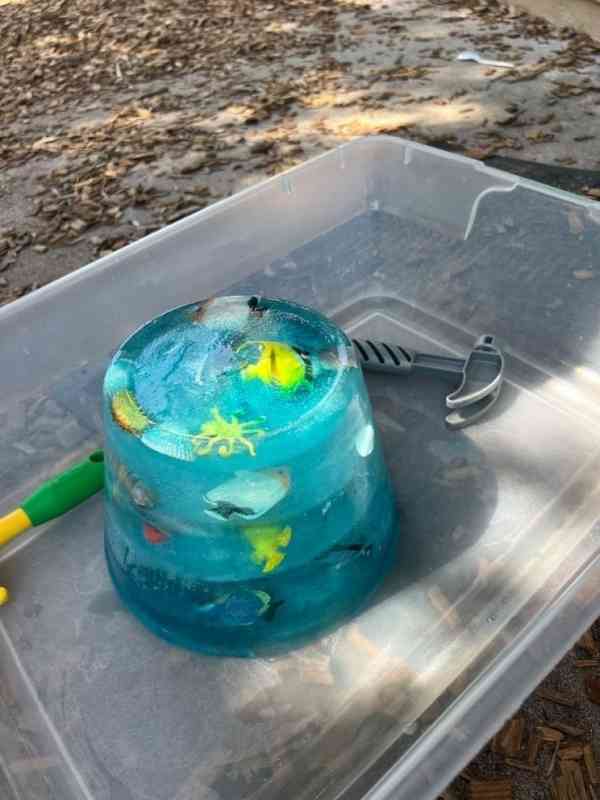
Little ones become deeply fascinated by anything that feels mysterious or slightly challenging. Frozen toy rescue combines sensory exploration with problem-solving in a way that feels exciting from beginning to end.
To prepare this activity, place small toys inside a bowl or container filled with water and freeze overnight. Tiny dinosaurs, plastic animals, blocks, or bath toys work especially well.
The next day, place the frozen block into a tray and give your toddler safe tools for exploration. Warm water, squeeze bottles, plastic spoons, small cups, and toy hammers can all help melt the ice gradually.
At first glance, this activity seems incredibly simple. However, toddlers often stay engaged much longer than expected because they become determined to “save” the trapped toys.
One little toddler I watched spent nearly forty minutes slowly pouring warm water over a frozen dinosaur while cheering every time a tiny piece became visible. The excitement built slowly, which made the activity surprisingly calming instead of overstimulating.
Frozen sensory play also introduces toddlers to early science concepts naturally. They begin noticing temperature changes, melting patterns, and cause-and-effect relationships without formal teaching.
During warmer months, frozen sensory activities can also help toddlers cool down outdoors. Setting up the activity outside on a patio or grassy area makes cleanup easier while adding fresh air to the experience.
Furthermore, parents can personalize the activity based on current interests. If your toddler loves ocean animals, freeze sea creatures inside blue-tinted ice. If construction vehicles are the favorite obsession of the week, freeze tiny trucks and diggers instead.
Because toddlers naturally love discovery, frozen toy rescue often feels less like structured learning and more like a fun adventure unfolding slowly in front of them.
4. Homemade Playdough Exploration for Creative and Calming Sensory Play
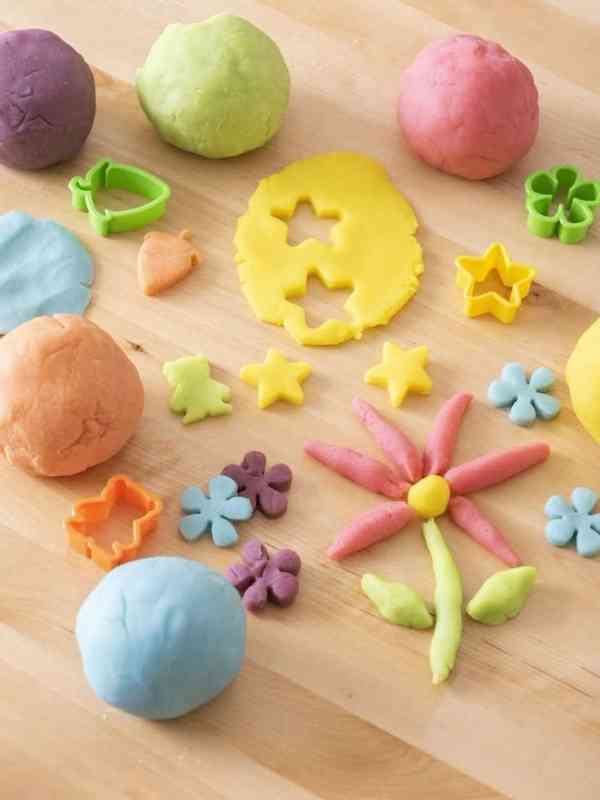
Soft homemade playdough has a comforting quality that instantly draws toddlers in. The squishing, rolling, pinching, and shaping provide both sensory stimulation and emotional calmness at the same time.
Some afternoons feel endless when toddlers are overwhelmed, clingy, or easily frustrated. During those moments, setting out homemade playdough can completely shift the atmosphere of the room. Little hands become busy. Tiny minds focus. The emotional energy softens.
Making playdough at home is inexpensive and surprisingly easy. Flour, salt, water, oil, cream of tartar, and food coloring create a soft dough that lasts for weeks when stored properly.
The best part is how flexible this activity becomes. Toddlers can:
* Roll snakes and balls
* Press cookie cutters into dough
* Hide beads or buttons
* Use toy utensils
* Create pretend food
* Stamp letters or shapes
Meanwhile, sensory-rich scents can make the activity even more engaging. Adding cinnamon, vanilla, peppermint, or lavender creates a gentle smell toddlers often love.
What stands out most about playdough activities is how naturally they encourage independent creativity. Unlike toys with fixed purposes, playdough invites toddlers to imagine freely.
One child may spend twenty minutes making pretend cupcakes while another quietly presses tiny fingerprints into the dough over and over again. Both experiences support sensory development beautifully.
Playdough also strengthens fine motor skills significantly. Pinching, squeezing, and rolling all help build hand strength needed later for writing, buttoning clothes, and using scissors.
At the same time, parents can join the activity in simple ways without turning it into a lesson. Sitting beside your toddler and creating silly shapes together often becomes one of the sweetest bonding moments of the day.
5. Water Pouring Stations That Keep Toddlers Busy in the Simplest Way
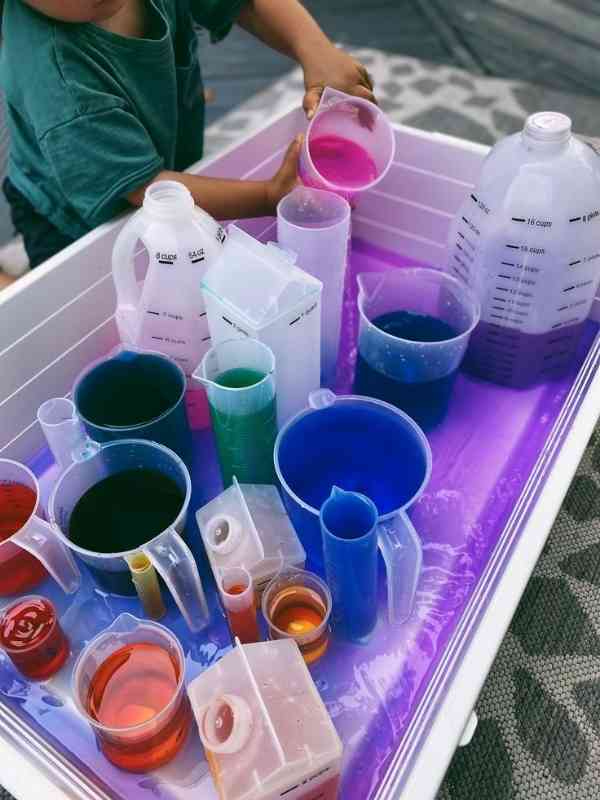
Sometimes the activities toddlers enjoy most are the ones adults overlook completely. Water pouring stations are proof that simple sensory play can feel endlessly exciting.
A few plastic containers, measuring cups, spoons, funnels, and warm water can keep toddlers entertained far longer than many electronic toys.
One sunny afternoon, I filled a shallow basin with water and placed random kitchen items nearby without much planning. Within minutes, a toddler became completely focused on transferring water from one container to another with serious concentration. The activity looked simple, yet the joy was unmistakable.
Water play supports coordination, focus, and sensory exploration all at once. Toddlers learn how different containers hold different amounts while practicing careful hand movements naturally.
For extra engagement, you can add:
* Floating pom-poms
* Ice cubes
* Lemon slices
* Small bath toys
* Plastic animals
* Colored cups
Additionally, outdoor water stations become especially helpful during hot weather when toddlers feel energetic but easily frustrated indoors.
The soothing nature of water often has a calming effect too. Many toddlers become quieter and more focused while splashing, pouring, and observing movement.
Another beautiful part of sensory water play is how it encourages patience. Toddlers begin experimenting slowly, watching what happens when water moves through funnels or overflows from cups.
Although spills are unavoidable, keeping towels nearby helps reduce stress. Over time, many parents realize the temporary mess is worth the peaceful engagement sensory play creates.
6. Taste-Safe Yogurt Painting for Creative Sensory Exploration
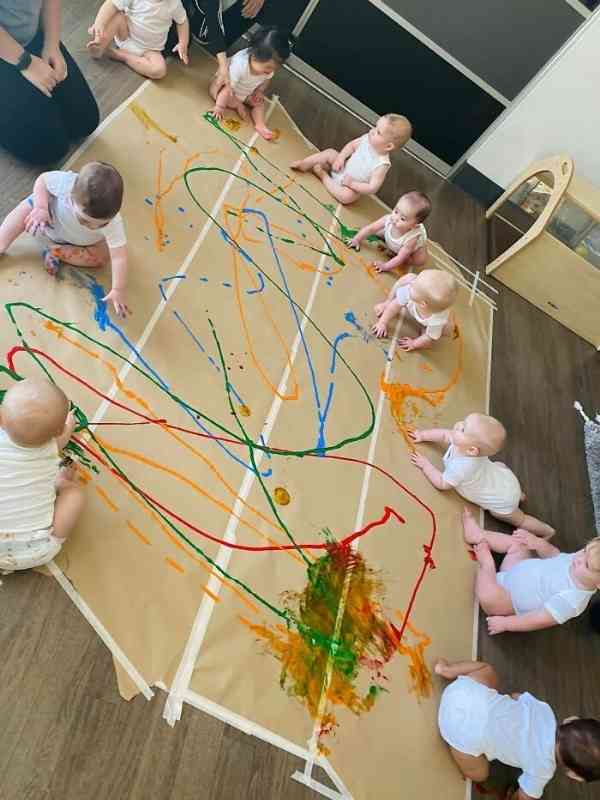
Young children love exploring with their hands, especially when colors and textures are involved. However, many traditional paints can feel stressful for parents because younger toddlers still explore the world by tasting things occasionally.
Taste-safe yogurt painting removes much of that worry while still allowing creativity to flourish.
To create edible paint, mix plain yogurt with a few drops of food coloring in separate bowls. The result becomes thick, creamy paint toddlers can safely explore using fingers, brushes, or even toy utensils.
The first time I introduced yogurt painting, the excitement was immediate. Tiny fingers swirled colors together while giggles filled the table. Some paint ended up on the paper, some on cheeks, and honestly, some everywhere else too.
Yet moments like that often become the memories parents treasure later.
Sensory painting activities encourage self-expression while strengthening fine motor coordination. Toddlers practice spreading, tapping, and swirling movements naturally.
In addition, this activity introduces sensory contrast because toddlers experience cool textures, vibrant colors, and different movements simultaneously.
Parents can also use yogurt painting for seasonal creativity:
* Orange and black for Halloween
* Pastel colors during spring
* Red and green around Christmas
* Blue ocean themes during summer
Because the paint is edible, younger toddlers can explore more freely without constant interruption. That freedom often leads to deeper concentration and happier play experiences.
7. Nature Sensory Walks That Turn Ordinary Days Into Tiny Adventures
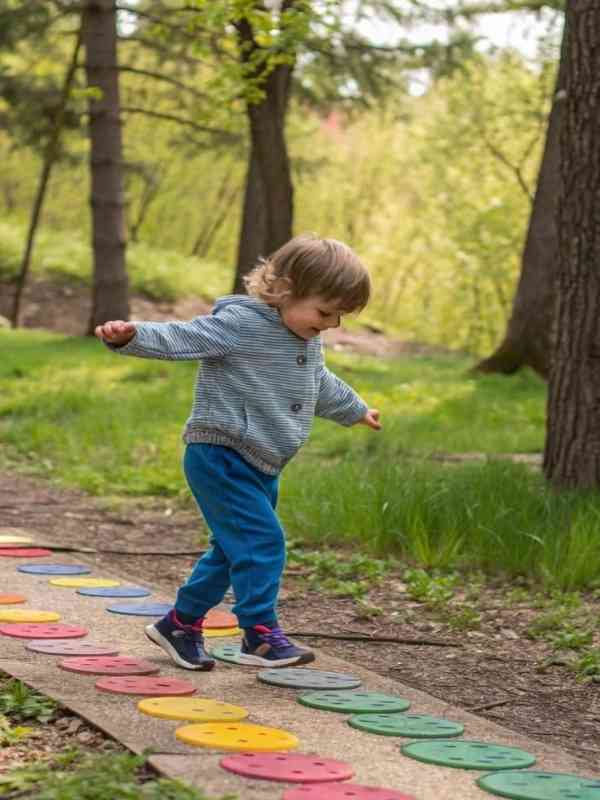
Not every sensory activity needs bins, supplies, or elaborate preparation. Some of the best sensory experiences happen outdoors during slow walks filled with curiosity.
Toddlers notice details adults often rush past completely. Tiny leaves, rough tree bark, puddles, flower petals, and crunchy grass all become fascinating sensory discoveries.
One quiet evening walk turned into nearly an hour because a toddler became completely amazed by the sound dry leaves made under tiny shoes. Every step brought laughter and repeated stomping across the sidewalk.
Nature sensory walks encourage toddlers to explore the world using all their senses.
They can:
* Feel rough and smooth textures
* Smell flowers or fresh grass
* Listen to birds and wind
* Watch moving clouds
* Jump into puddles
* Collect safe natural treasures
Additionally, outdoor sensory experiences help toddlers release energy while supporting emotional regulation. Fresh air and movement often improve moods naturally.
Parents can gently guide the experience by asking simple questions like:
* “Does this leaf feel soft or rough?”
* “Can you hear the birds?”
* “What color is this flower?”
Still, the goal is not to create a formal lesson. The beauty of sensory walks comes from slow exploration and shared moments together.
In a world that often feels rushed, allowing toddlers time to stop and truly notice small things can feel surprisingly grounding for parents too.
8. Oatmeal Sensory Bins for Soft and Cozy Play Experiences
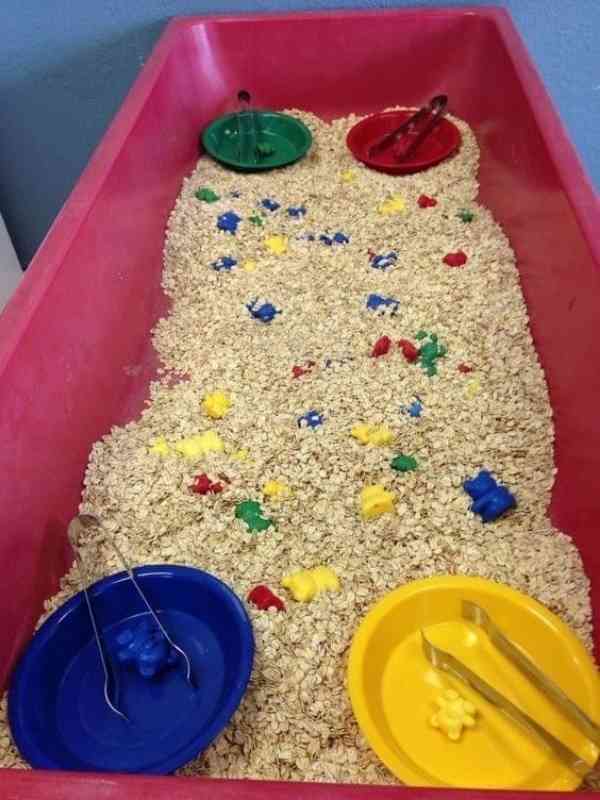
Oatmeal sensory bins create a calming texture toddlers often enjoy immediately. The soft feeling of oats sliding through little fingers provides a soothing sensory experience while still encouraging active play.
During colder months especially, oatmeal sensory play feels cozy and comforting indoors.
To set up the activity, pour uncooked oats into a shallow bin and include simple tools like:
* Scoops
* Cups
* Funnels
* Wooden spoons
* Plastic animals
* Silicone muffin liners
Toddlers can scoop, pour, bury objects, and create pretend meals while exploring texture and movement.
One toddler spent nearly an hour pretending to cook oatmeal breakfast for stuffed animals using tiny cups and spoons. The imaginative element made the sensory experience even richer.
Unlike louder activities, oatmeal sensory bins often encourage quieter concentration. The soft sound and gentle texture create a peaceful atmosphere that feels relaxing rather than overstimulating.
Parents who feel nervous about messy sensory play usually appreciate that oats are relatively easy to clean up compared to glitter or slime.
Meanwhile, toddlers gain important developmental benefits including hand coordination, focus, and tactile exploration.
Adding cinnamon sticks, measuring tools, or fall-themed objects can also make the activity feel seasonal and visually inviting.
9. Ice and Lemon Water Play for Refreshing Summer Sensory Fun
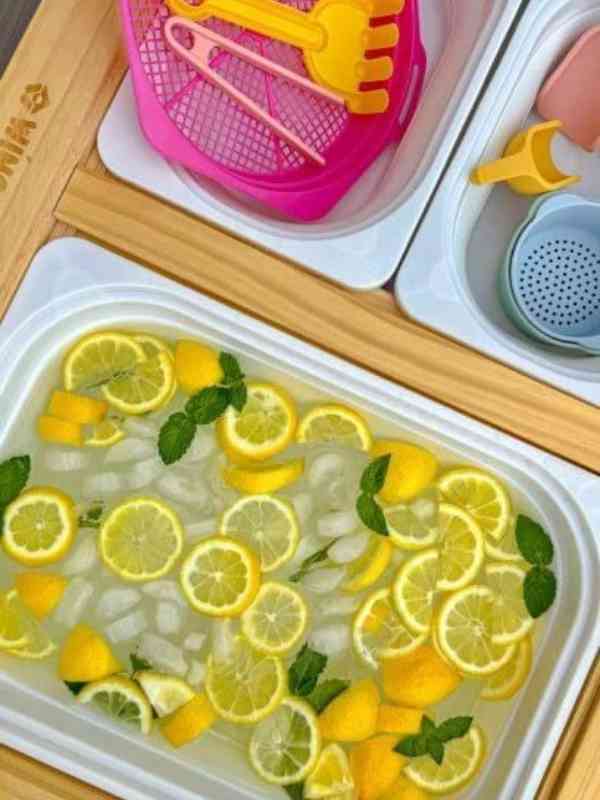
Hot afternoons with toddlers can feel especially long when everyone becomes restless indoors. Ice and lemon water sensory play offers a refreshing activity that feels exciting, cooling, and surprisingly educational.
Fill a large container with water, floating lemon slices, and ice cubes. Then add cups, spoons, and small strainers for exploration.
Toddlers quickly become fascinated by:
* Floating lemons
* Slippery textures
* Melting ice
* Cold temperatures
* Splashing sounds
One little child spent nearly thirty minutes transferring lemon slices between bowls while repeatedly touching the ice with delighted surprise.
This activity stimulates multiple senses at once. Toddlers experience scent, texture, temperature, movement, and sound during play.
At the same time, sensory water activities naturally support language development. Parents can introduce descriptive words like cold, slippery, sour, floating, melting, and smooth.
Because the setup feels visually beautiful too, it often creates a calm atmosphere parents enjoy alongside their toddlers.
Simple activities like this remind us that meaningful childhood experiences do not need expensive toys or complicated planning.
10. Dry Pasta Sensory Play for Fine Motor Practice and Creativity
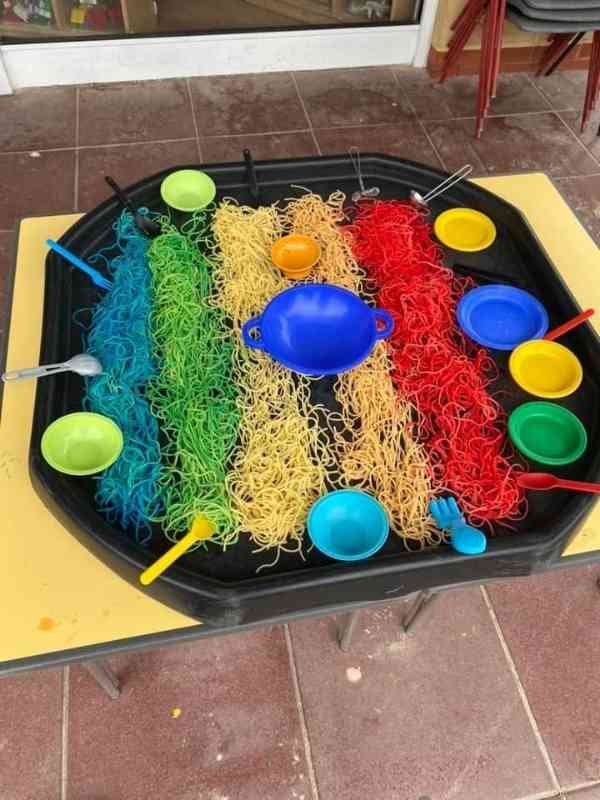
Dry pasta may seem ordinary sitting inside a kitchen cabinet, yet for toddlers, it can become a fascinating sensory material full of possibilities.
Different pasta shapes create different textures and sounds, which makes sensory exploration feel exciting and varied.
To create a pasta sensory station, combine several pasta types inside a container. Large shells, penne, spirals, and bow ties work especially well because toddlers notice the differences immediately.
Afterward, provide scoops, bowls, spoons, or muffin tins for sorting and pouring.
Some toddlers enjoy making pretend meals while others focus entirely on moving pasta between containers with careful concentration.
One afternoon, a toddler sat quietly dropping pasta pieces into metal bowls simply because the clinking sound felt entertaining. That tiny moment reminded me how sensory play allows children to explore the world in ways adults often overlook.
Dry pasta sensory activities help strengthen:
* Fine motor skills
* Hand-eye coordination
* Sorting abilities
* Focus
* Creativity
Additionally, parents can dye pasta using food coloring to create bright visual experiences toddlers find even more exciting.
This activity works especially well during independent play because toddlers often remain deeply engaged while experimenting with movement and sound.
11. Shaving Cream Window Play for Messy but Memorable Fun
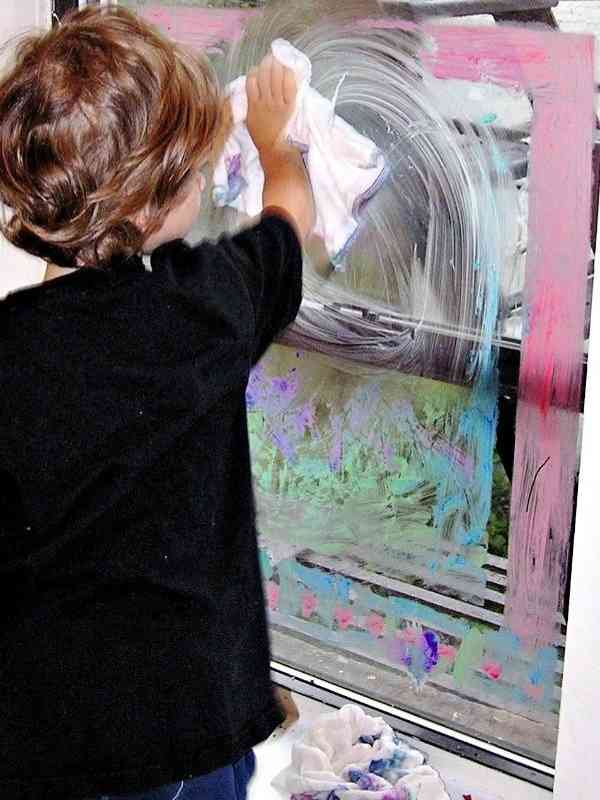
A little messy play can completely transform an ordinary afternoon into something joyful and memorable. Shaving cream window play is one of those sensory activities toddlers usually adore because it feels unexpected and exciting.
Simply spray shaving cream onto a glass door, table, or tray and allow your toddler to spread it using fingers and hands.
At first, the texture may feel surprising. Then suddenly, toddlers begin drawing shapes, making swirls, and covering every available space with happy enthusiasm.
One toddler spent nearly an hour making circles and handprints across a patio door while laughing every time the foam slid downward.
This activity encourages:
* Sensory exploration
* Hand movement practice
* Creativity
* Visual tracking
* Emotional release
Furthermore, the smooth texture can feel calming for toddlers who enjoy tactile stimulation.
Although messy play sometimes feels intimidating for parents, these experiences often create the loudest laughter and happiest memories.
For younger toddlers, taste-safe alternatives like whipped cream may feel more comfortable.
Meanwhile, cleanup usually becomes easier than expected because shaving cream wipes away quickly from smooth surfaces.
12. Mud Kitchen Pretend Play That Feels Wild and Wonderfully Free
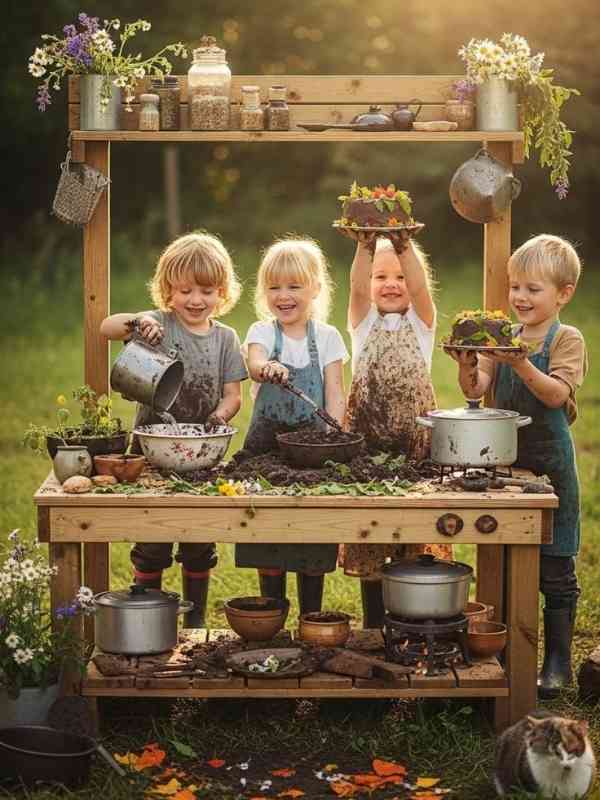
Outdoor mud play carries a kind of childhood magic that never really fades. Toddlers naturally love mixing, scooping, pouring, and pretending, which makes mud kitchens incredibly engaging sensory experiences.
You do not need an elaborate setup either. A few old bowls, spoons, pots, water, and dirt can create endless entertainment.
One toddler happily “cooked soup” using leaves, water, and mud for nearly an hour while explaining every ingredient with complete seriousness.
Mud sensory play supports:
* Creativity
* Imaginative storytelling
* Tactile exploration
* Fine motor development
* Outdoor movement
Additionally, playing outdoors often helps toddlers feel calmer and more emotionally balanced.
Parents sometimes hesitate because of the mess involved. However, childhood rarely stays perfectly clean anyway. Some of the sweetest memories come from muddy shoes, messy hands, and loud outdoor laughter.
15 fun Sensory activities with mud play also encourages confidence because toddlers make independent choices while experimenting freely.
Meanwhile, natural textures provide sensory experiences screens simply cannot replace.
13. Pom-Pom Rescue Activities for Concentration and Coordination
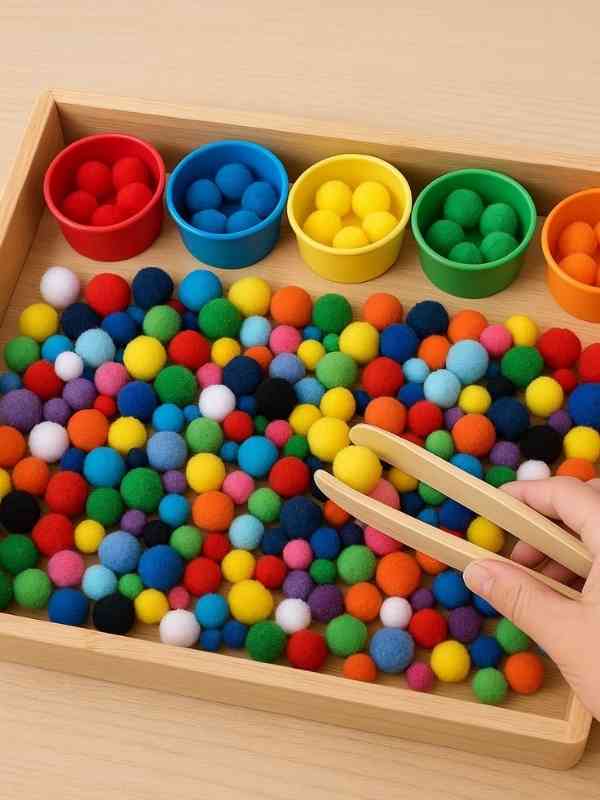
Kids love challenges that feel achievable but still exciting. Pom-pom rescue activities combine sensory play with problem-solving in a simple yet highly engaging way.
To set up the activity, place colorful pom-poms inside containers, muffin tins, or taped areas. Then give your toddler child-safe tongs, spoons, or scoops to “rescue” them.q
Bright colors immediately capture attention while the process of transferring pom-poms strengthens coordination naturally.
One toddler became incredibly determined to move every single pom-pom into matching bowls without dropping them. The concentration on that tiny face was honestly adorable.
This activity supports:
* Fine motor development
* Color recognition
* Focus
* Patience
* Hand strength
At the same time, the soft texture of pom-poms provides gentle tactile stimulation toddlers often enjoy.
For extra fun, parents can create themed versions:
* Rainbow sorting
* Animal rescue bins
* Holiday color matching
* Water bead alternatives
Because the setup requires minimal preparation, pom-pom rescue activities work beautifully for busy afternoons when parents need quick engagement ideas.
14. Scented Sensory Bags for No-Mess Exploration at Home
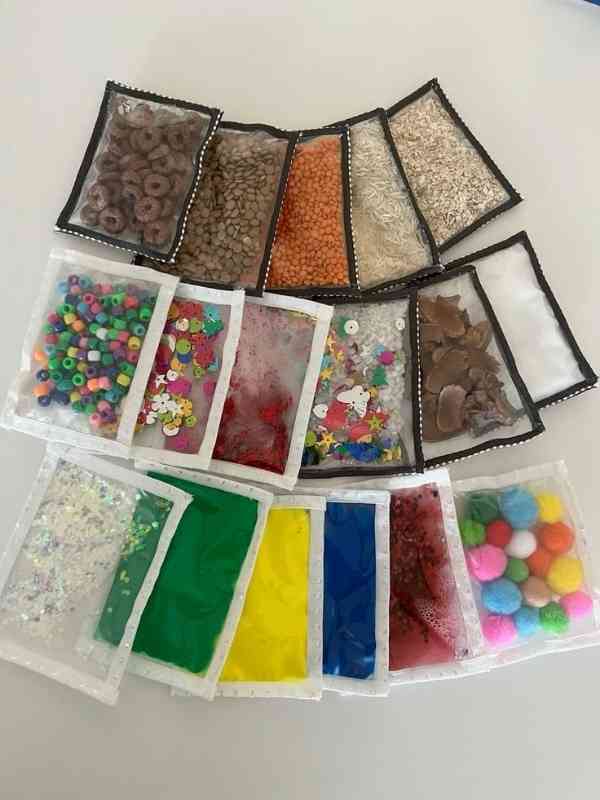
Not every parent feels ready for messy sensory bins spread across the living room floor. Scented sensory bags offer a cleaner alternative while still giving toddlers exciting sensory experiences.
To make one, fill a sealed zip bag with gel, hair gel, paint, glitter, beads, or scented materials like lavender or vanilla extract. Once taped securely to a table or floor, toddlers can squish, press, and move the contents safely.
One child spent nearly forty-five minutes tracing shapes through a lavender sensory bag while quietly talking about the colors inside.
Sensory bags work especially well for:
* Calm playtime
* Travel activities
* Quiet afternoons
* Sensory-sensitive toddlers
* Indoor rainy days
Additionally, scented sensory experiences introduce another layer of exploration many toddlers find fascinating.
Parents can create seasonal versions too:
* Peppermint during Christmas
* Lemon during summer
* Cinnamon during fall
* Floral scents during spring
Because the bags stay sealed, cleanup feels wonderfully manageable while toddlers still enjoy rich sensory stimulation.
15. Homemade Edible Sand Sensory Play for Safe and Engaging Exploration
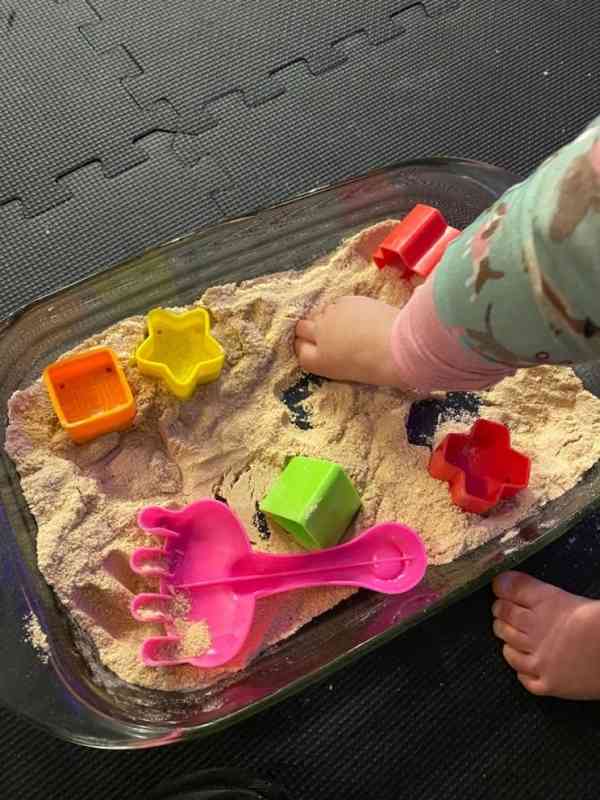
Edible sensory play becomes especially useful during the toddler years because younger children still love tasting the world around them.
Homemade edible sand provides a safe texture toddlers can scoop, dig, and explore freely.
Crushed cereal, graham crackers, or blended oats can create soft “sand” perfect for sensory bins.
Add toy shovels, cups, spoons, and small animals to encourage imaginative play.
One toddler spent nearly an hour burying tiny toy dinosaurs inside edible sand before proudly digging them out again and again.
The texture feels different from rice, oats, or water, which gives toddlers another valuable sensory experience.
At the same time, edible sensory bins help parents relax slightly because accidental tasting feels less stressful.
This activity encourages:
* Sensory development
* Pretend play
* Fine motor practice
* Creative exploration
* Independent play skills
Meanwhile, toddlers often stay engaged longer because the texture feels both fun and familiar.
These 15 fun sensory activities moments like these may seem small in the middle of busy parenting days. Yet they often become the memories children carry quietly for years.
FAQs About 15 Fun Sensory Activities for Toddlers
1. What are these 15 fun sensory activities for toddlers?
Sensory activities are play experiences that help toddlers explore using their senses including touch, sight, smell, hearing, and movement. These activities support learning, creativity, and emotional development.
2. Why is sensory play important for toddlers?
Sensory play helps toddlers build fine motor skills, language abilities, coordination, creativity, focus, and problem-solving skills while encouraging healthy brain development.
3. How often should toddlers do sensory activities?
Toddlers can enjoy sensory activities daily, even for short periods. Simple sensory play sessions of 15 to 30 minutes can provide meaningful developmental benefits.
4. What are easy sensory activities for toddlers at home?
Easy sensory activities include water play, rainbow rice bins, homemade playdough, yogurt painting, oatmeal bins, bubble foam, and nature walks.
5. Are sensory bins safe for toddlers?**
Sensory bins can be safe with proper supervision. Parents should always choose age-appropriate materials and monitor toddlers closely, especially children who still place objects in their mouths.
6. What materials can I use for sensory play?**
Common sensory play materials include rice, oats, pasta, water, foam, playdough, pom-poms, ice, sand, yogurt, and natural outdoor items like leaves or flowers.
7. Can sensory activities calm toddlers?
Yes, many sensory activities help toddlers feel calmer and more regulated because repetitive movements and tactile experiences often feel soothing and comforting.
8. Do sensory activities help learning?
Absolutely. Sensory play supports early learning by encouraging curiosity, exploration, communication, coordination, and problem-solving in a hands-on way.
Conclusion
These 15 Fun Sensory Activities allows Toddlers learn best when they are allowed to explore, touch, move, scoop, pour, squish, and discover the world around them naturally. Sensory activities may look simple on the surface, yet they support emotional growth, creativity, language development, focus, and fine motor skills in beautiful ways.
More importantly, these little moments create connection. Sitting beside your toddler while they stir mud soup, scoop rainbow rice, or splash lemon water may not feel extraordinary in the moment. However, those ordinary afternoons often become the memories that stay in your heart the longest.
Parenting toddlers can feel exhausting sometimes, especially during long days indoors. Still, sensory play offers a gentle reminder that meaningful childhood experiences do not have to be expensive or complicated.
A container of rice, a bowl of water, or a little homemade playdough can turn an ordinary day into something playful, calming, and deeply memorable.
So the next time your toddler seems restless, clingy, or endlessly curious, try one of these sensory activities and allow the moment to unfold slowly. You may be surprised how much joy can grow from the simplest things.
Check out our:
40 Stunning DIY Flower Bar Ideas for Weddings, Parties and Events
40 Creative Book Centerpiece Ideas for Weddings, Parties and Home Decor
25 Gorgeous Prom Photo Ideas You’ll Want to Recreate
Patriotic Table Decor and Backdrop Ideas for 4th of July
15 Cute Spring Picnic Ideas for a Romantic & Aesthetic Setup