10 DIY Vent Hood Cover Ideas for a Beautiful Kitchen Upgrade
This Post Will Show You 10 DIY Vent Hood Cover Ideas for a Beautiful Kitchen Upgrade.
A kitchen slowly becomes the heart of a home in the quietest ways. It’s where conversations linger a little longer, where evening meals turn into memories, and where even ordinary mornings begin to feel familiar and comforting. Because of that, the details inside a kitchen matter more than we often realize. One overlooked feature can subtly affect the entire atmosphere of the space.
Vent hoods are one of those details. Functional, yes but sometimes visually disconnected from the warmth we want our kitchens to hold. A plain stainless steel hood or bulky microwave vent can interrupt the softness of an otherwise beautiful room. That’s why these 10 DIY vent hood covers have become such a loved kitchen upgrade. They blend practicality with personality while creating a more finished, intentional look.
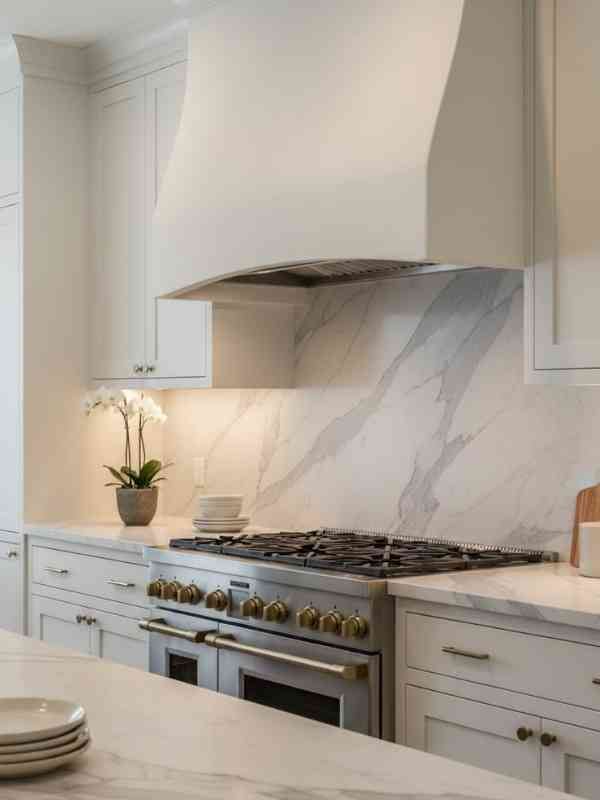
The beauty of these ideas is that they don’t require a complete renovation to make a noticeable difference. A thoughtfully designed vent hood cover can instantly add charm, texture, and warmth to your kitchen while making the entire space feel more custom and elevated.
If you’ve been wanting your kitchen to feel cozier, more stylish, or simply more like home, these 10 DIY vent hood cover ideas may inspire the transformation you’ve been craving.
Below are 10 DIY Vent Hood Cover Ideas:
15 Modern Kitchen Design Ideas That Look Expensive But Are Budget-friendly
10 DIY Vent Hood Cover Ideas for a Beautiful Kitchen Upgrade
1. Build a Warm Rustic Wood Vent Hood Cover That Adds Natural Farmhouse Character to Your Kitchen
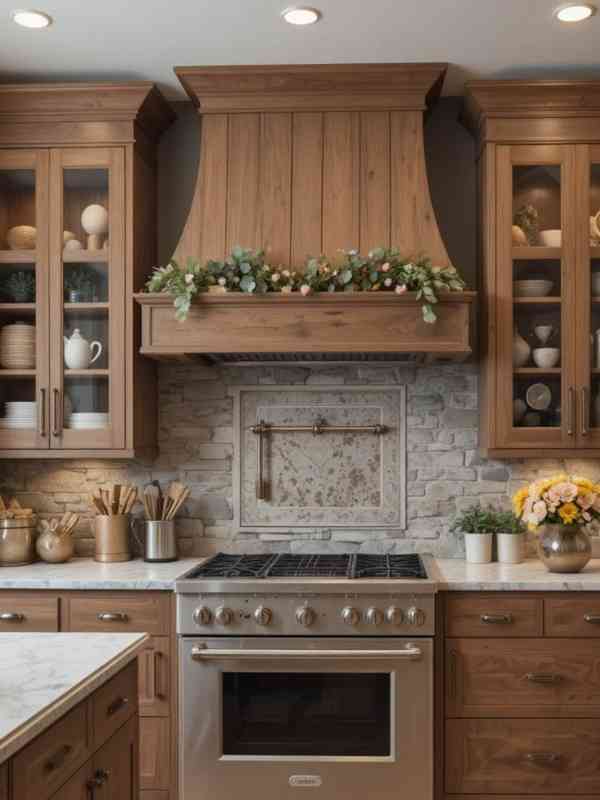
Wood has a way of softening a kitchen almost immediately. Even in modern homes filled with sleek finishes and clean lines, natural wood introduces warmth that makes the space feel grounded and welcoming. A rustic wood vent hood cover can become the visual centerpiece of your kitchen while still feeling timeless and approachable.
One of the reasons this style works so beautifully is because it blends functionality with texture. Instead of allowing the vent hood to remain purely practical, the wooden cover turns it into a design feature that draws the eye upward. This helps create balance within the kitchen, especially when paired with neutral cabinetry or open shelving.
Light oak, reclaimed wood, walnut, or even weathered pine can each create a slightly different mood. Lighter woods often feel airy and modern farmhouse-inspired, while darker stains bring richness and depth into the room. Additionally, natural grain patterns add subtle movement that keeps the kitchen from feeling too flat or overly polished.
The beauty of a DIY wood vent hood cover is that it doesn’t have to look perfect. Slight imperfections, texture variations, and handcrafted details actually add to the charm. They make the kitchen feel lived-in and authentic rather than overly designed.
Pairing the wooden hood with warm brass hardware, linen curtains, or ceramic decor can further enhance that cozy farmhouse atmosphere. Over time, the hood becomes more than a functional structure—it quietly becomes part of the emotional warmth of the home itself.
2. Create a Modern Minimalist Vent Hood Cover With Clean Lines and Soft Neutral Finishes
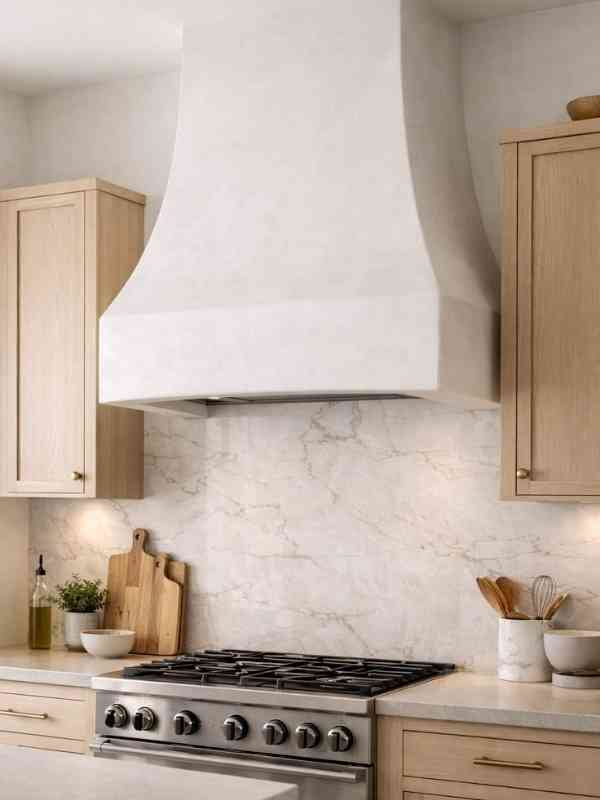
Not every cozy kitchen leans heavily rustic. Sometimes, warmth comes through simplicity. A minimalist vent hood cover can create a calm and elevated kitchen aesthetic while still feeling inviting and comfortable.
Modern minimalist designs often focus on smooth surfaces, clean edges, and subtle tones that blend seamlessly into the surrounding cabinetry. Instead of standing out dramatically, the hood cover becomes part of the architecture of the kitchen itself.
Soft white, warm beige, taupe, or muted greige finishes work especially well because they create visual softness without overwhelming the space. Meanwhile, hidden seams and streamlined silhouettes keep the overall look refined and uncluttered.
Check out our 16 Beautiful Wooden Range Hood Ideas to Elevate Your Kitchen Design
This style works beautifully in smaller kitchens too. Bulky or decorative vent hoods can sometimes make compact kitchens feel crowded, whereas minimalist covers create openness and flow.
At the same time, minimal doesn’t have to mean cold. Warm wood accents, textured backsplashes, woven lighting, or natural stone countertops can balance the clean lines and maintain a welcoming atmosphere.
A minimalist vent hood cover quietly enhances the kitchen rather than competing with it, which often creates a more timeless and peaceful design overall.
3. Design a Shiplap Vent Hood Cover That Brings Soft Cottage Charm Into the Kitchen
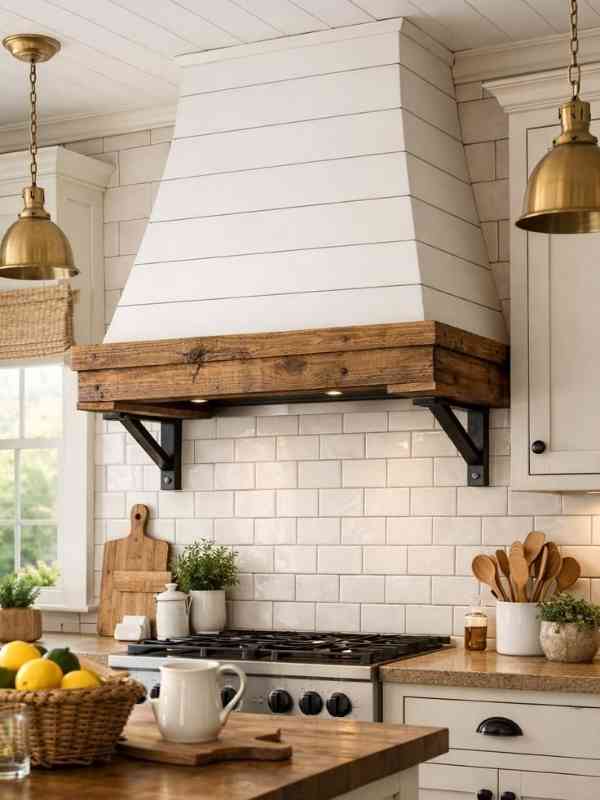
Shiplap continues to feel beloved in farmhouse and cottage-inspired homes because it adds texture in such a gentle, understated way. A DIY shiplap vent hood cover instantly creates a cozy focal point while making the kitchen feel layered and thoughtfully styled.
Vertical or horizontal shiplap boards can both work beautifully depending
Lon the overall look you want. Horizontal panels tend to feel classic and airy, while vertical shiplap creates subtle height that can make ceilings appear taller.
Painted white shiplap remains especially popular because it reflects light beautifully and blends well with a variety of kitchen styles. However, soft earthy tones or muted sage green can also create warmth and personality without overwhelming the space.
One reason shiplap vent hood covers feel so inviting is because they introduce texture without visual heaviness. The subtle grooves between the boards add dimension while still maintaining simplicity.
This style pairs beautifully with farmhouse sinks, butcher block counters, open wood shelving, and vintage-inspired lighting. Together, these elements create a kitchen that feels calm, welcoming, and full of quiet character.
Even better, shiplap is relatively beginner-friendly for DIY projects, making it an approachable option for homeowners wanting a meaningful kitchen upgrade without a full renovation.
4. Use Plaster or Limewash Finishes for a Soft European-Inspired Kitchen Look
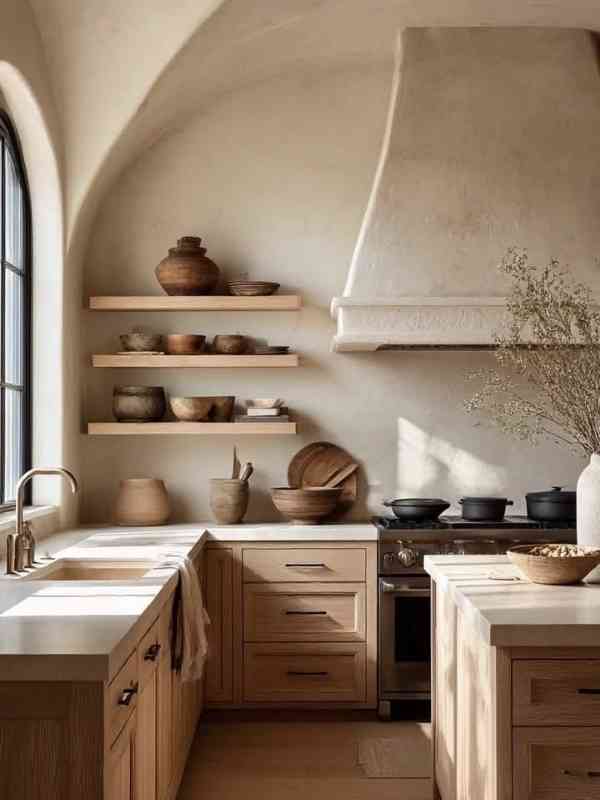
European-inspired kitchens have gained popularity because of their effortless warmth and lived-in elegance. A plaster or limewash vent hood cover can instantly create that soft old-world atmosphere while still feeling modern and refined.
Unlike perfectly smooth painted surfaces, plaster finishes carry organic movement and subtle imperfections that add depth and texture. This creates a hood cover that feels handcrafted and timeless rather than mass-produced.
Warm off-whites, creamy taupes, and earthy neutral tones work especially well for this style. These softer shades absorb light gently, which creates a calming and inviting environment throughout the kitchen.
Additionally, plaster-style vent hoods blend beautifully with natural materials like stone countertops, wood beams, and aged brass fixtures. The result feels both luxurious and approachable at the same time.
One of the most beautiful aspects of this design is its quiet simplicity. It doesn’t rely on bold details to stand out. Instead, the softness of the texture becomes the focal point in a subtle and understated way.
This style works especially well in kitchens aiming for a cozy Mediterranean, French country, or organic modern aesthetic.
5. Build a Curved Vent Hood Cover for a Softer and More Elegant Kitchen Silhouette
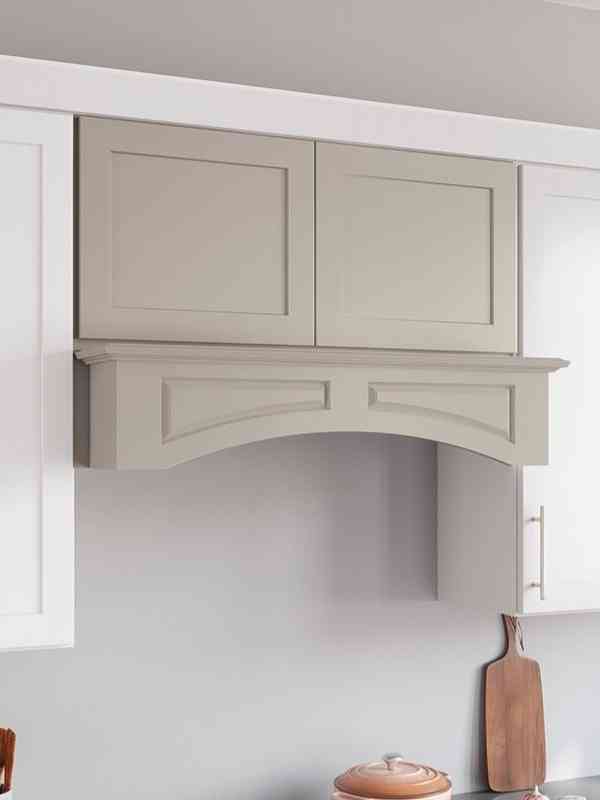
Straight lines dominate many kitchens, which is why adding curves can instantly make the space feel softer and more inviting. A curved vent hood cover introduces movement and elegance while creating a more custom, high-end appearance.
Unlike boxy vent hoods, curved designs feel architectural and refined. The gentle arch softens surrounding cabinetry and adds visual interest without overwhelming the room.
This style works beautifully in both modern farmhouse and traditional kitchens because it balances structure with warmth. Additionally, curved vent hood covers tend to feel timeless rather than overly trendy.
Painted finishes often work best here because they emphasize the shape itself. Soft white or warm neutral tones allow the curve to stand out naturally without needing excessive decoration.
Pairing a curved hood with warm wood accents or textured backsplash tiles can further enhance the cozy atmosphere.
Although curved hood designs may appear complicated, many DIY versions use lightweight framing and flexible materials to create the rounded shape affordably.
The final result feels elegant, welcoming, and quietly luxurious.
6. Add Decorative Trim and Molding for a Custom Built-In Vent Hood Appearance
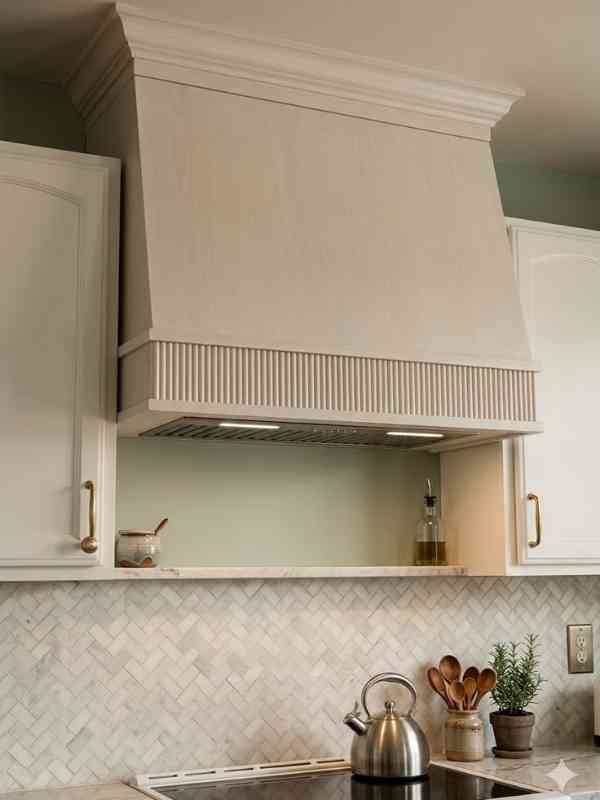
Decorative trim can completely transform a basic vent hood into something that feels custom-built and polished. Crown molding, panel trim, or layered wood details create depth and architectural character that elevate the entire kitchen.
One reason this style works so well is because it visually connects the hood cover to surrounding cabinetry. Instead of feeling separate or disconnected, the hood becomes integrated into the overall kitchen design.
Traditional trim details often bring a sense of timelessness and sophistication. However, simpler trim profiles can also work beautifully in more modern farmhouse spaces.
Painted finishes allow the decorative molding to feel cohesive and refined, while contrasting wood accents can add warmth and texture.
Even small trim additions can make a noticeable difference. The layered detailing catches light softly and gives the kitchen a more finished appearance overall.
This approach is especially ideal for homeowners who want their kitchen to feel elevated without requiring major structural changes.
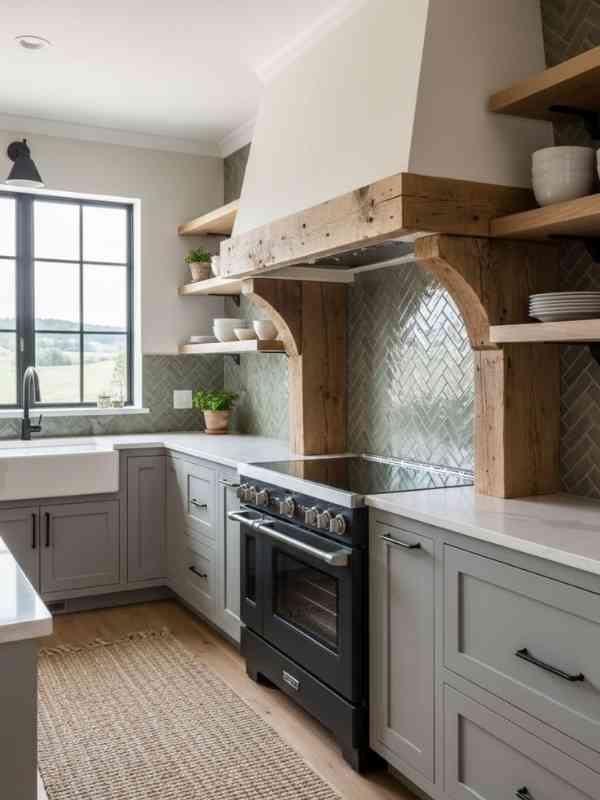
7. Incorporate Reclaimed Wood Beams Around the Hood for a Cozy Rustic Statement
 1qa
1qa
Reclaimed wood beams carry a sense of history and warmth that newer materials often can’t replicate. Using them around a vent hood cover instantly creates a cozy focal point filled with texture and character.
The aged imperfections, knots, and weathered finishes help the kitchen feel authentic and lived-in. These details quietly tell a story and add emotional warmth to the space.
Pairing reclaimed wood with neutral cabinetry creates beautiful contrast while maintaining balance. Similarly, combining rough wood textures with sleek countertops or modern fixtures keeps the kitchen from feeling overly rustic.
This style works especially well in farmhouse kitchens, cabin-inspired homes, or spaces aiming for organic warmth.
Even smaller beam accents can make the hood feel more substantial and architectural without overwhelming the room.
8. Paint Your Vent Hood Cover the Same Color as Your Cabinets for a Seamless and Cohesive Look
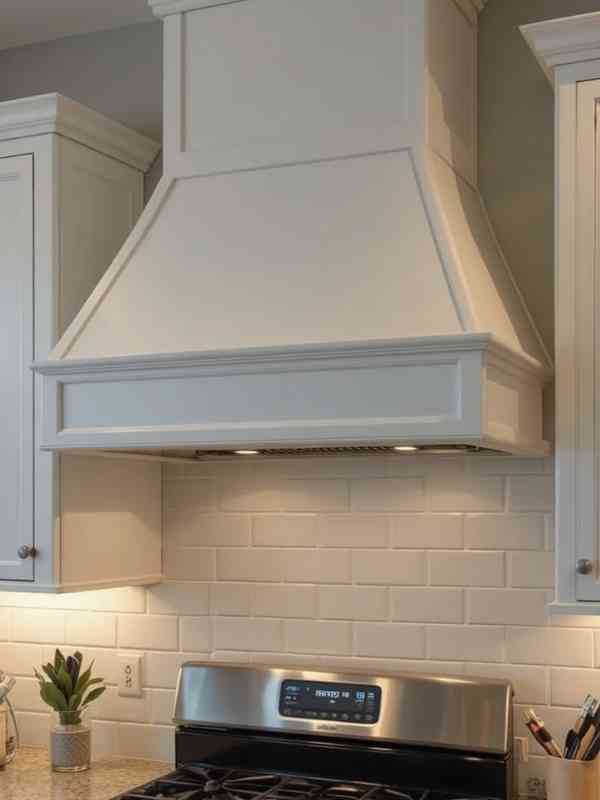
Sometimes the most impactful design choices are the quietest ones. Painting the vent hood cover the same color as the surrounding cabinets creates a seamless look that makes the kitchen feel calm and cohesive.
This design approach works particularly well in smaller kitchens because it reduces visual interruptions and creates flow. Instead of the hood standing out sharply, it blends naturally into the room.
Soft whites, warm greys, sage greens, and muted earthy tones all work beautifully for this look. The monochromatic palette creates elegance while still allowing texture and lighting to shine.
Additionally, this cohesive approach often feels more timeless because it avoids overly bold contrasts that may become dated over time.
The kitchen ends up feeling balanced, airy, and thoughtfully designed without appearing overly busy.
9. Add Open Shelving Beside the Vent Hood for a Functional and Beautiful Focal Area
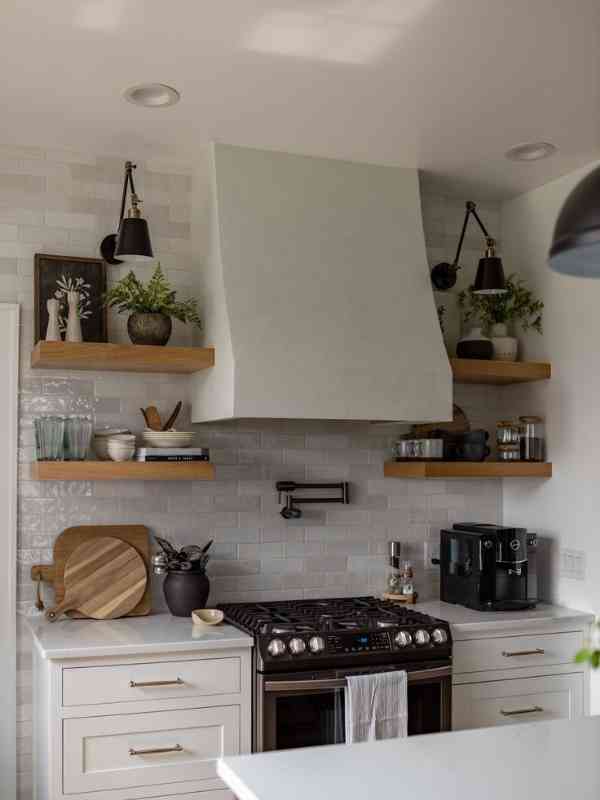
Combining a vent hood cover with open shelving creates a kitchen feature that feels both practical and styled. Shelves beside the hood naturally draw attention while providing space for everyday decor and essentials.
Ceramic dishes, cutting boards, glass jars, greenery, or vintage-inspired pieces can all add warmth and personality to the area.
The key is styling the shelves lightly rather than overcrowding them. Leaving some open space allows the kitchen to feel breathable and relaxed.
Wood shelving paired with a painted hood cover often creates especially beautiful contrast and balance.
This setup works wonderfully in farmhouse kitchens because it blends function with comfort in a way that feels natural and approachable.
10. Use Mixed Materials Like Wood, Metal, and Stone for a High-End Designer-Inspired Vent Hood Cover
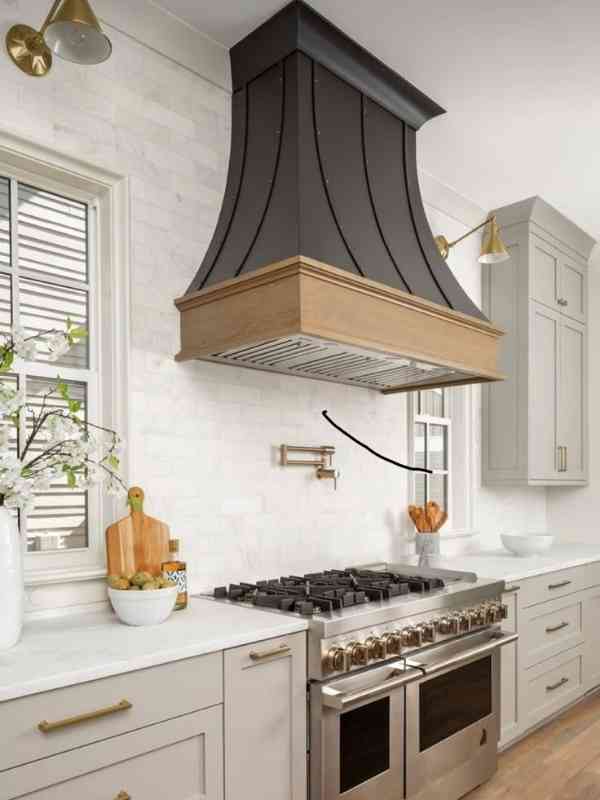
One of the most visually striking ways to upgrade a vent hood is by mixing materials thoughtfully. Combining wood, metal, plaster, or stone creates depth and contrast that makes the kitchen feel layered and luxurious.
For example, a wood hood with metal straps can introduce rustic-industrial charm, while plaster paired with natural stone creates soft European elegance.
You may like 18 Small Space Organization Hacks That Actually Work
Mixed materials prevent the hood from feeling one-dimensional. Instead, the varying textures create richness and visual interest while still maintaining warmth.
Balance is especially important here. Too many competing elements can feel overwhelming, yet carefully chosen combinations create harmony and sophistication.
This designer-inspired approach works beautifully in kitchens aiming for a custom high-end appearance while still feeling cozy and welcoming.
FAQs About 10 DIY Vent Hood Cover Ideas
1. What is the best material for a DIY vent hood cover?
Wood is one of the most popular materials because it adds warmth and works well with many kitchen styles. However, plaster, shiplap, and mixed materials are also beautiful options.
2. Can I build a vent hood cover without professional experience?
Yes, many DIY vent hood covers are beginner-friendly with proper planning, basic tools, and lightweight materials.
3. How do I make my vent hood look expensive?
Using custom details like trim, curves, textured finishes, and quality materials can create a more high-end appearance.
4. Are vent hood covers still in style?
Yes, vent hood covers remain very popular because they add warmth, character, and a more custom feel to kitchens.
Conclusion
A kitchen slowly becomes more meaningful through the details layered into it over time. The warmth of wood, the softness of texture, and the thoughtful choices made within the space all shape how a home feels day after day.
DIY vent hood covers may seem like a small design change at first, yet they have the power to completely shift the atmosphere of a kitchen. They turn a functional feature into something beautiful, intentional, and deeply connected to the overall style of the home.
Whether you prefer modern minimalism, rustic farmhouse charm, or soft European-inspired textures, the right vent hood cover can quietly bring everything together.
And often, those subtle transformations are the ones that make a home feel the most comforting in the end.