How to Get Rid of Dandruff in Locs Naturally
Learn how to get rid of dandruff in locs naturally with simple scalp care tips and gentle remedies to keep your locs clean, healthy, and flake-free.
Dandruff can be one of the most frustrating challenges to deal with when you have locs. Unlike loose hair, locs tend to hold onto flakes, making them more noticeable and sometimes more difficult to remove. The itching, dryness, and white specks can affect your confidence, especially when you put effort into keeping your locs neat and healthy.
The good news is that dandruff doesn’t always require harsh treatments or expensive products. In many cases, improving your scalp care routine and using natural remedies can help reduce flakes while keeping your locs clean and well-maintained. The key is understanding what causes dandruff and choosing methods that support a healthy scalp instead of simply masking the problem.
If you’re looking for safe, natural ways to get rid of dandruff in locs, these practical tips on How to Get Rid of Dandruff in Locs Naturally can help you restore your scalp’s health while protecting your beautiful locs.
How to Get Rid of Dandruff in Locs Naturally
What Causes Dandruff in Locs?
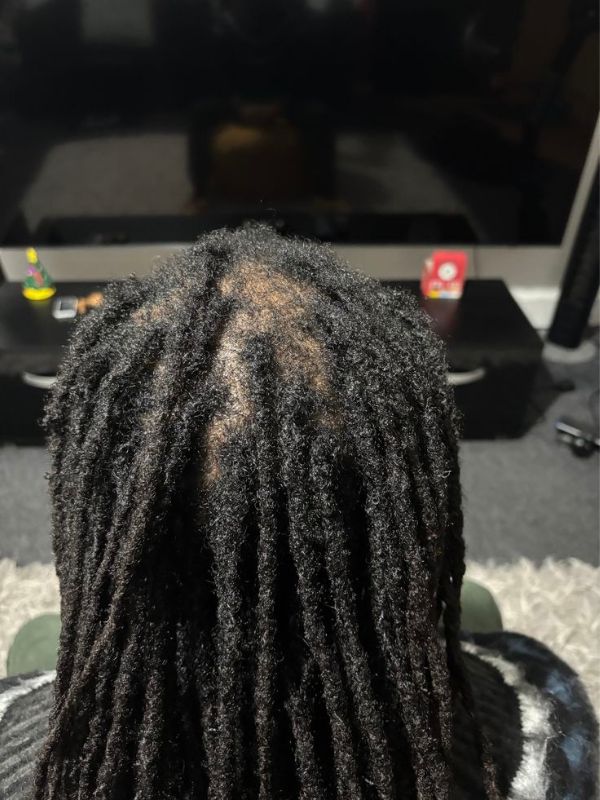
Before treating dandruff, it’s important to understand why it’s happening. Dandruff isn’t always caused by poor hygiene. In fact, several factors can contribute to flaky skin on your scalp.
One common cause is a dry scalp. When your scalp lacks enough moisture, dead skin cells shed more quickly, creating visible flakes. Product buildup is another major culprit. Heavy oils, waxes, gels, and creams can accumulate around your scalp and inside your locs, trapping dirt and irritating the skin.
Some people also develop dandruff due to an overgrowth of a naturally occurring yeast called Malassezia, which feeds on scalp oils and may trigger irritation and excessive flaking. Washing your locs too infrequently, failing to dry them properly after washing, changes in weather, stress, and certain skin conditions can also contribute to dandruff.
Understanding the root cause makes it easier to choose the right natural solution.
Check out our
Easy Guide to Washing Starter Locs Without Frizz or Unraveling
10 Must-Know Tips Before You Install Locs
15 Beautiful Loc Styles for Brides (Classy & Timeless)
How to Get Rid of Dandruff in Locs Naturally
1. Wash Your Locs With a Gentle Natural Shampoo
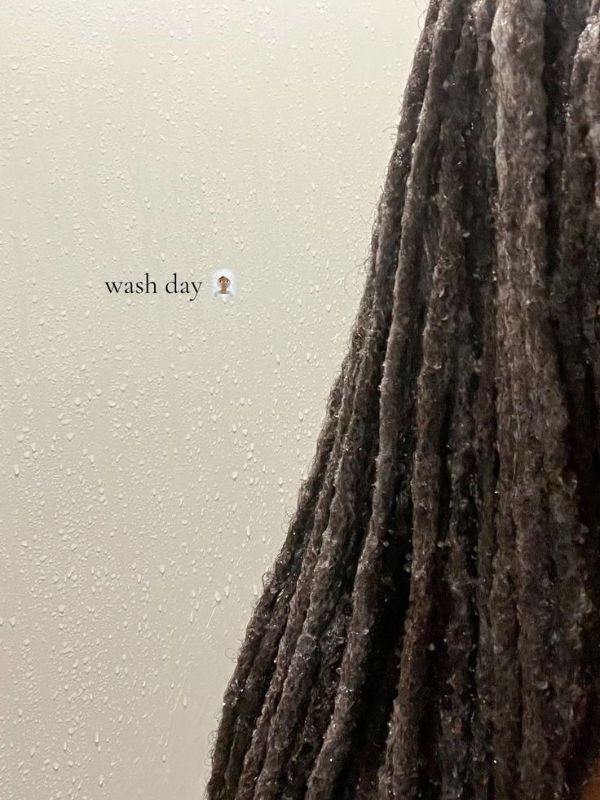
One of the most effective ways to reduce dandruff is by keeping your scalp clean. Dirt, sweat, excess oil, and product residue can build up over time, creating an environment where dandruff becomes worse.
Choose a gentle shampoo that’s free from harsh sulfates, as these ingredients can strip your scalp of its natural oils and leave it even drier. Natural shampoos containing ingredients like tea tree oil, peppermint, rosemary, or aloe vera can cleanse the scalp without causing unnecessary irritation.
While washing is important, avoid overwashing your locs. Cleaning your scalp every two to four weeks works well for many people, although you may need to wash more often if you exercise regularly or produce a lot of sweat. Focus on massaging the shampoo into your scalp rather than aggressively scrubbing your locs.
A clean scalp provides a healthier environment for your locs to thrive while reducing the buildup that often contributes to dandruff.
2. Use a Diluted Apple Cider Vinegar Rinse: How to Get Rid Of Dandruff
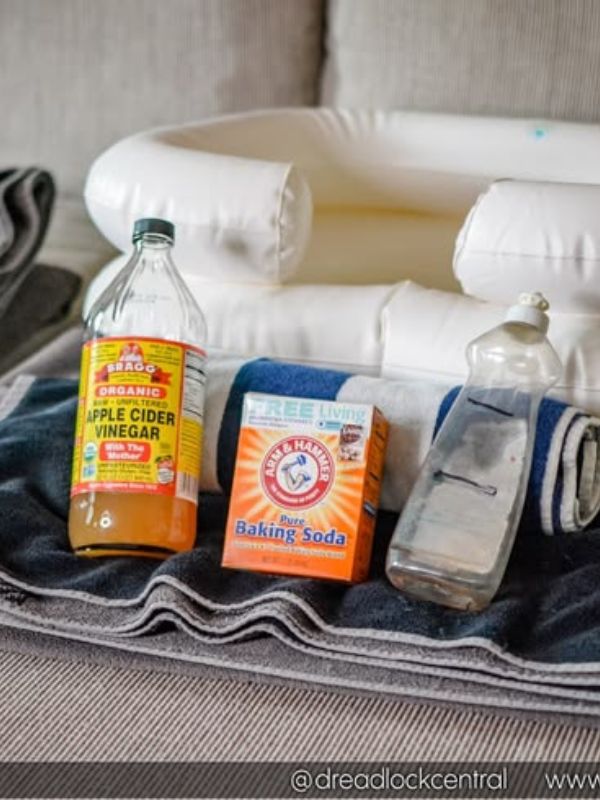
Apple cider vinegar has long been used as a natural scalp treatment because it helps dissolve product buildup while restoring your scalp’s natural pH balance.
Over time, residue from styling products, oils, and environmental pollutants can cling to your locs and scalp. This buildup may worsen itching and flaking. A diluted apple cider vinegar rinse helps loosen residue, leaving your scalp feeling cleaner and refreshed.
Mix one part apple cider vinegar with three to four parts water before applying it to your scalp. Allow it to sit for a few minutes before rinsing thoroughly with clean water.
Using this rinse once every few weeks is usually enough. Avoid using undiluted vinegar, as its acidity may irritate sensitive skin.
3. Massage Your Scalp With Tea Tree Oil
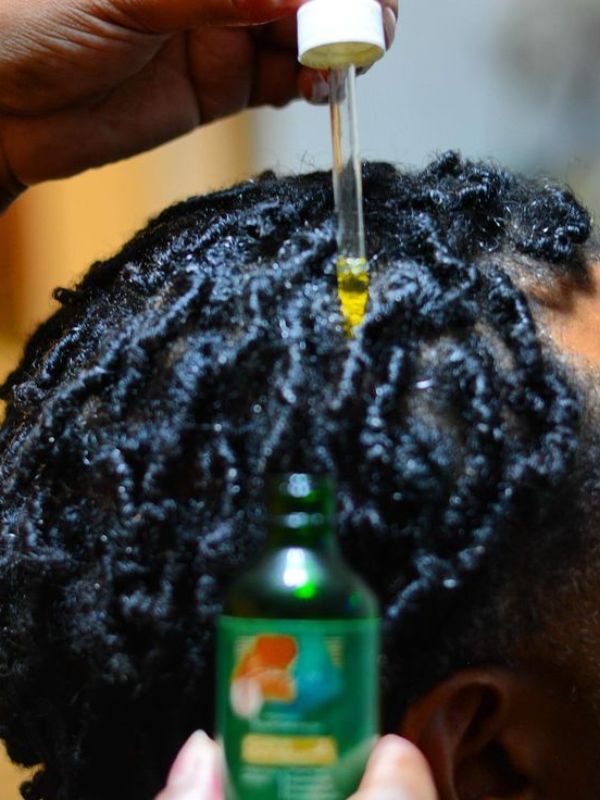
Tea tree oil is one of the most popular natural remedies for dandruff because of its antifungal and antimicrobial properties. Since dandruff is often linked to yeast growth on the scalp, tea tree oil may help reduce the conditions that contribute to flaking.
However, essential oils should never be applied directly to your scalp. Instead, mix a few drops of tea tree oil with a carrier oil such as jojoba oil or grapeseed oil before gently massaging it into your scalp.
Massaging your scalp not only distributes the oil evenly but also stimulates blood circulation, which supports overall scalp health. Leave the mixture on for a while before washing it out or use only a light amount if it doesn’t leave your scalp feeling greasy.
If you’ve never used tea tree oil before, perform a patch test to check for sensitivity.
4. How to Get Rid of Dandruff: Moisturize Your Scalp Naturally
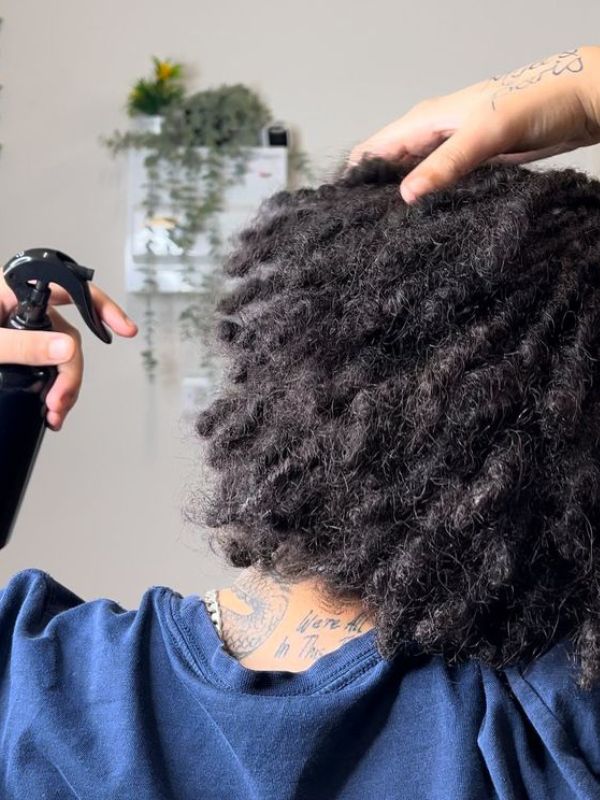
Many people mistake dandruff for simply having a dry scalp, but dryness can certainly make dandruff appear worse. Keeping your scalp properly moisturized helps reduce irritation and excessive flaking.
Natural moisturizers like aloe vera gel provide soothing hydration without leaving heavy residue. Jojoba oil closely resembles your scalp’s natural oil, making it an excellent lightweight moisturizer. Grapeseed oil is another good option because it absorbs quickly without weighing down your locs.
Some people also use coconut oil, although it’s best applied sparingly since it may contribute to buildup in certain hair types.
Apply small amounts directly to your scalp rather than saturating your locs. The goal is to nourish your skin, not make your hair oily.
You may also like
15 Bold and Beautiful Loc Colors for a Summer Glow
15 Bold and Beautiful Loc Colors for a Summer Glow
15 Stylish Graduation Hairstyles for Long Locs
10 Trendy Fall Loc Hairstyles for Women
5. Keep Your Locs Clean Without Overwashing

Finding the right balance between cleanliness and moisture is important when managing dandruff naturally.
Washing too often may strip away beneficial oils that protect your scalp, while washing too infrequently allows dirt, sweat, and oils to accumulate. Both situations can worsen dandruff.
Pay attention to your lifestyle. If you work out frequently, spend time outdoors, or sweat heavily, your scalp may benefit from slightly more frequent washing. On the other hand, if your scalp tends to be dry, spacing out your wash days while maintaining regular scalp care may be a better approach.
Developing a consistent washing schedule helps prevent sudden flare-ups and keeps your scalp healthier over time.
How to Get Rid of Dandruff in Locs Naturally
6. Dry Your Locs Thoroughly After Washing
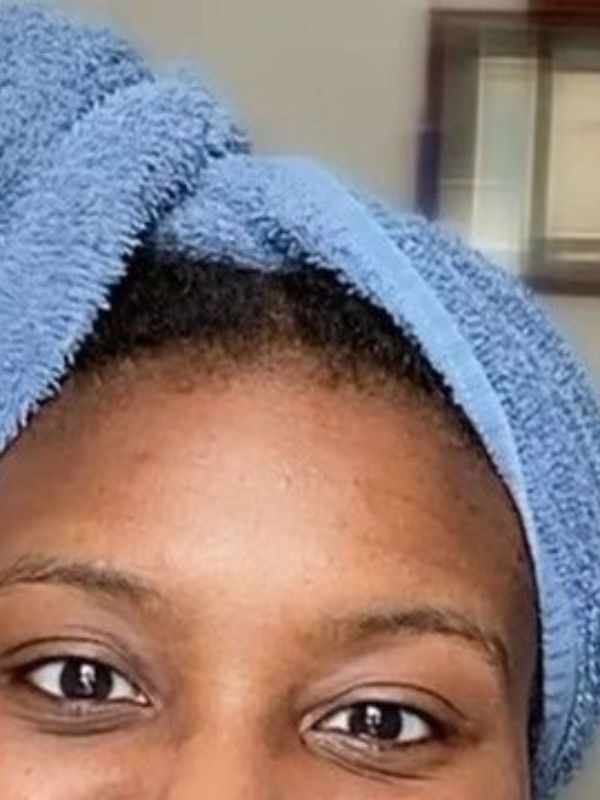
One mistake many people overlook is leaving their locs damp for extended periods after washing.
Because locs are thick and densely packed, they can retain moisture much longer than loose hair. A damp scalp creates an environment where microorganisms may thrive, potentially worsening dandruff and causing unpleasant odors.
After washing, gently squeeze excess water from your locs using a microfiber towel. Allow your hair to air dry completely in a well-ventilated space or use a hooded dryer if needed.
Avoid tying up wet locs or covering them with hats before they’re fully dry. Giving your locs enough time to dry completely supports a healthier scalp.
7. How to Get Rid of Dandruff: Reduce Heavy Product Buildup
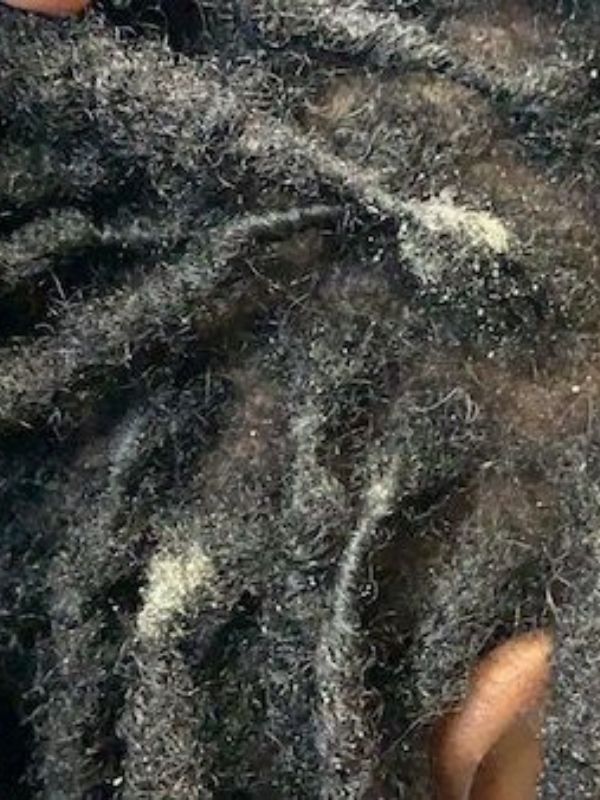
Using too many products is a common reason dandruff becomes difficult to manage.
Heavy waxes, thick creams, greasy pomades, and sticky styling products often remain trapped inside locs for long periods. Over time, these products accumulate on the scalp, mixing with dead skin cells and natural oils.
Instead of layering multiple products, simplify your routine. Choose lightweight oils and water-based moisturizers whenever possible. Occasionally using a clarifying shampoo or a natural apple cider vinegar rinse can also help remove stubborn residue.
Keeping product use minimal allows your scalp to breathe and reduces irritation.
8. Exfoliate Your Scalp Gently
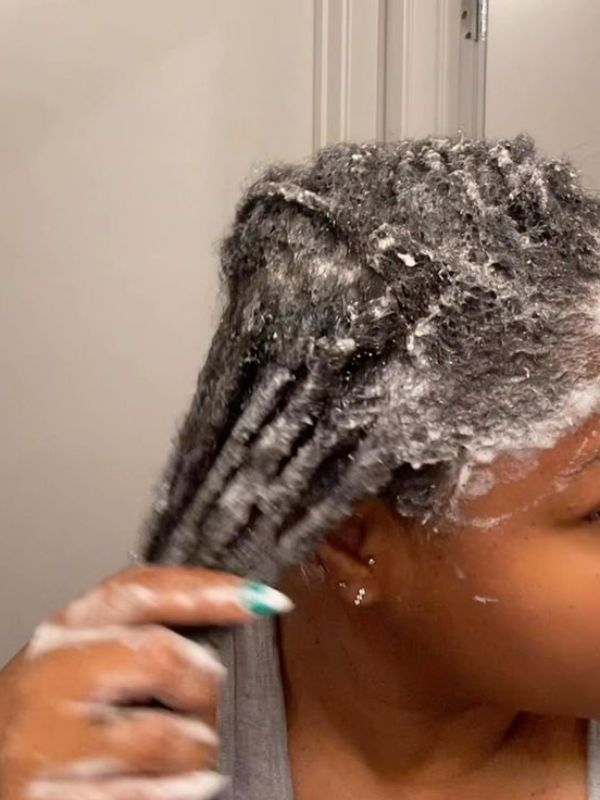
Just like the skin on your face benefits from gentle exfoliation, your scalp can also benefit from removing dead skin cells.
You don’t need harsh scrubs or abrasive tools. Instead, use your fingertips or a soft scalp brush while shampooing to gently loosen flakes and stimulate circulation.
Avoid scratching your scalp with your fingernails, as this can create tiny cuts that increase irritation and make dandruff worse.
Regular but gentle exfoliation helps prevent flakes from accumulating while encouraging healthier skin renewal.
9. Eat Foods That Support Scalp Health
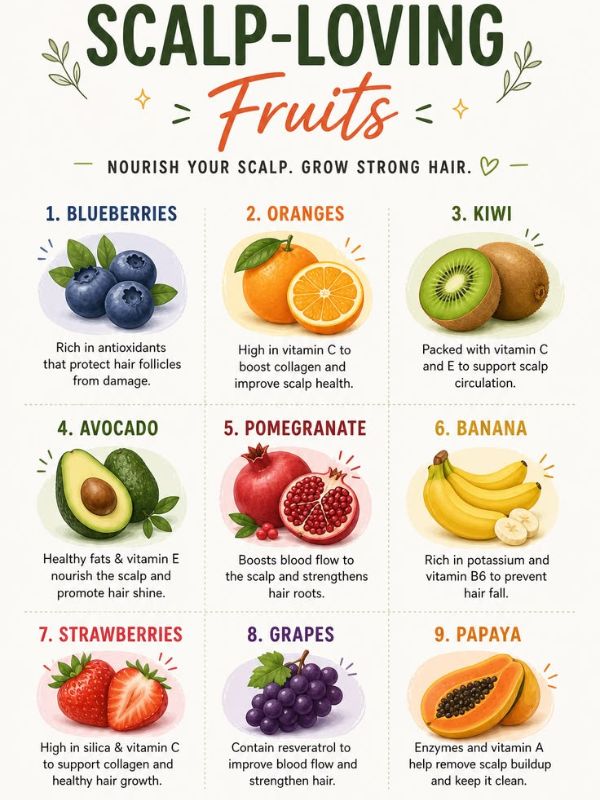
Healthy hair starts from within, and your diet can influence the condition of your scalp.
Foods rich in omega-3 fatty acids help maintain healthy skin. Zinc supports normal skin repair, while vitamin D and B vitamins contribute to overall scalp health. Lean protein provides the building blocks your hair needs to grow strong.
Staying hydrated is equally important. Drinking enough water helps maintain your skin’s natural moisture balance, which may reduce dryness and flaking.
A balanced diet won’t eliminate dandruff overnight, but it supports long-term scalp health alongside a good hair care routine.
10. Manage Stress When Getting Rid of Dandruff
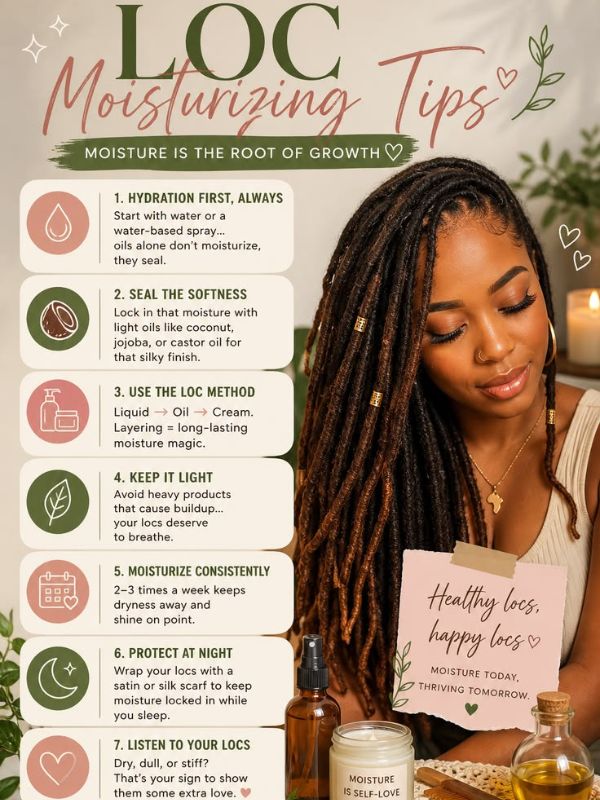
Stress affects more than your mood. For some people, periods of prolonged stress can trigger or worsen dandruff flare-ups.
When your body experiences ongoing stress, your skin may become more reactive, making existing scalp conditions more noticeable.
Simple habits like getting enough sleep, exercising regularly, practicing deep breathing, or spending time relaxing can help reduce stress levels over time.
Although stress management alone won’t cure dandruff, it can be an important part of maintaining a healthier scalp.
Natural Ingredients For How to Get Rid of Dandruff Naturally
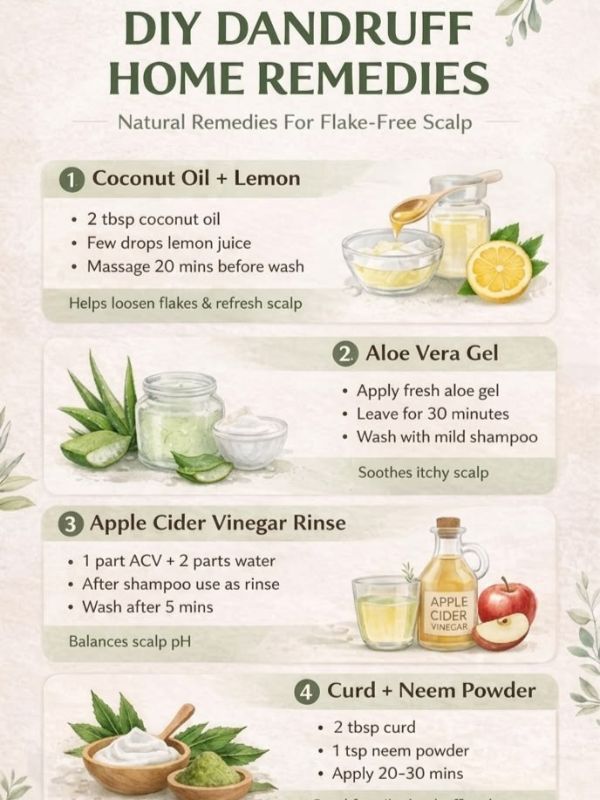
Several natural ingredients have earned a reputation for supporting scalp health when used correctly.
Tea tree oil is valued for its antifungal properties and may help reduce dandruff-causing yeast.
Aloe vera helps soothe irritated skin while providing lightweight hydration.
Apple cider vinegar assists with removing buildup and restoring the scalp’s natural pH.
Jojoba oil moisturizes without feeling excessively greasy, making it a good option for people with locs.
Rosemary oil is often used to support scalp circulation and maintain overall scalp health when diluted properly.
Neem oil has traditionally been used in natural hair care for its cleansing and antifungal properties, although its strong scent may not appeal to everyone.
Remember that natural remedies work best when used consistently and in moderation.
How to Get Rid of Dandruff in Locs Naturally
Natural Remedies to Avoid
While many home remedies circulate online, not all of them are suitable for locs or sensitive scalps.
Avoid applying undiluted essential oils directly to your scalp, as they may cause irritation or allergic reactions.
Baking soda is sometimes recommended for dandruff, but frequent use can disrupt your scalp’s natural balance and lead to dryness.
Using lemon juice on an already irritated scalp may cause stinging and worsen discomfort.
Heavy petroleum-based products can trap dirt and contribute to buildup, while excessive use of coconut oil may not work well for everyone, especially if it leaves residue behind.
Choosing gentle, balanced treatments is often more effective than trying harsh DIY remedies.
How to Prevent Dandruff From Coming Back
Treating dandruff is only part of the solution. Preventing future flare-ups requires consistent scalp care.
Maintain a regular washing schedule that suits your lifestyle and scalp type. Moisturize your scalp with lightweight natural oils or aloe vera whenever it feels dry, and avoid applying excessive amounts of styling products.
Always dry your locs completely after washing, and keep items that touch your hair, such as satin bonnets, scarves, pillowcases, and towels, clean to reduce the transfer of oils, dirt, and bacteria.
Supporting your overall health through proper hydration, nutritious meals, and stress management can also help create a healthier scalp over time.
When Natural Remedies Aren’t Enough
Although natural remedies work well for many people, persistent dandruff sometimes signals a more serious scalp condition.
If you experience severe itching, redness, swelling, bleeding, thick yellow scales, noticeable hair thinning, or flakes that don’t improve after several weeks of proper scalp care, it’s a good idea to consult a healthcare professional or dermatologist.
Conditions such as seborrheic dermatitis, psoriasis, eczema, or fungal infections may require medical treatment. Getting an accurate diagnosis ensures you receive the most appropriate care for your scalp.
Frequently Asked Questions On How to Get Rid of Dandruff in Locs Naturally
Can dandruff damage locs?
Dandruff itself doesn’t damage locs, but constant scratching and untreated scalp irritation may contribute to scalp inflammation and, in severe cases, affect healthy hair growth.
How often should I wash locs if I have dandruff?
Most people benefit from washing their locs every two to four weeks. However, if you sweat heavily or have significant buildup, you may need to wash slightly more often while using a gentle shampoo.
Is tea tree oil safe for locs?
Yes, tea tree oil can be safe when properly diluted with a carrier oil before application. Never apply pure tea tree oil directly to your scalp.
Does apple cider vinegar permanently remove dandruff?
No. Apple cider vinegar can help reduce buildup and improve scalp balance, but dandruff may return if the underlying cause isn’t addressed through regular scalp care.
Can product buildup look like dandruff?
Yes. White residue from heavy styling products can resemble dandruff. Clarifying your scalp and reducing product use can help determine whether buildup is contributing to the problem.
Should I oil my scalp if I have dandruff?
Yes, but use lightweight oils in moderation. Overapplying heavy oils may worsen buildup, while small amounts of natural oils like jojoba or grapeseed oil can help keep your scalp moisturized without clogging it.
Conclusion
Getting rid of dandruff in locs naturally isn’t about finding a single miracle remedy. It’s about building healthy habits that keep your scalp clean, balanced, and properly moisturized. Gentle cleansing, natural oils, occasional apple cider vinegar rinses, regular scalp care, and a healthy lifestyle can all work together to reduce flakes and improve your scalp’s overall condition.
Be patient with the process, as natural treatments often take time to show results. With consistency and the right routine, you can enjoy healthier locs and a scalp that’s far more comfortable and less prone to dandruff.