20 Fun Indoor Activities to Keep Toddlers Busy at Home All Day
Have you ever looked around your living room after just ten minutes of quiet, only to realize your toddler has emptied every toy basket, pulled every cushion onto the floor, and somehow managed to turn a perfectly tidy space into a tiny adventure park? If you have, you’re definitely not alone that why this 20 Fun Indoor Activities to Keep Toddlers Busy at Home All Day is draftedfor you. Every parent or caregiver experiences those long days when the weather keeps everyone indoors, energy levels are sky-high, and fresh ideas seem to disappear by lunchtime.
The good news is that:
Staying inside doesn’t have to mean endless screen time or constant boredom. In fact, some of the sweetest childhood memories are created right at home through simple games, creative projects, and playful learning experiences.
A cardboard box can become a castle, a blanket can transform into a magical fort, and a handful of crayons can inspire hours of imagination. These little moments help toddlers develop confidence, creativity, and important life skills while having plenty of fun.
This guide to 20 fun indoor activities to keep toddlers busy at home all day is filled with easy ideas that are entertaining, affordable, and simple to set up. Whether you’re working from home, caring for multiple children, or simply searching for fresh inspiration, these activities will make your days feel more enjoyable and less stressful.
Even better, most of these 20 Fun Indoor Activities ideas use everyday household items you probably already have. That means you won’t need to spend a fortune to keep your little one happily engaged. By the end of this article, you’ll have plenty of practical ways to encourage learning, movement, creativity, and independent play without ever leaving the house.
Let’s dive into these 20 fun indoor activities to keep toddlers busy at home all day that both parents and toddlers will love.
Why Indoor Activities Matter for Toddlers
Toddlers learn through play. Every game, craft, and pretend adventure helps them develop new skills while building confidence. These 20 fun Indoor activities encourage language development, improve fine and gross motor skills, strengthen problem-solving abilities, and spark creativity.
Moreover, spending quality time together creates stronger family bonds. While independent play is important, shared activities help toddlers feel safe, loved, and encouraged. The best part is that meaningful play doesn’t have to be expensive or complicated. Below are 20 Fun Indoor Activities to Keep Toddlers Busy at Home All Day:
Check out our
10 Graduation Party Backdrop Ideas That Make the Day Feel Even More Special
16 Kindergarten Graduation Party Ideas That Feel Sweet, Joyful, and Worth Remembering
20 Graduation Party Gift Ideas That Feel Thoughtful, Useful, and Truly Memorable
18 High School Graduation Party Ideas That Feel Meaningful, Fun, and Worth Celebrating
13 Graduation Party Activities Guests Will Love
20 Stress-Free Graduation Party Food Ideas That Still Feel Super Special
20 Fun Indoor Activities to Keep Toddlers Busy at Home All Day
1. Build a Cozy Blanket Fort
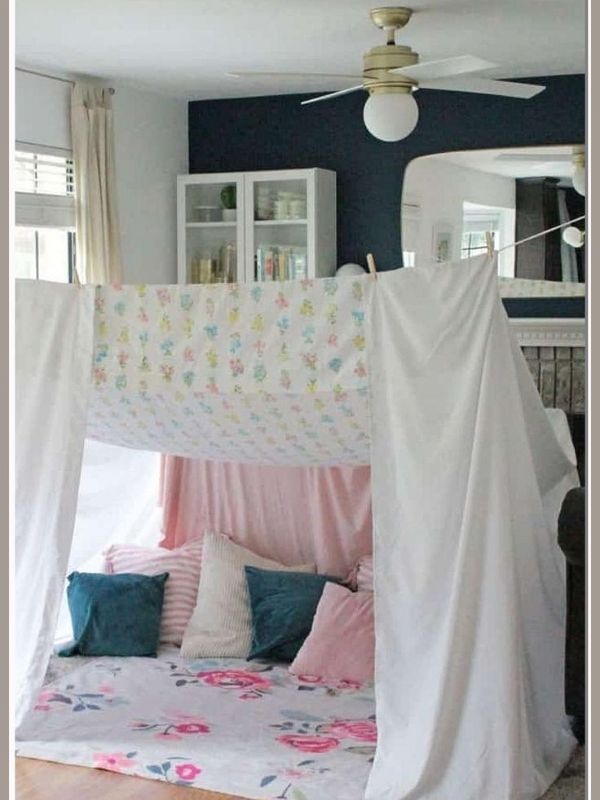
A blanket fort instantly transforms an ordinary afternoon into an exciting adventure. Toddlers love having their own little hideaway where they can imagine, play, and relax.
Start by draping blankets over chairs, sofas, or a small table. Use pillows to make the floor soft and comfortable, then add a few stuffed animals, favorite books, or battery-operated fairy lights for extra magic. Within minutes, your child has a cozy space that feels entirely their own.
Once the fort is complete, encourage pretend play. It can become a castle for a prince or princess, a campsite deep in the forest, a pirate ship sailing across the ocean, or even a secret reading nook. Since toddlers have vivid imaginations, they’ll often create stories that surprise you.
You can also enjoy quiet bonding moments inside the fort. Read books together, sing nursery rhymes, tell simple stories, or enjoy a healthy snack. These peaceful moments often become treasured childhood memories.
Besides being entertaining, blanket forts encourage creativity, communication, and emotional development. They also provide a calm environment when toddlers need a break from active play.
You may also like
18 Christmas Porch Decorating Ideas
10 Christmas Tree Themes for 2026
13 Christmas Charcuterie Board Ideas for Parties
20 Graduation Party Gift Ideas That Feel Thoughtful, Useful, and Truly Memorable
2. Create an Indoor Obstacle Course

Toddlers have endless energy, and an indoor obstacle course gives them a safe way to burn it off.
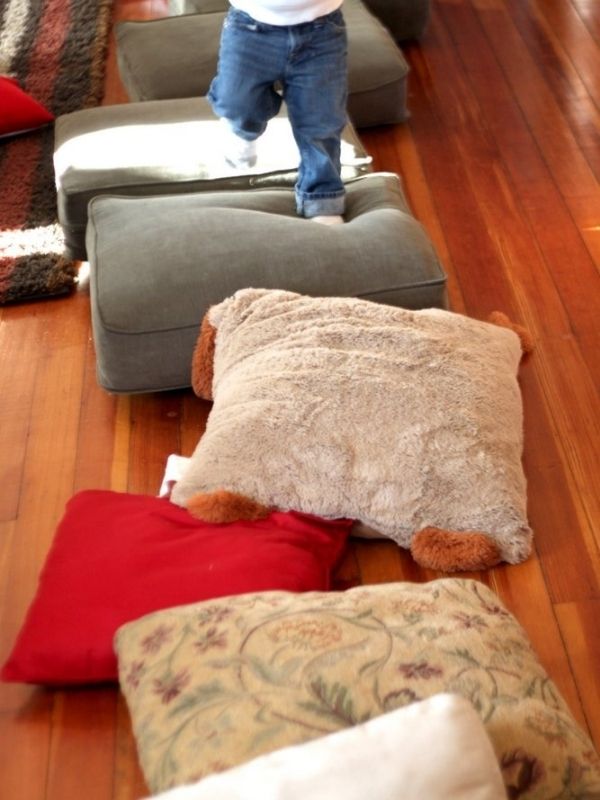
Thankfully, you don’t need expensive equipment. Use couch cushions to crawl over, masking tape to create balance lines on the floor, pillows to jump across, and empty boxes to crawl through. Arrange everything into a simple path that your toddler can follow.
For example, they might:
- Walk along a taped line.
- Crawl through a cardboard tunnel.
- Hop over pillows.
- Spin in a circle.
- Toss a soft ball into a basket.
- Finish with a happy dance.
To make the activity even more exciting, cheer them on after completing each obstacle. Toddlers thrive on encouragement and will often ask to repeat the course several times.
Not only does this activity improve balance and coordination, but it also develops listening skills as children follow simple directions. As their confidence grows, you can gradually introduce new challenges that match their abilities.
3. Enjoy Finger Painting Fun
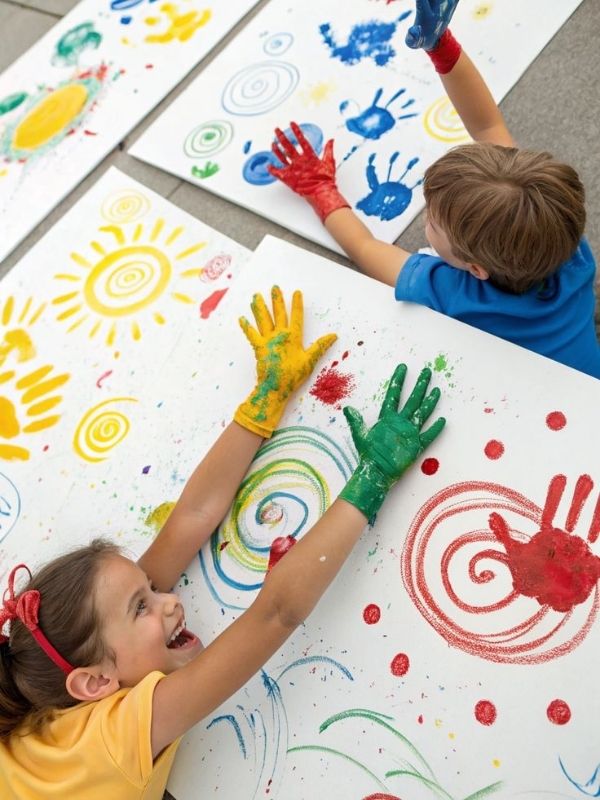
Few activities capture a toddler’s attention quite like finger painting. The bright colors, messy fun, and freedom to create make it an unforgettable experience.
Cover your table with newspaper or an old tablecloth before setting out washable, non-toxic paints and large sheets of paper. Dress your toddler in old clothes or an art smock to make cleanup easier.
Instead of focusing on creating perfect artwork, allow your child to freely explore different colors and textures. They can swirl paint with their fingers, stamp handprints, or mix colors to discover exciting new shades.
You can also introduce simple learning opportunities by asking questions like:
- What color is this?
- Can you make a circle?
- Which color do you like best?
- How does the paint feel?
These conversations encourage vocabulary development while making art even more interactive.
Once the masterpieces dry, display them on the refrigerator or create a special art wall. Seeing their work proudly displayed boosts your toddler’s confidence and encourages future creativity.
4. Host a Toddler Dance Party
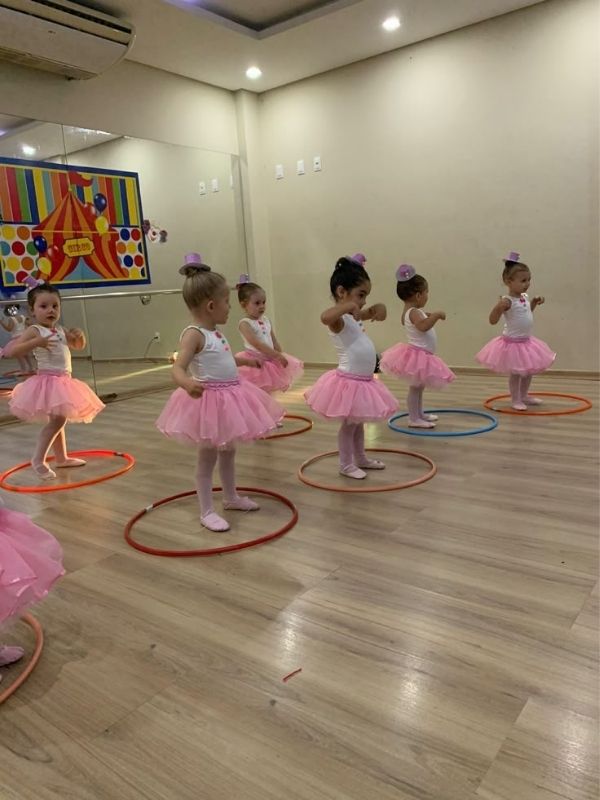
Sometimes the easiest way to brighten everyone’s mood is by turning up the music and dancing together.
Create a playlist filled with cheerful nursery rhymes, children’s songs, and family favorites. Clear a safe area in your living room, then invite your toddler to dance however they like.
You can jump, clap, march, wiggle, spin, stretch, or pretend to be different animals while the music plays. Freeze dance is another exciting variation. Pause the music unexpectedly, and everyone must freeze until the song starts again.
Additionally, introduce fun props like scarves, ribbons, or lightweight balloons to make dancing even more exciting.
Dance parties aren’t only entertaining—they also improve coordination, rhythm, balance, and cardiovascular health. Most importantly, they encourage joyful family moments filled with laughter.
5. Explore Sensory Bins
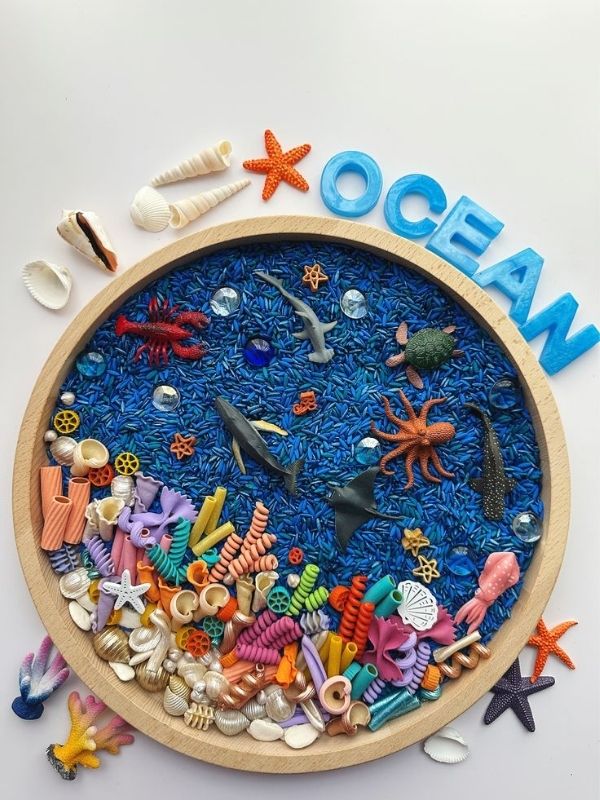
Sensory bins are one of the most engaging ways to keep toddlers entertained while encouraging hands-on learning.
Fill a large plastic container with child-safe materials such as dried pasta, rice, cotton balls, pom-poms, or large cereal pieces. Then add scoops, measuring cups, plastic animals, toy cars, or colorful cups for exploring.
As toddlers pour, scoop, sort, and dig, they’re strengthening fine motor skills while learning about textures, sizes, and shapes.
To make each sensory bin unique, choose different themes throughout the year. For instance:
- Ocean theme with blue rice and toy sea animals.
- Farm theme with toy tractors and plastic animals.
- Construction theme with toy trucks and blocks.
- Rainbow theme with colorful pom-poms.
- Always supervise toddlers closely to ensure small items are used safely.
Sensory play also helps children develop concentration and problem-solving skills. Since there’s no right or wrong way to explore, toddlers naturally become more curious and confident during play.
6. Let Your Toddler Become a Little Kitchen Helper
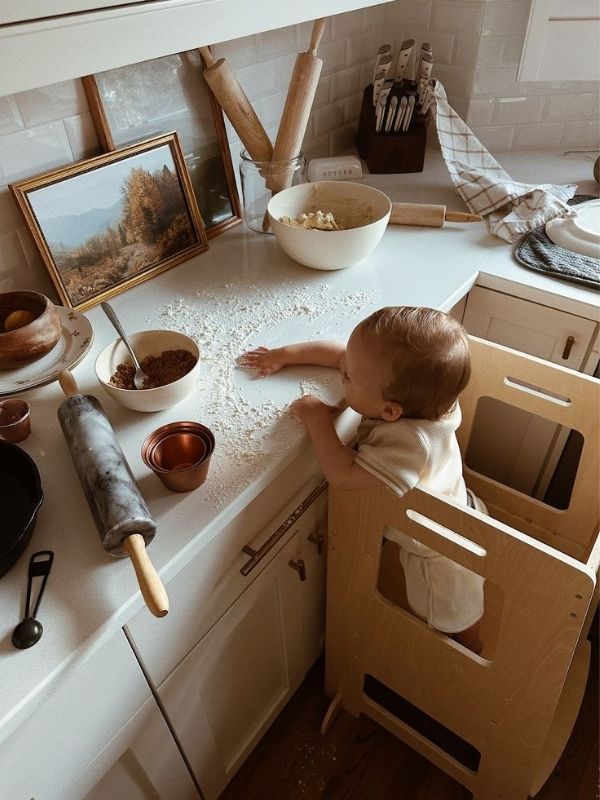
The kitchen is one of the best places for toddlers to learn through everyday experiences. While cooking may seem like an adult task, little hands love feeling involved. Giving your child safe, age-appropriate jobs can turn an ordinary afternoon into an exciting learning opportunity.
Start with simple responsibilities. Your toddler can wash fruits in a bowl of water, stir pancake batter with your help, sprinkle cheese on homemade pizza, tear lettuce for a salad, or place cupcake liners into a baking tray. Even something as simple as handing you ingredients can make them feel important.
As you cook together, talk about everything you’re doing. Name the vegetables, describe colors, count strawberries, or explain how ingredients change when they’re mixed together. These conversations naturally build vocabulary and introduce early math and science concepts.
Furthermore, cooking encourages patience because toddlers must wait for food to bake or cool before enjoying it. Although waiting can be difficult at first, it becomes an excellent opportunity to practice self-control.
Don’t worry if things get a little messy. A little spilled flour or a few dropped blueberries are all part of the learning process. Instead of aiming for perfection, focus on making the experience enjoyable.
Once the food is ready, celebrate your toddler’s hard work by enjoying the meal together. They’ll feel proud knowing they helped prepare something for the family.
7. Organize an Indoor Scavenger Hunt
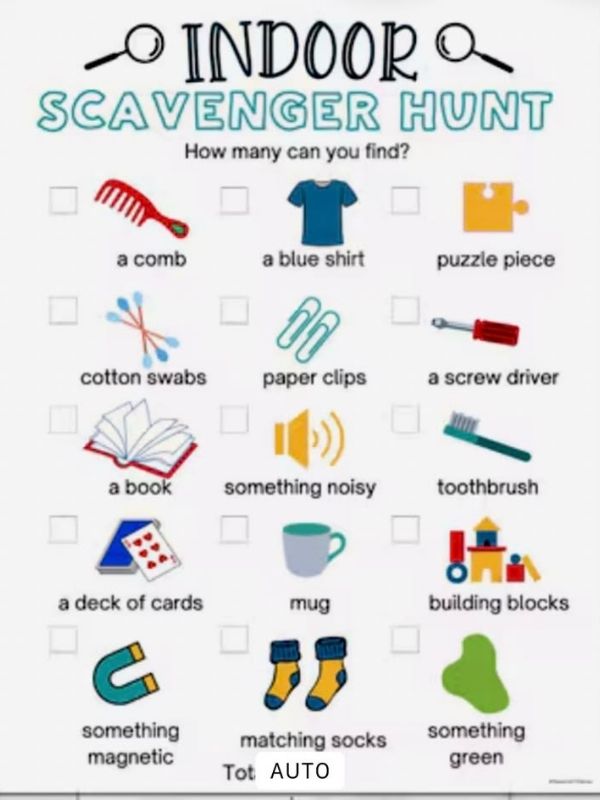
An indoor scavenger hunt is a simple activity that keeps curious toddlers moving while sharpening their observation skills.
Begin by choosing several familiar household objects. Depending on your child’s age, you can ask them to find things like:
- A red toy
- A stuffed animal
- A blue cup
- A favorite book
- A soft blanket
- A yellow block
For younger toddlers, give one clue at a time. Older toddlers may enjoy searching for several items before returning to you.
To make the game even more exciting, pretend your child is a treasure hunter on an important mission. Every item they find brings them one step closer to discovering the “hidden treasure,” which could simply be a sticker, a healthy snack, or extra story time.
Besides being fun, scavenger hunts encourage listening, memory, color recognition, and problem-solving. They also provide a wonderful opportunity to reinforce everyday vocabulary.
As your toddler becomes more confident, increase the difficulty by asking them to find objects based on size, texture, or shape. This keeps the activity fresh while supporting continued learning.
8. Blow and Chase Bubbles Indoors
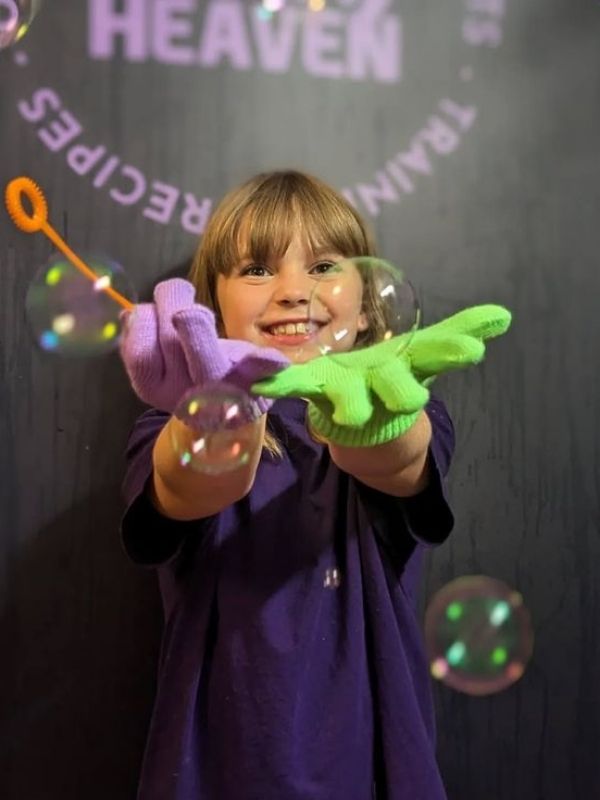
Who says bubbles are only for the backyard? With enough space and a little preparation, bubble play can become one of your toddler’s favorite indoor adventures.
Choose a room with easy-to-clean flooring and use a bubble solution designed for children. Blow bubbles into the air and encourage your toddler to pop them before they reach the ground.
Soon, the room will fill with giggles as little feet run, jump, stretch, and clap while chasing floating bubbles.
You can also make the activity more interactive by giving simple instructions.
Ask your toddler to:
- Pop the biggest bubble.
- Catch bubbles using only one finger.
- Blow bubbles gently.
- Count how many bubbles they can pop.
Meanwhile, talk about what the bubbles are doing. Are they floating high? Are they moving slowly? Which one is the biggest? These simple questions help build language skills while keeping the activity engaging.
Besides encouraging movement, bubble play develops hand-eye coordination, balance, and visual tracking. Better yet, it’s one of those activities that rarely loses its appeal.
Please keep Reading….. Don’t stop here ⬇️
9. Make Homemade Playdough Creations
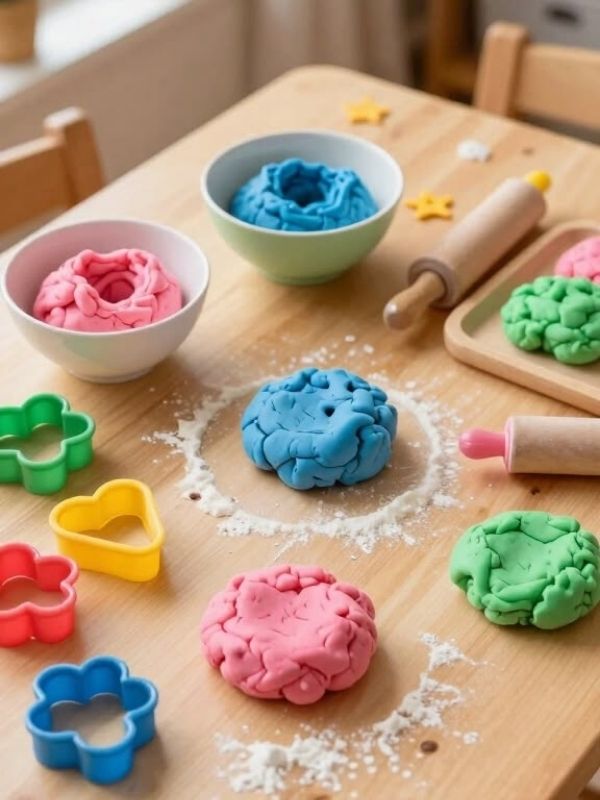
Playdough has remained a favorite childhood activity for generations because it offers endless possibilities for creative play.
Whether you use store-bought dough or make your own at home, toddlers enjoy squeezing, rolling, flattening, pinching, and shaping colorful dough into imaginative creations.
Provide simple tools like:
- Plastic cookie cutters
- Rolling pins
- Toy knives
- Large buttons for stamping
- Silicone baking molds
- Plastic cups
Soon, your toddler may create pretend cookies, colorful flowers, funny animals, tiny pizzas, or imaginative monsters.
Rather than directing every step, allow your child to decide what they’d like to make. Their imagination often leads to surprising ideas that build creativity and confidence.
At the same time, playdough strengthens the small muscles in children’s hands and fingers. These muscles are essential for future skills like writing, drawing, and using scissors.
Additionally, introduce learning opportunities by asking your child to create shapes, letters, or numbers using the dough.
Every play session becomes both educational and entertaining.
10. Create Story Baskets for Imaginative Play
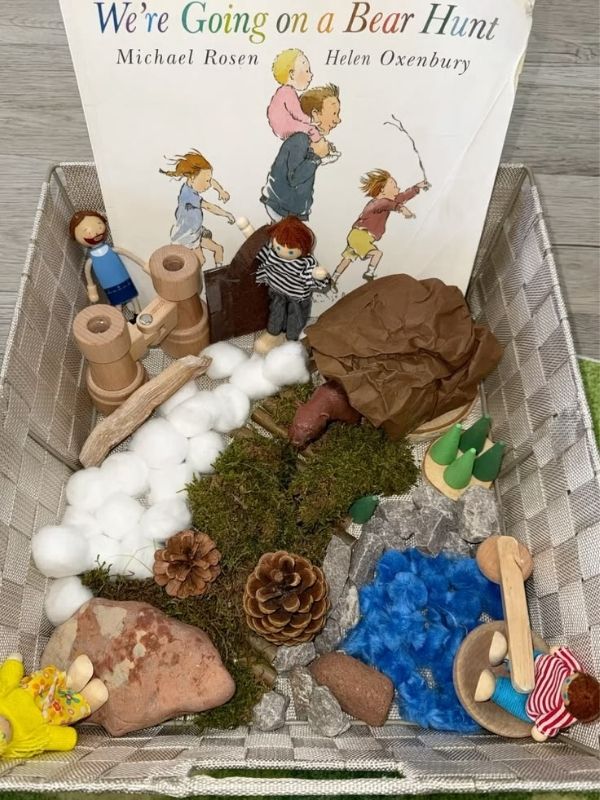
Reading books is wonderful, but bringing stories to life makes them even more magical.
A story basket combines a favorite children’s book with simple objects that match the story. This allows toddlers to interact with the characters while reading.
For example, if you’re reading a farm story, place toy animals, a small tractor, and a toy barn inside the basket. If the story features bears, include teddy bears, pretend honey pots, and forest-themed toys.
As you read each page, encourage your toddler to hold or move the matching toy. This helps children stay engaged while improving listening comprehension.
After finishing the story, let your child retell it using the toys. Don’t worry if they change the ending or invent new adventures. Creative storytelling strengthens language development and imagination.
Story baskets also encourage independent play. Long after reading time ends, many toddlers continue acting out scenes and creating entirely new stories on their own.
Most importantly, these shared reading experiences help build a lifelong love of books while creating warm family memories.
11. Set Up a Pretend Grocery Store
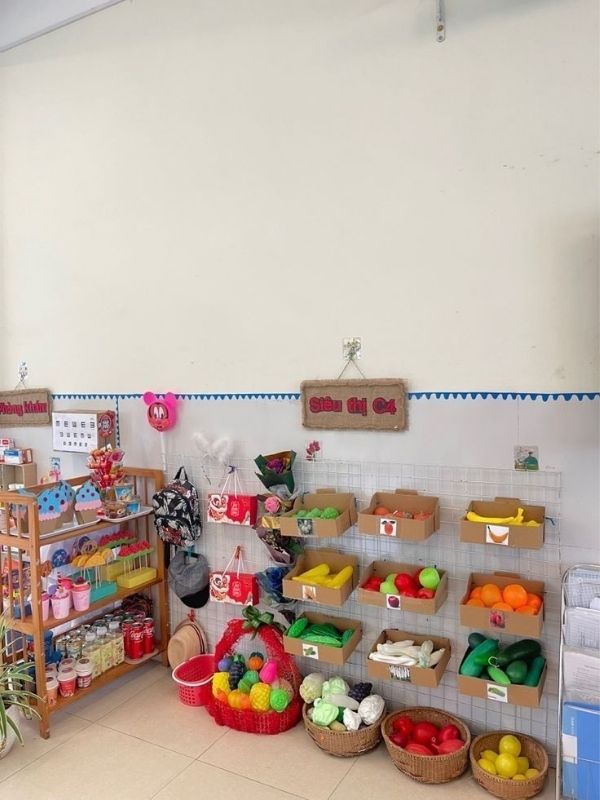
Toddlers love copying the grown-ups they see every day. That is why creating a pretend grocery store at home can provide hours of imaginative fun while teaching valuable life skills.
Start by collecting empty cereal boxes, clean yogurt containers, snack packets, plastic fruits, vegetables, and other child-safe kitchen items. Arrange them neatly on a small table, bookshelf, or even the floor to create tiny grocery aisles.
Next, give your toddler a reusable shopping bag or a small basket. If you have a toy cash register, great! If not, a small box and some homemade paper money work just as well.
Take turns being the customer and the cashier. Ask questions like:
- “Can you help me find the bananas?”
- “How much does the milk cost?”
- “Would you like a shopping bag?”
As your toddler places items into the basket, they naturally practice sorting, counting, identifying colors, and recognizing everyday foods. In addition, they begin to understand simple social interactions, such as greeting customers, saying “thank you,” and taking turns.
To make the game last longer, switch roles every few minutes. Your toddler will enjoy being in charge of the checkout line just as much as shopping.
Although the setup is simple, pretend grocery shopping encourages creativity, language development, and early math skills while making everyday routines feel exciting.
12. Have an Indoor Camping Adventure
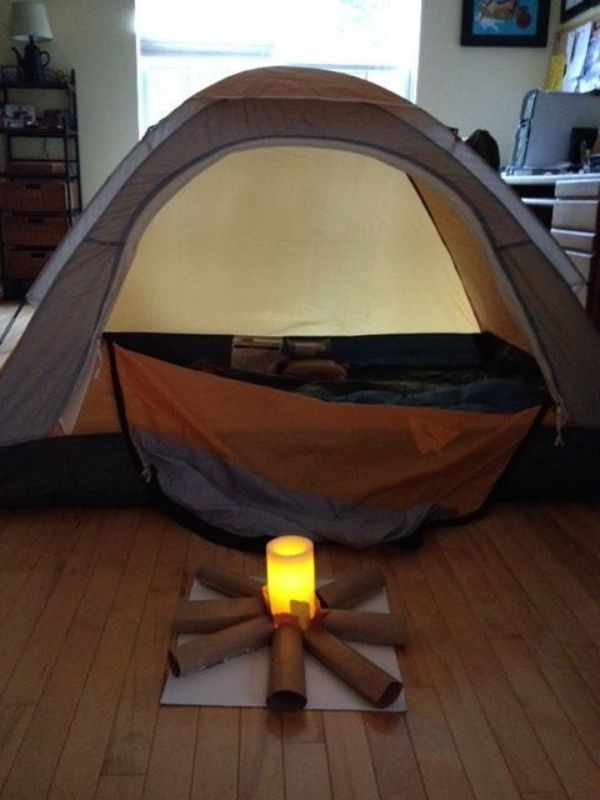
Who says camping has to happen outdoors? You can create an unforgettable camping experience without ever leaving your living room.
Begin by setting up a small tent if you have one. Alternatively, use blankets and chairs to build a cozy camping shelter. Spread out sleeping bags, soft blankets, and plenty of pillows to make the space inviting.
Once your campsite is ready, let the adventure begin.
Pack pretend camping essentials such as:
- Flashlights
- Stuffed animals
- Storybooks
- Plastic cups
- Small backpacks
- Toy binoculars
Turn off the main lights and use battery-operated lanterns or flashlights to create a camping atmosphere. Then gather inside your tent to read bedtime stories, sing songs, or tell simple made-up adventures.
If your toddler enjoys pretend play, imagine looking for forest animals, climbing pretend mountains, or watching imaginary stars through the tent roof.
You can even prepare picnic-style snacks like crackers, fruit slices, cheese cubes, and juice boxes to complete the experience.
Indoor camping encourages imagination while helping toddlers develop communication skills and creative thinking. Even better, it creates wonderful family memories that your child may remember for years.
13. Try Simple Toddler-Friendly Science Experiments
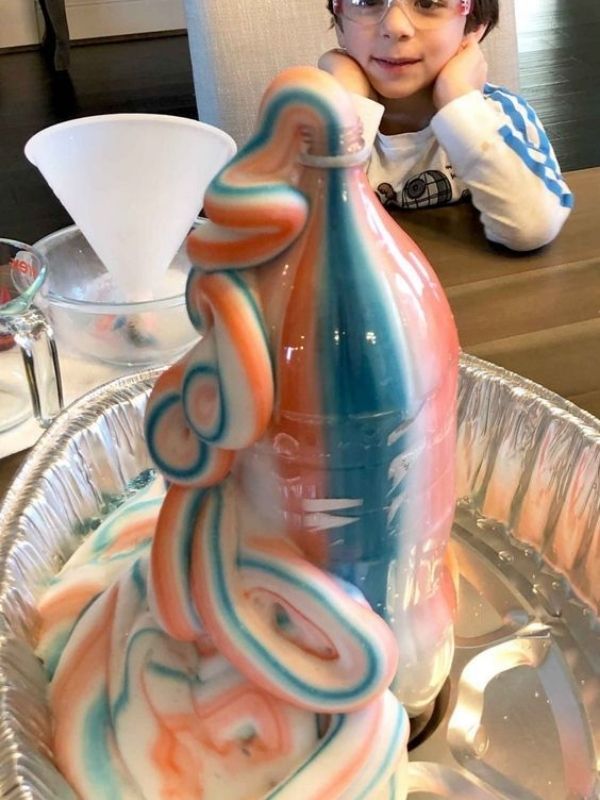
Science may sound advanced for toddlers, but many simple experiments introduce basic concepts in exciting and memorable ways.
Choose activities that are colorful, safe, and easy to understand.
For example, you can:
- Mix food coloring into water.
- Watch ice cubes melt.
- Float different objects in water.
- Explore magnets.
- Mix baking soda and vinegar under close supervision.
- Grow beans in a clear plastic cup.
As you complete each experiment, encourage your toddler to observe what happens.
Ask questions such as:
- “What do you think will happen next?”
- “Why do you think the ice is melting?”
- “Which toy floated?”
- “What color did we make?”
Rather than worrying about correct answers, focus on encouraging curiosity.
Science activities teach children that asking questions is part of learning. They also introduce important concepts like cause and effect, observation, prediction, and problem-solving.
Most importantly, these hands-on experiences make learning exciting instead of overwhelming.
14. Build Towers and Cities with Blocks
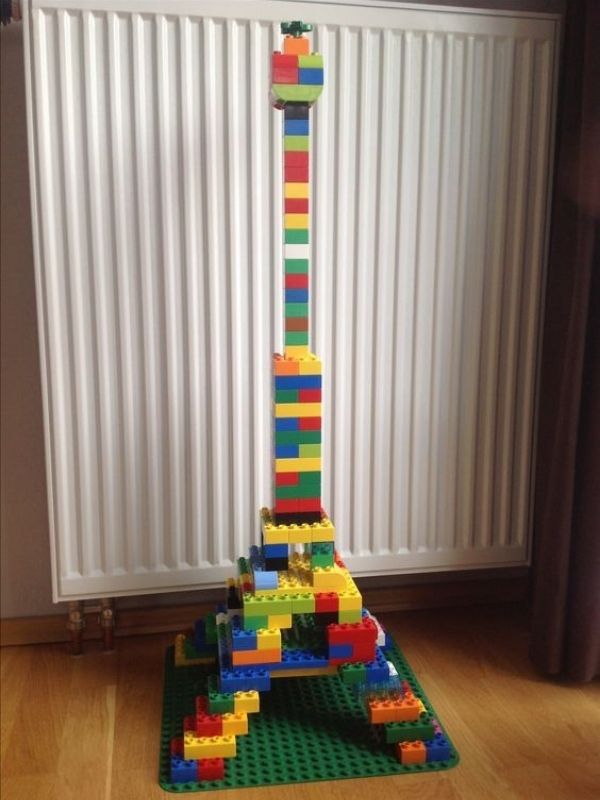
Building blocks remain one of the most valuable toys for young children because they encourage endless creativity.
Whether your family uses wooden blocks, foam blocks, magnetic tiles, or simple plastic building bricks, toddlers can spend long periods creating their own imaginative worlds.
Challenge your child to build:
- The tallest tower.
- A colorful castle.
- A tiny town.
- A bridge.
- A zoo for stuffed animals.
- A house for toy figures.
As the structures grow taller, your toddler naturally begins experimenting with balance and stability. Sometimes the tower falls over, and that’s perfectly okay.
Instead of becoming frustrated, children learn perseverance by rebuilding and trying different ideas.
You can also make building time more interactive by joining the fun. Perhaps you build one side of a castle while your toddler builds the other. Working together encourages teamwork and communication.
Furthermore, block play strengthens fine motor skills, hand-eye coordination, spatial awareness, and creative thinking.
Simple building sessions often become some of the longest-lasting activities during the day because children enjoy creating something entirely their own.
You may also like
15 Stylish Graduation Hairstyles for Long Locs
30 Graduation Gift Ideas for Him That Are Actually Worth Giving
10 Easy Christmas Desserts Your Guests Will Love
Christmas Buffet Table Ideas That Will Wow Your Guests
18 Trendy Graduation Dresses for Curvy Girls
15. Make Music with Homemade Instruments
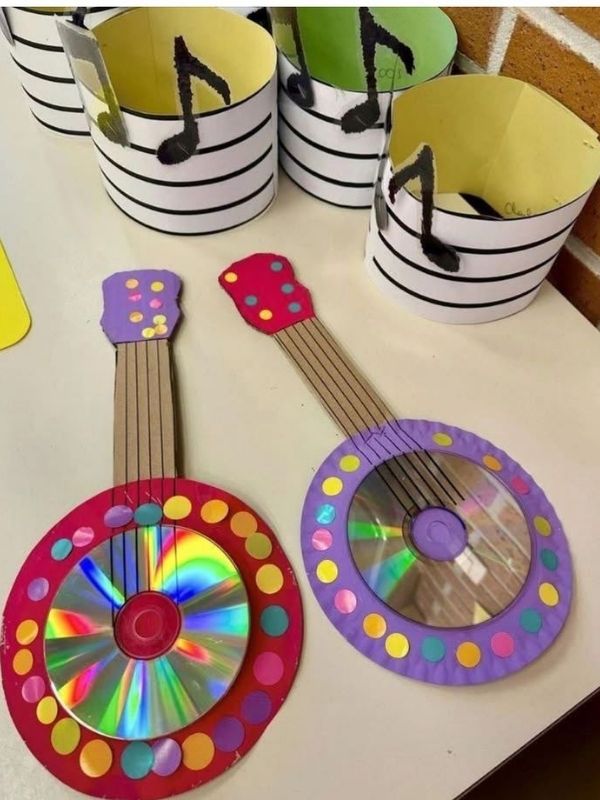
Music has a wonderful way of capturing a toddler’s attention while encouraging movement and self-expression.
Instead of buying expensive instruments, create your own using everyday household items.
For instance, you can make:
- Rice shakers using plastic bottles.
- Drum sets with empty containers.
- Wooden spoon drumsticks.
- Ribbon wands for dancing.
- Pot and pan percussion sets.
- Bell bracelets using craft supplies.
Once everything is ready, start your own family concert.
Play familiar nursery rhymes or children’s songs while your toddler shakes, taps, bangs, and dances along to the rhythm.
To make the activity even more educational, introduce musical games.
Try asking your child to:
- Play loudly.
- Play softly.
- Stop when the music stops.
- Clap fast.
- Clap slowly.
- Copy your rhythm.
These simple games strengthen listening skills while introducing concepts like tempo and volume.
Music also supports emotional development by allowing toddlers to express themselves freely. Whether they’re dancing across the room or happily tapping on a homemade drum, they’re building confidence with every beat.
Even after the music stops, your homemade instruments can become part of future pretend play, ensuring the fun continues throughout the week among all this 20 Fun Indoor Activities to Keep Toddlers Busy at Home All Day.
16. Create a Cardboard Box Adventure
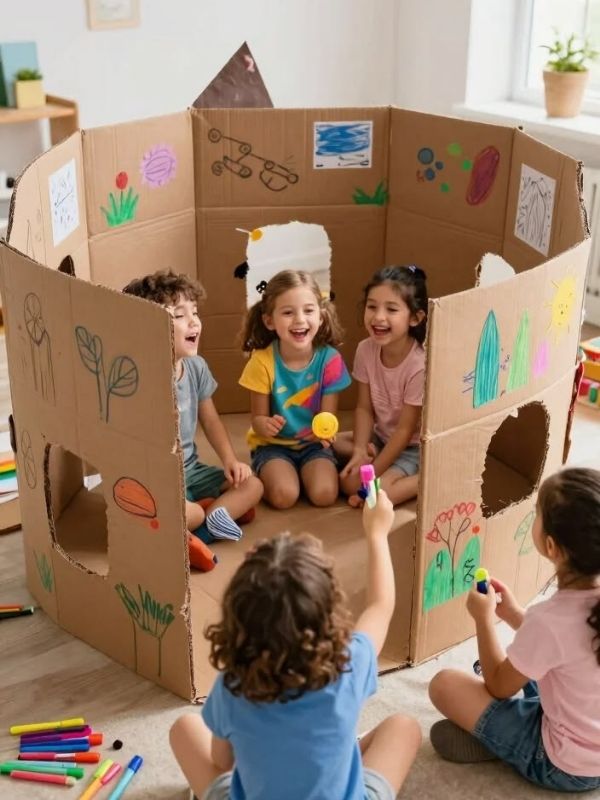
Before you recycle your next cardboard box, think about all the possibilities it holds. To a toddler, a simple box is never just a box. Instead, it can become almost anything their imagination creates.
Large boxes can transform into tiny houses, race cars, airplanes, pirate ships, or even magical castles. Meanwhile, smaller boxes can become garages for toy cars, homes for stuffed animals, or building blocks for a mini city.
Start by giving your toddler washable crayons, stickers, markers, or child-safe paint to decorate the box. Encourage them to add windows, doors, wheels, or colorful patterns. Although the finished creation may not look perfect, the process is what truly matters.
After decorating, let your child decide how to use their new creation. One moment they may be driving to the zoo, while the next they are flying through the clouds on an exciting adventure.
You can make the experience even more interactive by joining the story. Pretend to buy tickets for the airplane, deliver packages with the cardboard truck, or invite stuffed animals into the cardboard house for a tea party.
Besides encouraging imaginative play, cardboard box activities improve creativity, communication, and problem-solving skills. Since there are no rules, toddlers feel free to explore their own ideas while building confidence through play.
17. Practice Sorting and Matching Games
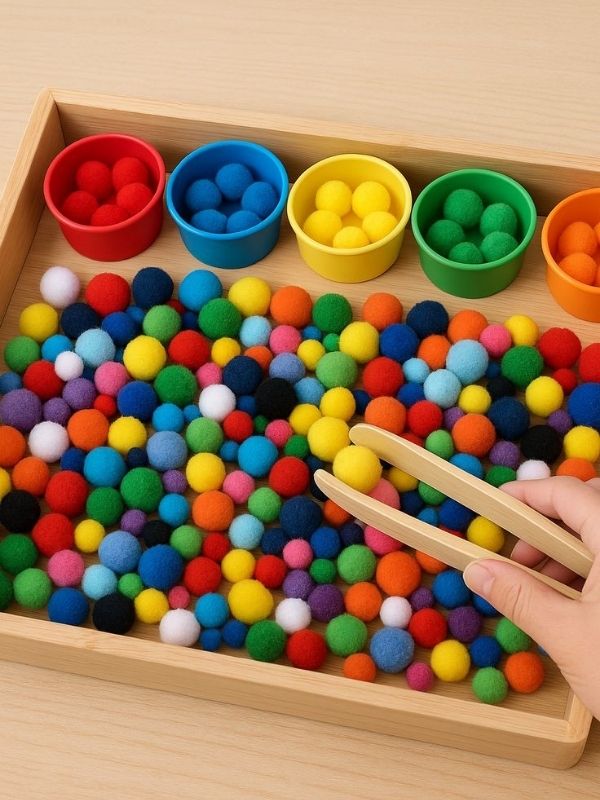
Simple sorting games are an excellent way to combine learning with fun. Better yet, you don’t need special educational toys to get started.
Gather everyday household items like colorful blocks, plastic cups, toy animals, socks, or large buttons. Then invite your toddler to sort them into different groups.
For example, they can sort by:
- Color
- Size
- Shape
- Type of object
- Texture
You might ask them to place all the red blocks together, match pairs of socks, or group toy animals according to where they live.
As your child becomes more confident, increase the challenge by asking questions throughout the activity.
For instance:
- Which pile has the most toys?
- Can you find another blue block?
- Which animal is the biggest?
- How many yellow cups do we have?
These conversations naturally introduce early math concepts while improving observation skills.
Moreover, sorting activities help toddlers develop concentration and logical thinking. Since they must carefully compare each object, they also strengthen their attention span.
The best part is that every collection of household items creates a brand-new game, making this activity easy to repeat throughout the year.
Check out our:
30 Back to School Hairstyles That Are Quick and Cute
20 Stunning Wedding Makeup Ideas Every Bride Will Love
25 Cute Back to School Nail Designs Teens Will Adore
15 Stunning Mother’s Day Dresses She’ll Love
12 Elegant Mother’s Day Jewelry Gifts for Moms
18. Enjoy Water Play Indoors
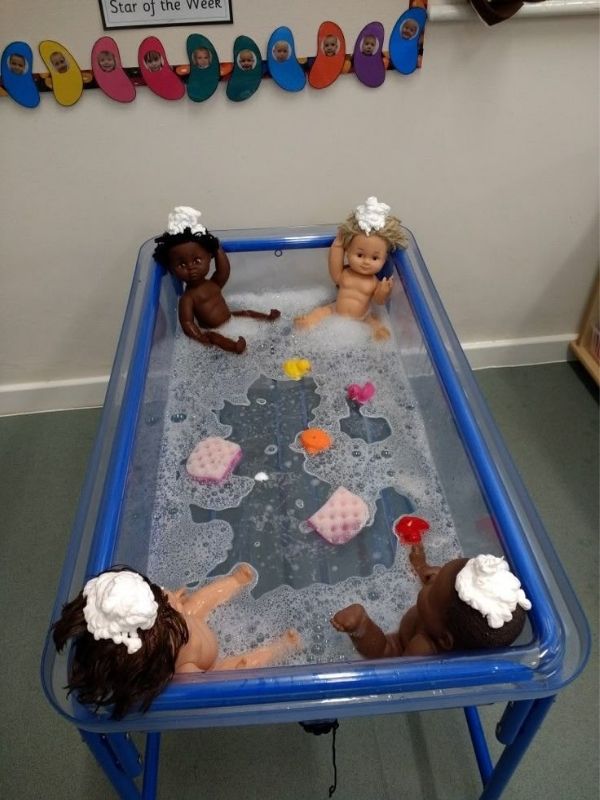
Water play is incredibly calming for many toddlers, making it a wonderful indoor activity when supervised carefully.
Place a large towel on the floor before setting out a shallow plastic tub filled with a small amount of lukewarm water. Add child-safe cups, measuring spoons, plastic bowls, floating toys, and small containers for pouring.
Soon, your toddler will happily explore filling, emptying, splashing, and pouring while discovering how water moves.
You can also introduce playful learning by asking your child to:
- Fill the biggest cup.
- Pour water into the smallest bowl.
- Find which toy floats.
- Count how many scoops fill a container.
These simple challenges build fine motor skills while introducing basic science and early math concepts.
If you’d like to make the activity even more exciting, add floating letters, colorful plastic balls, or toy boats.
Always stay within arm’s reach during water play, no matter how shallow the water is. Close supervision ensures your toddler remains safe while having fun.
Because water naturally captures children’s attention, this activity often keeps them happily engaged for much longer than expected among all this 20 fun indoor activities to keep toddlers busy.
19. Have a Teddy Bear Picnic
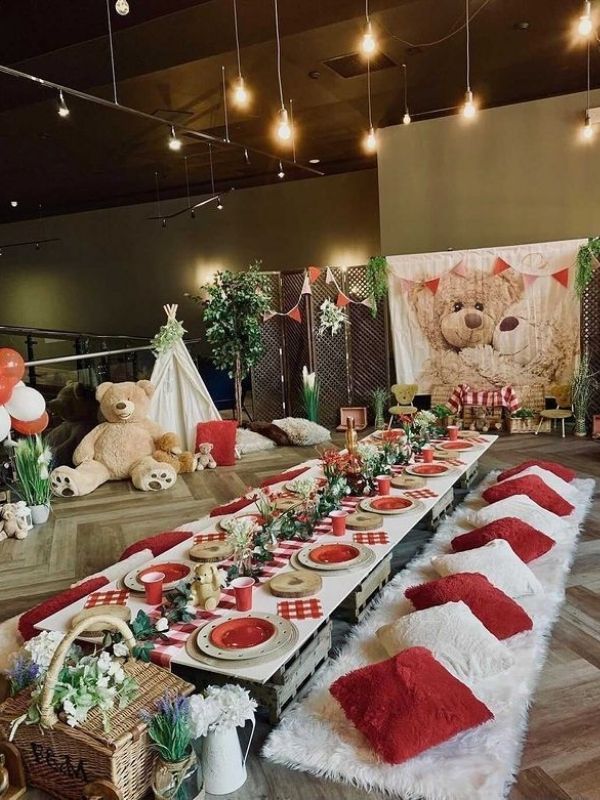
A teddy bear picnic is a delightful way to combine pretend play, storytelling, and snack time into one memorable activity.
Invite your toddler to gather their favorite stuffed animals, dolls, or plush toys. Then spread a blanket across the living room floor and arrange everyone in a circle.
Prepare simple toddler-friendly snacks such as:
- Apple slices
- Banana pieces
- Crackers
- Cheese cubes
- Mini sandwiches
- Water or milk
Encourage your child to “serve” each teddy bear before enjoying their own snack. Although the stuffed animals won’t actually eat, toddlers love pretending they do.
You can also ask your child to introduce each teddy bear by name or create funny personalities for them. One bear might love dancing, while another enjoys reading books.
After the picnic, continue the fun by singing songs, reading stories, or playing simple games together.
Pretend picnics encourage kindness, empathy, communication, and social development. At the same time, they help toddlers practice sharing and taking turns in a relaxed environment.
Even on rainy afternoons, this cheerful activity brings plenty of smiles.
20. End the Day with a Family Story and Puppet Show
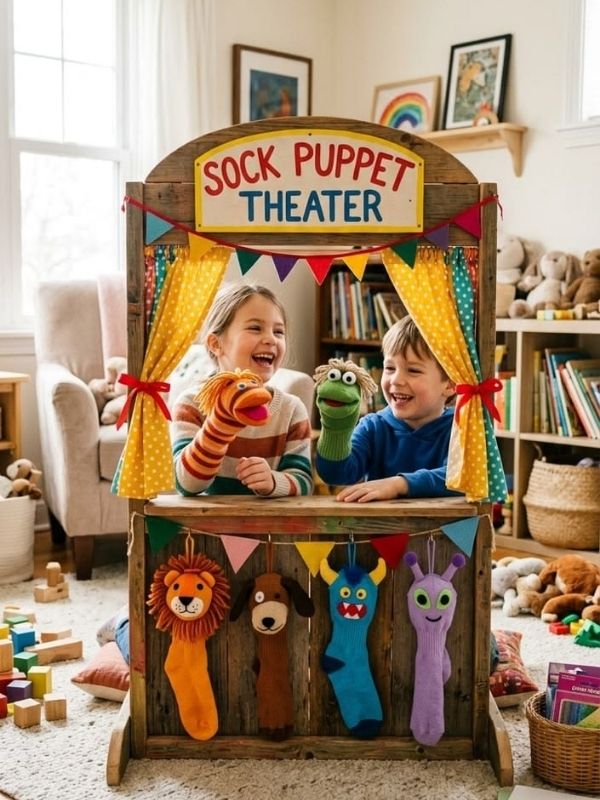
After a busy day filled with exciting activities, slow things down with a calming storytelling session.
Instead of simply reading a bedtime story, bring it to life using homemade puppets. Paper bags, socks, or even wooden spoons can easily become funny characters with a few markers and craft supplies.
Choose a favorite children’s book, then use different voices for each puppet as you tell the story. Your toddler will be fascinated by the moving characters and playful conversations.
Afterward, encourage your child to create their own story using the puppets. Don’t worry if the plot doesn’t make perfect sense. The goal is to let their imagination shine.
Puppet play supports language development, creativity, emotional expression, and confidence. It also encourages toddlers to communicate their thoughts through storytelling.
Ending the day with this quiet activity helps children transition from active play to bedtime more peacefully.
Most importantly, these special moments strengthen your family bond while creating lasting memories that your toddler will cherish.
Conclusion
Keeping a toddler entertained indoors doesn’t have to feel overwhelming. With a little creativity and a willingness to embrace playful moments, your home can become a place filled with learning, laughter, and adventure.
These 20 fun indoor activities to keep toddlers busy at home all day prove that meaningful play doesn’t require expensive toys or elaborate planning. From building blanket forts and creating cardboard adventures to dancing, crafting, sorting, and pretending, every activity supports your child’s growth while making everyday life more enjoyable.
Remember, toddlers don’t expect perfection. What they value most is spending time with the people they love. Even the simplest activity can become an unforgettable memory when it’s shared with patience, encouragement, and plenty of smiles.
The next time you’re wondering how to fill a long day at home, come back to these 20 fun indoor activities to keep toddlers busy at home all day and try something new. You may discover that the best adventures are the ones that happen right in your own living room. Which one of these 20 Fun Indoor Activities to Keep Toddlers Busy at Home All Day are you trying first.