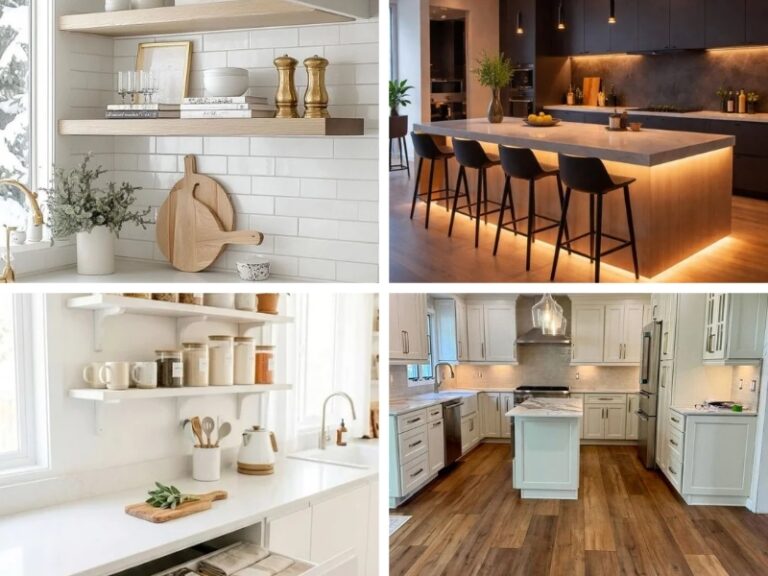
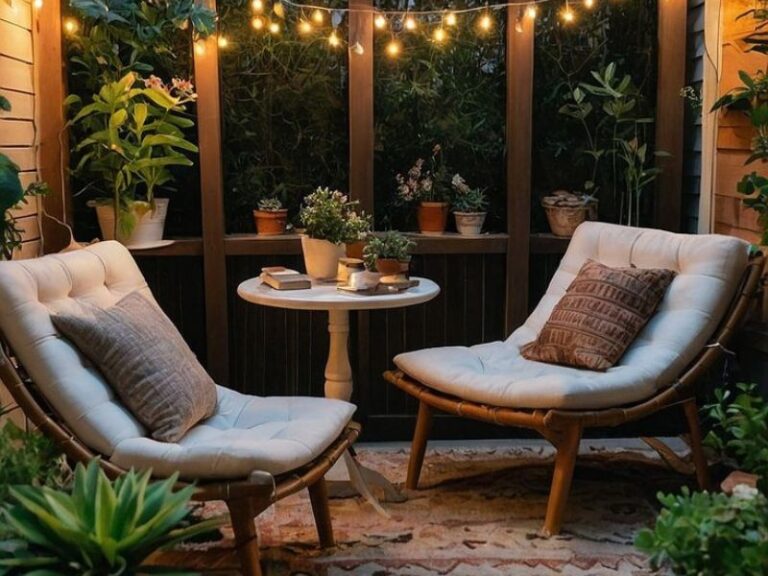
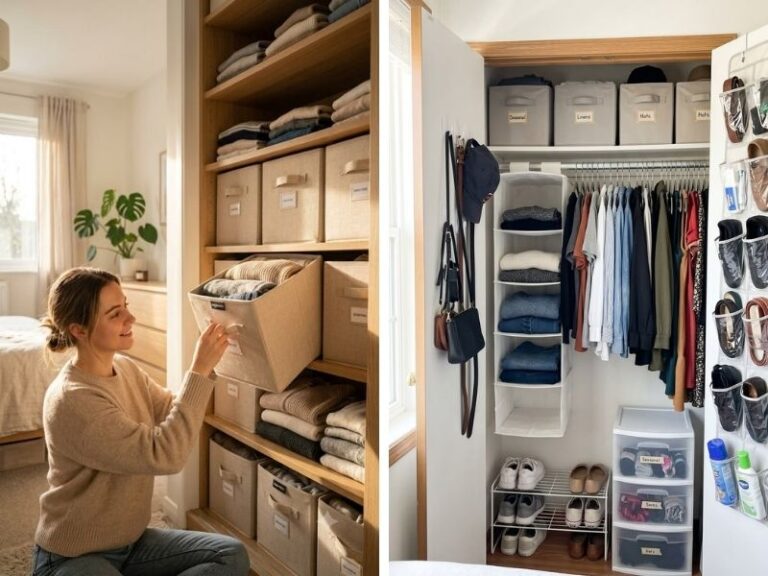
15 Modern Farmhouse Interior Ideas for a Cozy Home Look
This Post Will Show You 15 Modern Farmhouse Interior Ideas for a Cozy Home Look.
Home begins to feel different when warmth is woven into the little details. Not the kind of warmth that comes from perfectly styled shelves or expensive furniture, but the kind that settles softly into a room and makes you want to stay a little longer. A cozy home has a quiet presence. It feels welcoming without trying too hard, lived-in without feeling cluttered, and beautiful in a way that feels deeply comforting.
Modern farmhouse interiors have continued to resonate with so many people because they balance simplicity with softness. Clean lines meet natural textures. Old charm blends gently with modern comfort. The result is a home that feels calm, grounded, and timeless all at once.
What makes this style even more special is how personal it can become. You don’t need to live in the countryside or own a large home to create that warm farmhouse atmosphere. Small details, thoughtful textures, and intentional styling can completely shift the feeling of your space.
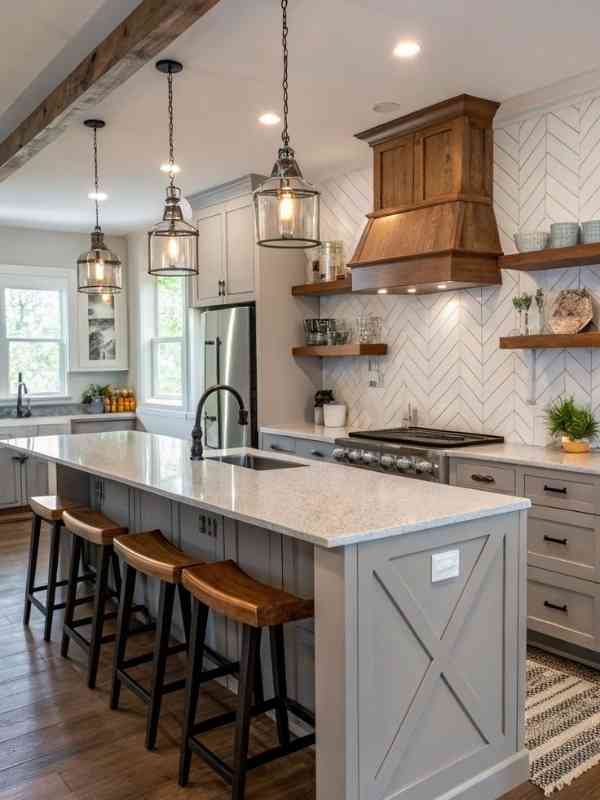
If you’ve been craving a home that feels both stylish and comforting, these 15 modern farmhouse interior ideas will help you create a cozy look that feels effortless and inviting every single day.
Below are 15 Modern Farmhouse Interior Ideas:
15 Modern Farmhouse Interior Ideas for a Cozy Home Look
1. Layer Neutral Tones Throughout Your Home for a Soft and Timeless Farmhouse Atmosphere
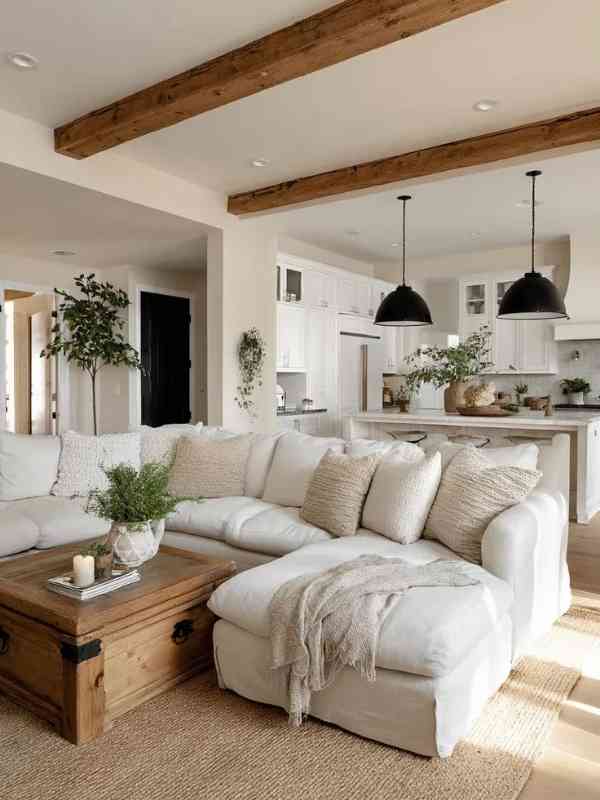
Modern farmhouse interiors often begin with a neutral foundation because soft tones naturally create a calming environment. Shades like warm white, creamy beige, soft taupe, muted greys, and earthy browns work together to make a space feel open yet comforting.
Instead of relying on one flat color throughout your home, layering neutrals creates depth and warmth. A white wall paired with oatmeal linen curtains, a textured beige rug, and warm wooden furniture feels far more inviting than a room filled with stark contrasts. The softness of these tones allows each texture to stand out quietly without overwhelming the space.
At the same time, neutral palettes make your home feel timeless. Trends tend to shift quickly, yet warm earthy tones continue to feel comforting year after year. This creates a home that feels settled rather than constantly changing.
Adding subtle variations in tone also keeps the room from feeling cold. Warm undertones are especially important in farmhouse interiors because they soften the clean modern elements and make everything feel more welcoming.
Check out our 16 Beautiful Wooden Range Hood Ideas to Elevate Your Kitchen Design
Over time, these layered neutrals begin to create a sense of calm that gently carries through every room in the home.
2. Incorporate Natural Wood Elements That Bring Warmth and Character Into Every Space
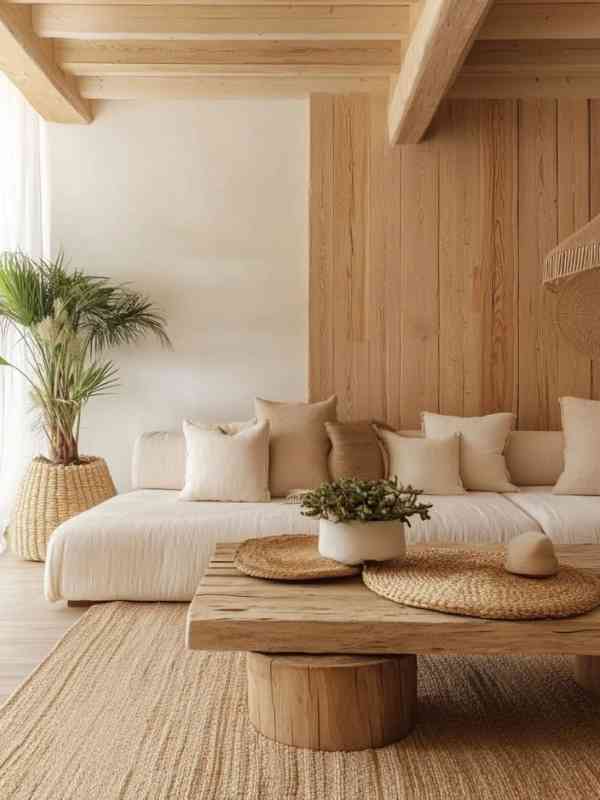
Wood is one of the defining elements of modern farmhouse design because it instantly adds warmth and depth. Even in a modern setting, natural wood introduces a sense of history and comfort that makes a home feel grounded.
This doesn’t mean every piece needs to look rustic or heavily distressed. In fact, modern farmhouse interiors often work best when the wood feels balanced and intentional. Light oak coffee tables, reclaimed wood shelves, exposed ceiling beams, or warm walnut dining chairs can completely transform the atmosphere of a room.
What makes wood especially beautiful is its ability to soften modern finishes. Clean white walls and sleek black fixtures can sometimes feel sharp on their own, yet adding natural wood tones creates harmony and warmth.
Additionally, each wood grain carries subtle imperfections that make the home feel lived-in and authentic. These details prevent spaces from feeling overly polished or sterile.
Even smaller touches like wooden trays, cutting boards, or picture frames can quietly bring that cozy farmhouse feeling into your home without requiring a full renovation.
3. Choose Cozy Linen and Cotton Fabrics That Make Your Home Feel Soft and Relaxed
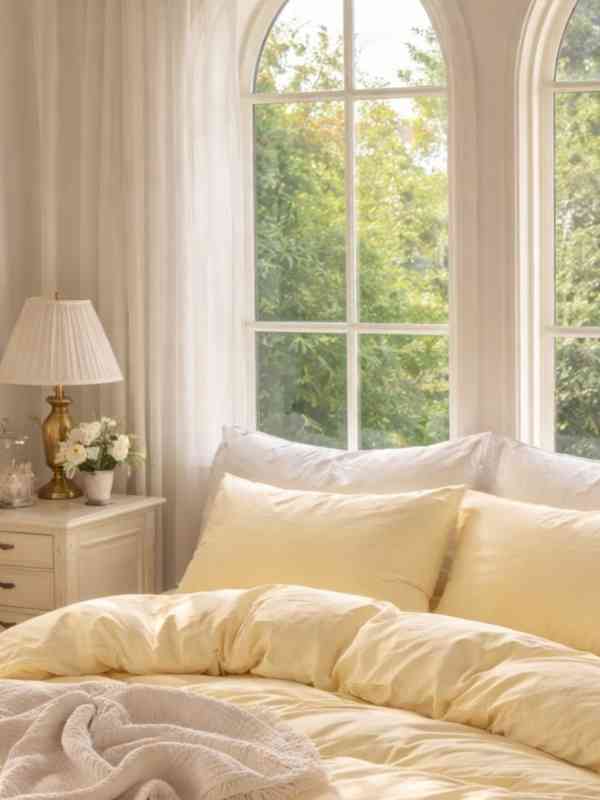
Modern farmhouse interiors feel inviting because they prioritize comfort as much as style. One of the easiest ways to achieve this look is through soft, natural fabrics that create warmth without feeling heavy.
Linen curtains gently filtering sunlight through a room can completely change the mood of a space. Similarly, cotton throw blankets draped casually over a sofa add softness that feels effortless rather than staged.
Layering different textiles also creates visual comfort. A chunky knit throw beside soft linen cushions and woven fabrics adds depth while still maintaining a relaxed atmosphere.
Unlike overly shiny or synthetic materials, natural fabrics age beautifully over time. Slight wrinkles in linen or softened cotton textures actually add to the charm of farmhouse interiors because they make the space feel lived-in and approachable.
These small fabric choices quietly encourage rest and comfort, which is exactly what makes a home feel cozy.
4. Add Black Metal Accents to Create Contrast Without Losing Warmth
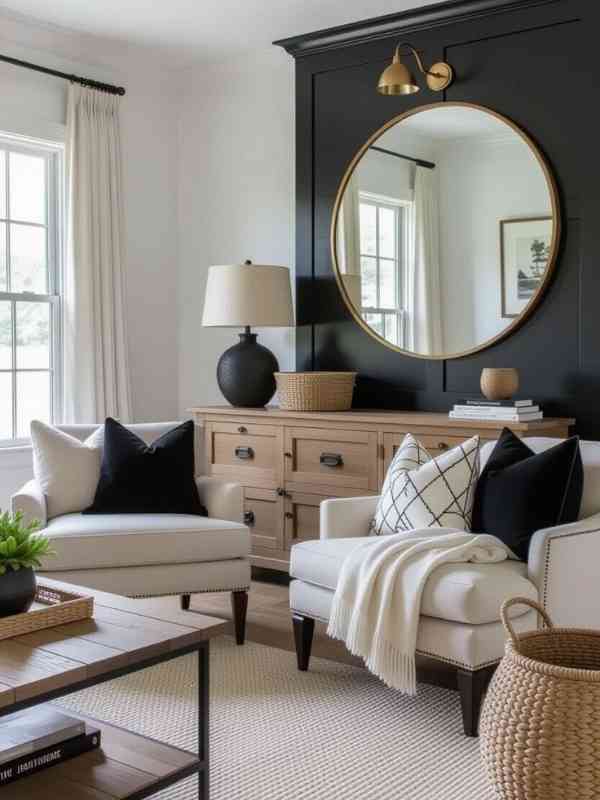
Modern farmhouse interiors rely heavily on balance. While soft textures and warm tones create coziness, black metal accents introduce contrast that keeps the space feeling modern and refined.
Simple black light fixtures, cabinet handles, curtain rods, or dining chair frames can anchor a room beautifully. They provide structure without overwhelming the softness of the design.
The key is moderation. Too much black can make a room feel harsh, yet subtle accents create depth and visual interest. This contrast allows lighter elements to stand out even more while maintaining a clean aesthetic.
Black-framed mirrors and windows are especially popular because they add definition while still feeling timeless.
When paired with warm wood and neutral fabrics, black accents help create the perfect balance between modern simplicity and farmhouse comfort.
5. Style Open Shelving in a Way That Feels Collected Instead of Cluttered
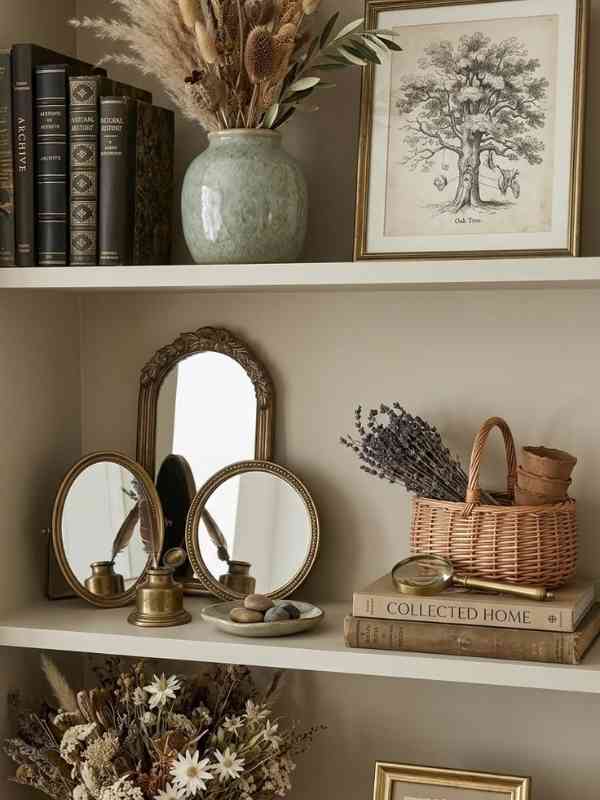
Open shelving has become a signature feature in many farmhouse-inspired homes because it creates an airy and welcoming feel. However, the secret lies in styling it thoughtfully rather than overcrowding it.
Farmhouse shelves tend to feel cozy when they include a mix of practical and decorative pieces. Neutral dishes, ceramic bowls, small plants, woven baskets, and vintage-inspired decor create a layered look that still feels calm.
Leaving empty space between items is equally important. This allows each piece to breathe visually and prevents the shelves from appearing chaotic.
At the same time, displaying items you genuinely use helps the space feel authentic rather than overly styled. Everyday pieces often create the most beautiful farmhouse moments because they reflect real life.
The result is a home that feels curated yet relaxed.
6. Use Soft Warm Lighting to Create an Inviting Evening Atmosphere
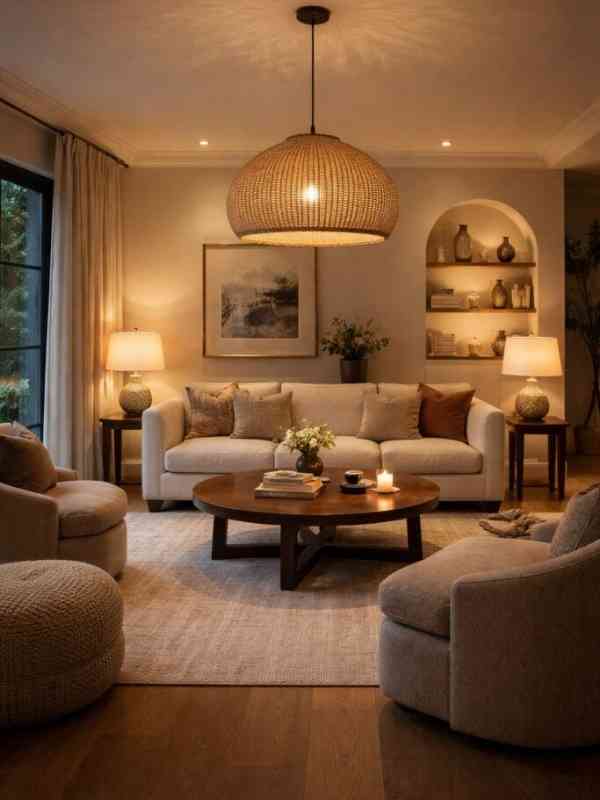
Lighting has an enormous influence on how a home feels, especially in farmhouse interiors where warmth is essential.
Bright overhead lights can make even the coziest room feel cold. Instead, layered warm lighting creates softness and comfort. Table lamps, wall sconces, pendant lights, and candles all contribute to a more relaxed atmosphere.
Warm-toned bulbs are especially important because they mimic the soft glow of natural evening light. This instantly makes your home feel more intimate and calming.
Additionally, farmhouse lighting often incorporates materials like aged brass, matte black metal, or glass shades, which add character while maintaining simplicity.
As evening settles in, soft lighting transforms your home into a space that feels peaceful and restorative.
7. Bring in Vintage-Inspired Decor Pieces That Add Soul and Personality
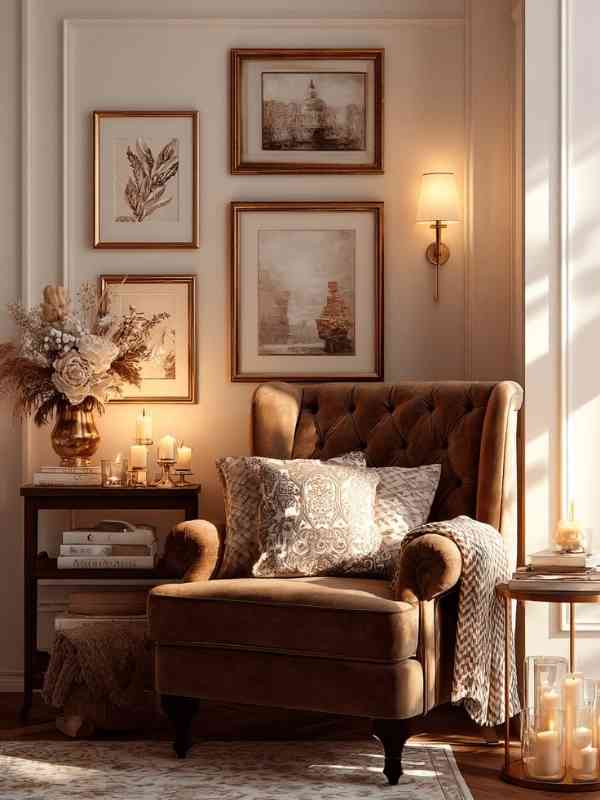
One reason farmhouse interiors feel comforting is because they rarely feel overly perfect. Vintage-inspired pieces add character and create the sense that a home has been thoughtfully lived in over time.
This could be an antique mirror, an old wooden bench, weathered picture frames, or ceramic pitchers displayed on open shelves. These details quietly tell a story and make the space feel personal.
Mixing old and new pieces also prevents your home from looking too uniform. Modern furniture paired with vintage accents creates warmth and visual depth.
More importantly, these items often carry emotional comfort because they feel familiar and nostalgic.
8. Create a Cozy Living Room Layout That Encourages Conversation and Relaxation
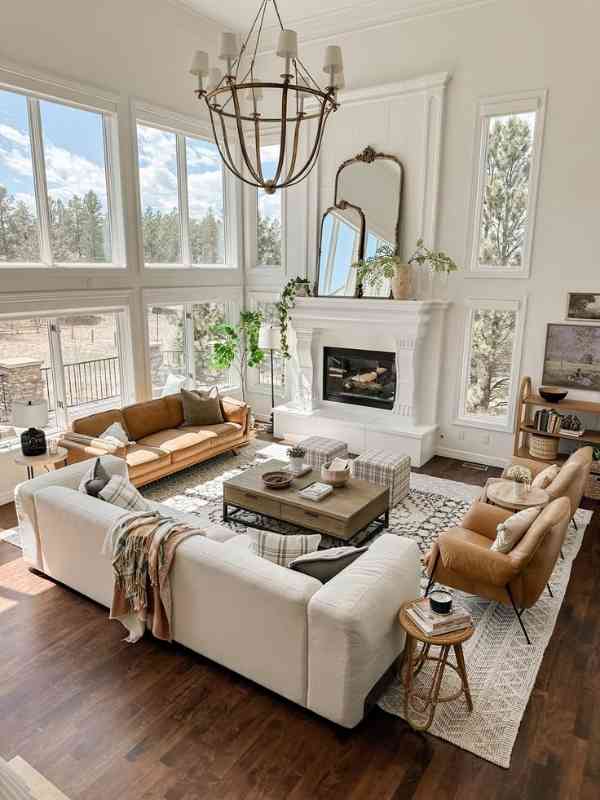
Farmhouse interiors prioritize comfort over formality, which is why furniture placement matters so much.
Arrange seating in a way that encourages conversation and connection rather than simply facing a television. Sofas and chairs positioned closer together naturally create intimacy and warmth.
Adding layered pillows, soft throws, and textured rugs further enhances the cozy atmosphere.
Even in smaller living rooms, thoughtful layouts can make the space feel more inviting and functional.
9. Use Shiplap or Textured Walls to Add Quiet Farmhouse Character

Textured walls are often associated with farmhouse interiors because they subtly add depth without overwhelming the room.
Shiplap remains especially popular because of its clean yet rustic feel. Painted in warm white or soft neutral tones, it creates visual interest while maintaining simplicity.
However, farmhouse texture doesn’t have to stop at shiplap. Limewash paint, beadboard, or subtle wall paneling can also introduce softness and character.
These details quietly elevate the room while keeping the overall atmosphere calm and cozy.
10. Decorate Your Kitchen With Functional Pieces That Still Feel Beautiful
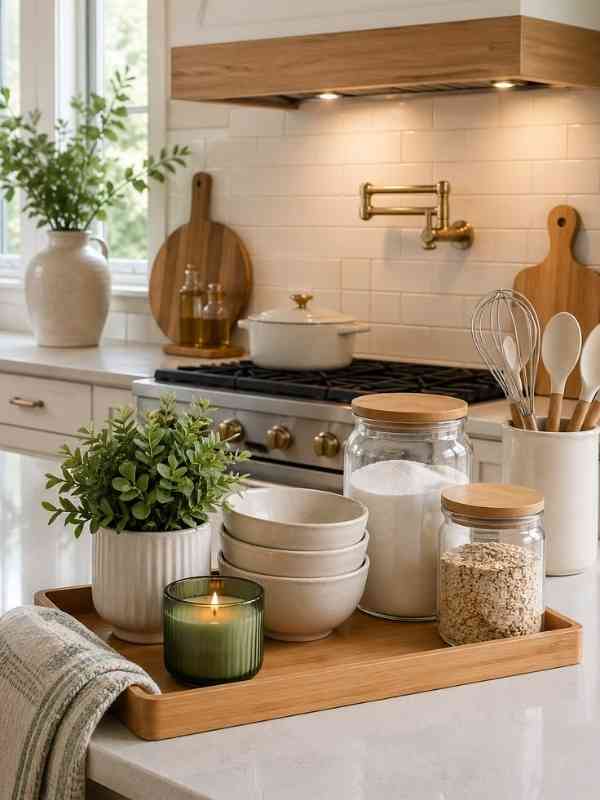
Modern farmhouse kitchens feel welcoming because they balance beauty with practicality. Everyday items often become part of the decor itself.
Wooden cutting boards leaning against the backsplash, ceramic canisters on open shelves, or woven baskets filled with produce all create warmth naturally.
This style avoids excessive decoration and instead focuses on useful pieces that also happen to be visually pleasing.
As a result, the kitchen feels lived-in, functional, and deeply comforting.
11. Layer Different Textures to Make Every Room Feel Richer and More Comfortable
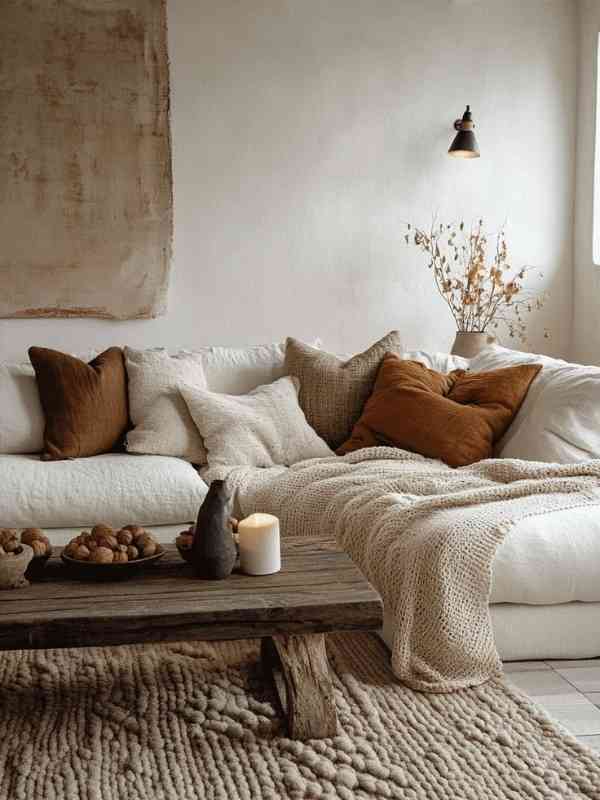
Texture is what gives farmhouse interiors their cozy depth. Without it, even beautiful spaces can feel flat or unfinished.
Mixing textures like woven baskets, linen curtains, chunky knit blankets, distressed wood, and soft upholstery creates warmth through contrast.
These layers make the room feel dynamic while still maintaining softness. Additionally, texture helps neutral spaces feel interesting without relying on bold colors.
When thoughtfully combined, textures create an atmosphere that feels comforting on every level.
12. Add Greenery and Natural Branches for a Fresh Organic Touch

Plants bring life into farmhouse interiors in a way that feels effortless and grounding.
Simple greenery like eucalyptus branches, olive stems, or potted plants can soften shelves, tables, and corners beautifully.
Natural elements create movement and freshness while balancing heavier materials like wood and metal.
Even a single vase with fresh branches can make an entire room feel calmer and more connected to nature.
13. Use Cozy Rugs to Warm Up Hardwood or Neutral Flooring
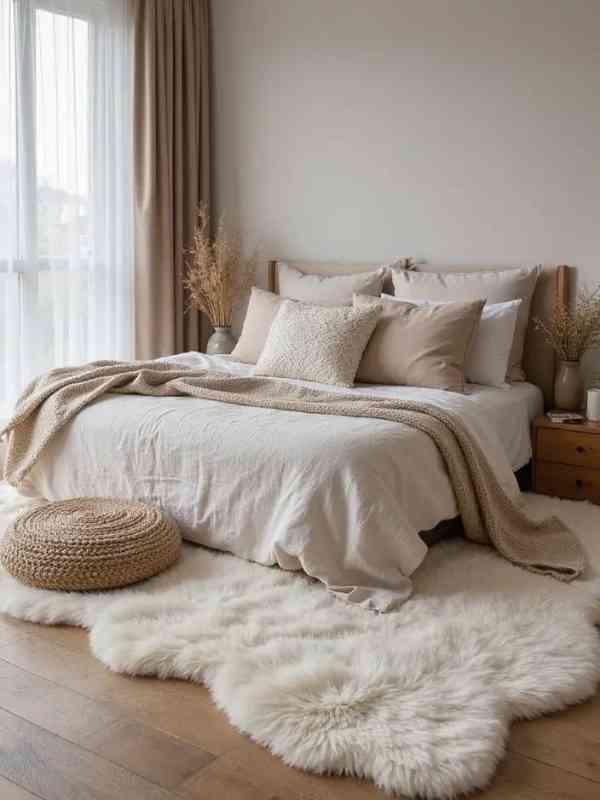
Rugs play a major role in farmhouse interiors because they add both visual and physical warmth.
Layered rugs, vintage-inspired patterns, or soft neutral woven designs can instantly make a room feel more inviting.
Large rugs also help define spaces and create a sense of comfort underfoot. This is especially important in open-concept homes where rooms need gentle separation.
The softness rugs provide helps balance harder surfaces and makes the home feel more relaxed overall.
14. Keep Decor Minimal Yet Meaningful to Avoid a Cluttered Look
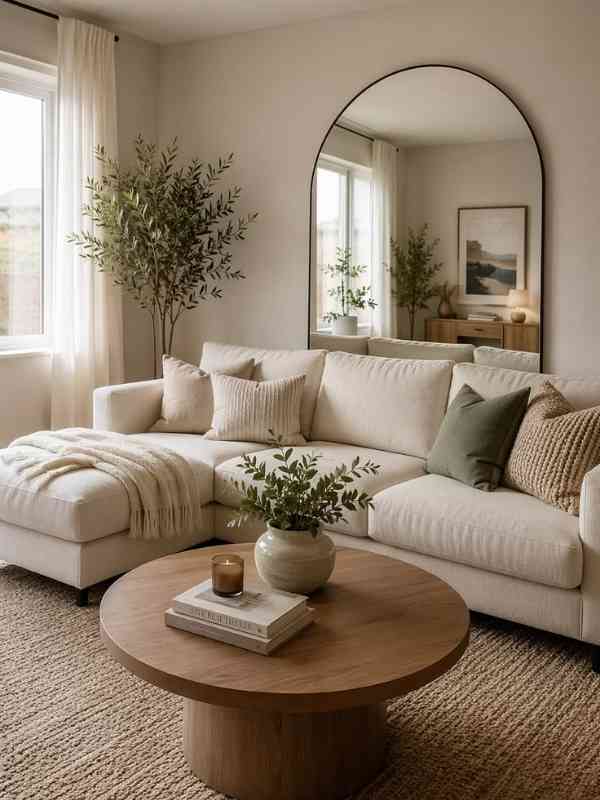
One of the most beautiful aspects of modern farmhouse style is its simplicity. Cozy doesn’t mean overcrowded.
Instead of filling every corner with decor, focus on meaningful pieces that genuinely add warmth to the room. A stack of books, a candle, framed family photos, or handmade pottery often feels more impactful than excessive styling.
Negative space also plays an important role. Leaving certain areas uncluttered allows the room to breathe visually.
This balance helps your home feel peaceful rather than overwhelming.
15. Create Quiet Cozy Corners Throughout Your Home for Everyday Comfort
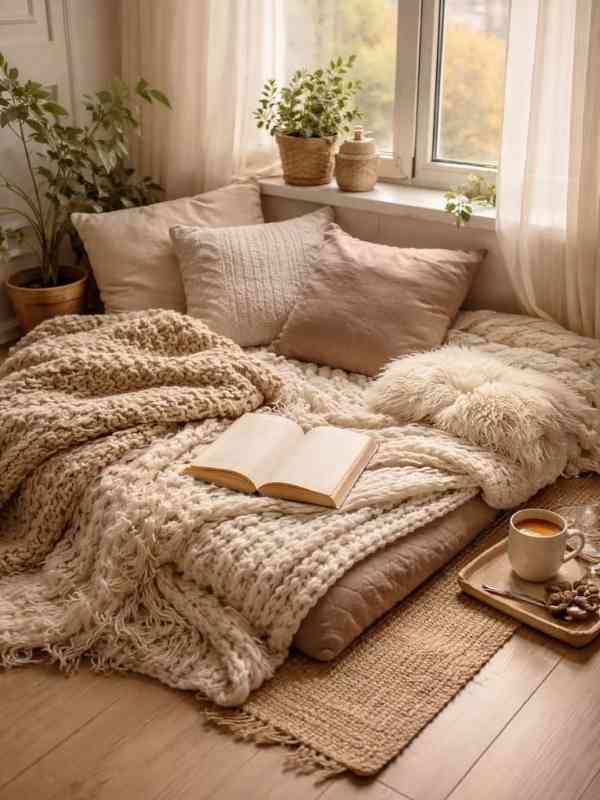
Some of the most memorable farmhouse interiors include small corners designed purely for comfort.
A reading chair beside a lamp, a bench near a window, or a small breakfast nook with soft cushions can become spaces that quietly invite rest.
These cozy corners don’t need elaborate styling. In fact, simplicity often makes them feel even more welcoming.
What matters most is the feeling they create—a sense of pause within the busyness of daily life.
Over time, these little spaces often become the heart of the home because they encourage stillness, comfort, and connection.
FAQs About 15 Modern Farmhouse Interior Ideas
1. What colors work best for a modern farmhouse interior?
Warm neutrals like creamy whites, beige, soft greys, and earthy browns work beautifully in modern farmhouse interiors because they create a calm and cozy atmosphere.
2. How do I make my home look farmhouse without renovating?
You can incorporate farmhouse style through decor, natural wood accents, cozy fabrics, warm lighting, and vintage-inspired pieces without making major structural changes.
3. Is modern farmhouse style still popular?
Yes, modern farmhouse interiors remain popular because they combine timeless comfort with clean, modern simplicity.
4. What materials are commonly used in farmhouse interiors?
Wood, linen, cotton, metal, wicker, and natural stone are commonly used to create warmth and texture in farmhouse spaces.
Conclusion
These 15 Modern farmhouse interior.continue to resonate because they offer more than just a decorating style. They create a feeling. A sense of warmth that softens the pace of everyday life and makes home feel deeply comforting.
The beauty of this style lies in its balance. Clean modern elements blend effortlessly with rustic textures, creating spaces that feel timeless, welcoming, and personal.
As you begin incorporating these ideas into your own home, you may notice subtle shifts. Rooms may start to feel calmer. Evenings may feel softer. Ordinary moments may begin to carry a little more warmth.
And often, that’s what truly makes a house feel cozy—not perfection, but the quiet comfort woven into every corner.