
This Post Will Show You 15 Realistic Stay-at-Home Mom Routine Ideas That Actually Work.
Morning light doesn’t always arrive gently when you’re a stay-at-home mom. Some days begin with quiet stretches and soft breathing, while others start with tiny footsteps, scattered toys, and a to-do list already forming in your mind before you’ve even left the bed. In between those moments, you’re expected to manage a home, nurture your children, and somehow find space for yourself too.
It can feel overwhelming when routines online look perfectly structured, almost untouched by real life. However, real routines aren’t rigid. They bend, shift, and adjust to the rhythm of your home. They work not because they’re perfect, but because they’re practical enough to return to, even on the messy days.

If you’ve been craving a sense of rhythm without pressure, these realistic stay-at-home mom routine ideas are designed to support your daily life in a way that actually feels doable. Not forced. Not overwhelming. Just gently structured.
Below are 15 Realistic Stay-at-Home Mom Routine Ideas That Actually Work:
15 Realistic Stay-at-Home Mom Routine Ideas That Actually Work
1. Start Your Morning Before the House Fully Wakes Up, Even If It’s Just a Few Minutes

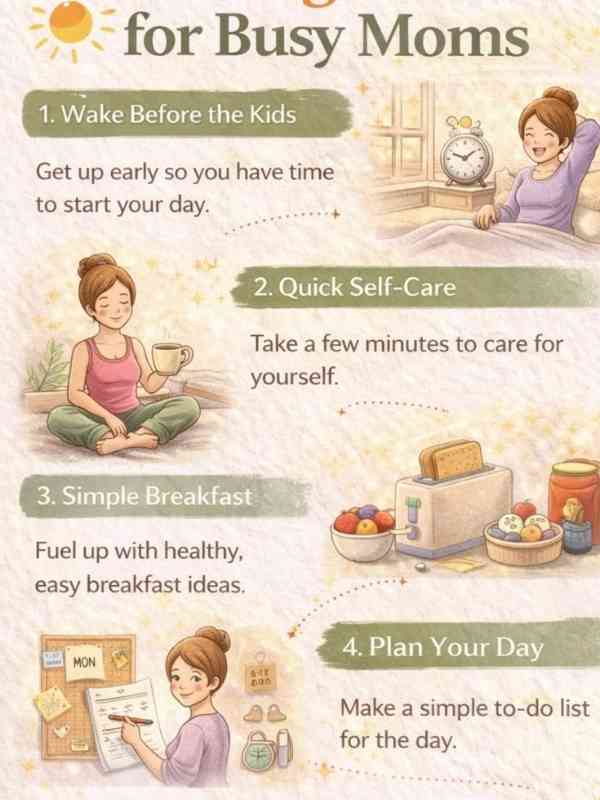
The early morning holds a kind of quiet that becomes rare once the day begins. Waking up even 10–15 minutes before your children can give you a small window to gather yourself.
You don’t need to fill that time with productivity. Instead, let it be slow and intentional. You might sit with a warm drink, say a short prayer, stretch lightly, or simply breathe in the stillness.
This moment helps you begin the day from a place of calm rather than reaction. Although it may not happen every day, when it does, it creates a noticeable difference in how everything else unfolds.
2. Anchor Your Day Around Simple Non-Negotiables Instead of a Packed Schedule
A routine becomes overwhelming when every hour is accounted for. On the other hand, having a few anchor points can create structure without pressure.
These anchors might include breakfast time, nap time, outdoor play, and bedtime. Everything else can flow in between.
By focusing on what must happen rather than trying to control everything, your day becomes more flexible. And when flexibility exists, it becomes easier to adjust without feeling like you’ve fallen behind.
3. Get Ready for the Day, Even If You’re Staying Home

It’s easy to remain in sleepwear all day, especially when you’re not heading out. Still, getting dressed—even in something simple and comfortable—can shift your mindset.
This small act signals the beginning of the day. It creates a boundary between rest and activity, helping you feel more prepared for whatever comes.
At the same time, it doesn’t need to be elaborate. Comfort matters just as much as appearance, so choose something that allows you to move freely while still feeling put together.
4. Create a Flexible Morning Rhythm Instead of a Strict Routine

Mornings with children rarely follow a strict timeline. That’s why having a rhythm works better than a rigid plan.
A simple flow might look like waking up, freshening up, breakfast, and then a light activity. The order stays the same, but the timing can shift depending on the day.
This approach reduces stress. Instead of watching the clock, you move naturally from one part of the morning to the next.
5. Involve Your Kids in Small Daily Tasks

Trying to do everything alone can quickly become exhausting. Instead, allowing your children to participate in simple tasks can lighten your load while teaching them responsibility.
They can help tidy toys, carry small items, or assist in simple meal preparation. It may take a little longer at first, but over time, it becomes part of their routine too.
More importantly, it creates shared moments that feel less like chores and more like connection.
6. Plan One Main Activity for the Day and Let That Be Enough

Not every day needs to be filled with multiple activities. Choosing just one main focus—whether it’s a playdate, a walk, or a creative activity—can give your day direction without overwhelming you.
Once that one thing is done, everything else can remain simple. This reduces the pressure to constantly entertain or achieve more.
Sometimes, less truly allows you to feel more present.
7. Use Nap Time or Quiet Time Intentionally, Without Overloading It

Nap time often feels like the only break in the day. However, trying to fit too much into that window can leave you feeling just as drained.
Instead, choose one or two things to focus on. You might rest, tidy up, or work on something personal.
Allowing yourself moments of rest during this time is not unproductive. It’s necessary. When you feel recharged, the rest of your day becomes more manageable.
8. Keep Meals Simple and Repetitive When Needed

Meal planning doesn’t need to be complicated. In fact, having a rotation of simple, familiar meals can make your routine much easier.
Breakfasts and lunches can remain consistent throughout the week, while dinners can follow a loose plan. This reduces decision fatigue and saves time.
Additionally, simple meals still nourish your family. What matters most is consistency, not complexity.
9. Step Outside Daily, Even If It’s Brief

Fresh air has a quiet way of resetting both you and your children. Even a short walk or a few minutes outside can shift the energy of the day.
It breaks up indoor routines and provides a change of environment. For children especially, this can improve mood and reduce restlessness.
Meanwhile, for you, it offers a moment to breathe more deeply and feel grounded again.
10. Build a Gentle Afternoon Reset Into Your Day

Afternoons can often feel scattered, especially after naps or activities. A small reset can help bring everything back into balance.
This might involve tidying up, having a snack, or simply sitting together for a moment. It doesn’t need to be formal.
This reset acts as a bridge between the earlier part of the day and the evening, helping everything feel less rushed.
11. Limit Screen Time but Use It Wisely When Needed
While reducing screen time is often encouraged, it’s also important to be realistic. Some days require a little extra support.
Using screen time intentionally, such as during meal prep or when you need a short break—can be helpful without becoming excessive.
The goal isn’t perfection. It’s balance. And sometimes, a few quiet moments can make a big difference.
12. Keep a Running To-Do List Instead of Relying on Memory

Mental overload is common when you’re managing a home. Keeping a simple list can help clear your mind.
Write down tasks as they come to you instead of trying to remember everything. This allows you to focus on the present moment without constantly worrying about what you might forget.
Over time, this habit creates a sense of clarity and control.
13. Create a Simple Evening Wind-Down Routine for Your Kids

Evenings can feel chaotic without a clear transition toward bedtime. A consistent wind-down routine helps signal that the day is coming to an end.
This might include a bath, a story, or quiet play. The key is consistency rather than complexity.
When children begin to recognize this pattern, bedtime often becomes smoother and less stressful.
14. Prepare a Few Things for the Next Day Before Going to Bed

Taking a few minutes at night to prepare for the next day can make mornings feel lighter.
This could be laying out clothes, prepping breakfast items, or tidying up key areas. These small actions reduce the number of decisions you need to make in the morning.
As a result, your day starts with a little more ease.
15. Give Yourself Grace on the Days That Don’t Go as Planned

No routine works perfectly every day. Some days will feel off, unproductive, or simply harder than others.
Instead of seeing these moments as failure, allow them to pass without judgment. Routines are meant to support you, not control you.
When you approach your days with grace, it becomes easier to return to your rhythm without guilt.
FAQs About 15 Realistic Stay-at-Home Mom Routine Ideas
1. What is a realistic daily routine for a stay-at-home mom?
A realistic routine focuses on a few key anchor points like meals, naps, and bedtime, while allowing flexibility in between.
2. How do I stay productive as a stay-at-home mom?
Focus on small, manageable tasks and avoid overloading your schedule. Consistency matters more than doing everything at once.
3. How can I avoid burnout at home?
Incorporate rest into your routine, ask for help when needed, and give yourself grace on difficult days.
4. Should I follow a strict schedule every day?
Not necessarily. A flexible rhythm often works better than a strict schedule, especially when caring for children.
Conclusion
These 15 Realistic Stay-at-Home Mom Routine Ideas comes with its own unique rhythm—one that can’t always be captured in perfectly timed schedules or ideal routines. What truly works is something softer, more flexible, and deeply personal.
As you begin to shape your days around what feels realistic for you, you may notice a shift. Not everything will become easier overnight, yet things may start to feel more manageable, more balanced, and a little more peaceful.
A routine isn’t about doing more. It’s about creating space for what matters most—your home, your children, and yourself within it.
Check out our:
Routine Newborn Care After Delivery
A Love That Changed Everything
Toddler Behavior Tips:Practical Advice for Parents
After Delivery Care for Mothers
How to Create a Motherhood Vision Board to Inspire Your Journey