How to Make a Summer Scrapbook for Special Family Memories
Learn How to Make a Summer Scrapbook for Special Family Memories.
Summer always seems to move faster than expected.
One moment the house feels loud with vacation plans, dripping swimsuits, late sunsets, and sandy shoes near the doorway. Then suddenly, the season begins slipping away quietly. School supplies start replacing beach bags. Mornings feel slightly cooler. Meanwhile, photographs remain tucked inside phones while beautiful little moments slowly fade into routine life again.
That is part of why summer scrapbooks feel so meaningful.
A scrapbook does more than hold pictures. It preserves feelings people rarely think to document in everyday life. The sound of cousins laughing during backyard dinners. Sticky fingers after melted popsicles. Road trips filled with music and snacks scattered across the car seats. Even simple evenings spent outside somehow become precious later.
Family memories often live inside ordinary moments rather than perfect ones.
Meanwhile, creating a summer scrapbook allows those memories to stay visible instead of disappearing into endless camera rolls. Turning photographs, handwritten notes, ticket stubs, postcards, and tiny keepsakes into physical pages creates something deeply personal that digital albums cannot fully replace.
Another beautiful part of scrapbooking is how calming the process feels. Sitting at a table surrounded by printed photos, colorful paper, markers, and little summer mementos creates a slower rhythm that feels comforting. Life moves so quickly most days. Therefore, intentionally pausing to reflect on happy memories can feel surprisingly emotional.
Additionally, summer scrapbooks become more valuable with time. Years later, flipping through those pages often brings back forgotten details that photographs alone could never fully capture. The small stories, handwritten captions, and layered decorations help memories feel alive again.
For families:
Scrapbooks can quietly become treasured keepsakes passed around during holidays, birthdays, or quiet evenings at home. Children often love seeing themselves through old summer adventures, funny moments, and family traditions preserved page by page.
Moreover, summer naturally gives scrapbook pages endless inspiration. Beach days, camping trips, family cookouts, pool afternoons, ice cream dates, fireworks, outdoor movie nights, picnics, vacations, and simple backyard moments all create beautiful stories worth saving.
If you have been wanting a creative project that feels personal, cozy, and genuinely fulfilling, making a summer scrapbook is one of those activities that leaves behind something lasting. Long after summer ends, the memories stay beautifully gathered together inside pages you can revisit anytime.
Check out our Creative 4th of July Activities for Kids and Adults (Games, Crafts & More)
How to Make a Summer Scrapbook for Special Family Memories
1. Gather Your Summer Photos, Keepsakes, and Small Memory Pieces Before You Begin
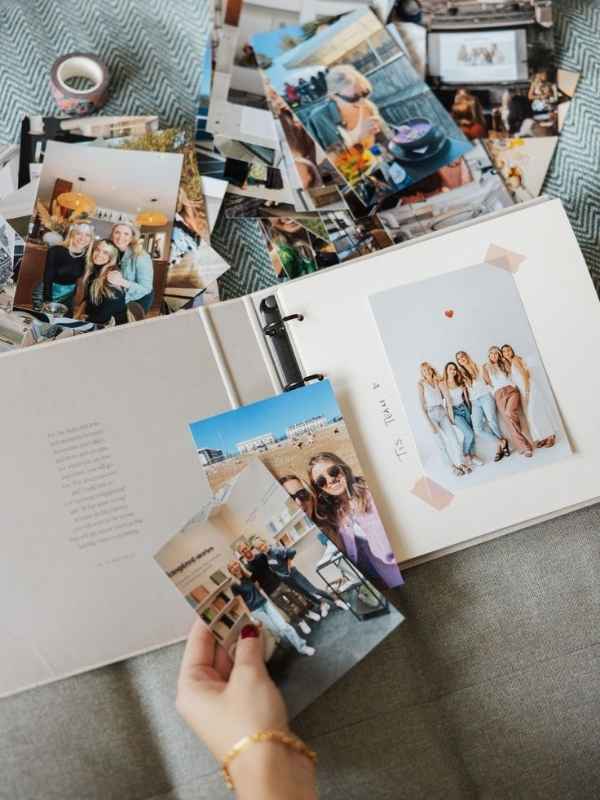
Starting a summer scrapbook becomes much easier when everything is collected beforehand. Instead of searching for supplies halfway through the project, organizing memories early helps the entire process feel smoother and more enjoyable.
Begin with photographs first because they usually shape the direction of the scrapbook naturally. Printed photos tend to feel more special than scrolling through digital galleries endlessly. Holding actual pictures in your hands changes the experience completely.
Meanwhile, do not focus only on perfectly posed images. Some of the most meaningful scrapbook pages come from candid moments instead. Windblown hair at the beach, blurry sunset walks, messy picnic tables, children laughing unexpectedly, or road trip snapshots often carry more emotion than carefully staged photographs.
Additionally, varying photo sizes creates more visually interesting scrapbook pages later. Mixing larger focal images with smaller detail shots helps the layouts feel layered and dynamic rather than flat.
Beyond photos, small keepsakes bring personality into scrapbook pages beautifully. Many summer memories naturally come with little items worth saving, including:
- Ticket stubs
- Postcards
- Dried flowers
- Maps
- Ice cream shop receipts
- Wristbands
- Vacation brochures
- Seashells
- Handwritten notes
- Polaroids
- Restaurant napkins with memories attached
- Pressed leaves
- Small sketches
- Stickers
These tiny objects may seem insignificant initially. However, years later, they often become the pieces that trigger the strongest memories.
For example, a faded concert wristband can instantly bring back an entire summer evening. Likewise, a handwritten grocery list from a family beach trip may unexpectedly feel emotional later because it captures ordinary life so honestly.
Meanwhile, organizing supplies into categories helps avoid overwhelm. Separate photographs by events, trips, or dates if possible. Small envelopes or baskets work beautifully for storing little keepsakes safely until you begin designing pages.
At this stage, it also helps to choose a scrapbook style. Some people prefer bright colorful themes filled with layered decorations. Others enjoy softer minimalist pages with neutral tones and simple layouts.
Summer-inspired color palettes often include:
- Sandy beige
- Ocean blue
- Sunshine yellow
- Coral pink
- Soft white
- Sage green
- Terracotta
- Peach tones
However, the scrapbook does not need to follow strict color rules. Family memories naturally feel more personal when the design reflects your own style rather than trends alone.
Most importantly, remember that not every memory has to look perfect to deserve a place inside the scrapbook. Imperfect moments are often the ones families treasure most later.
2. Choose a Scrapbook Theme That Matches the Feeling of Your Summer Memories
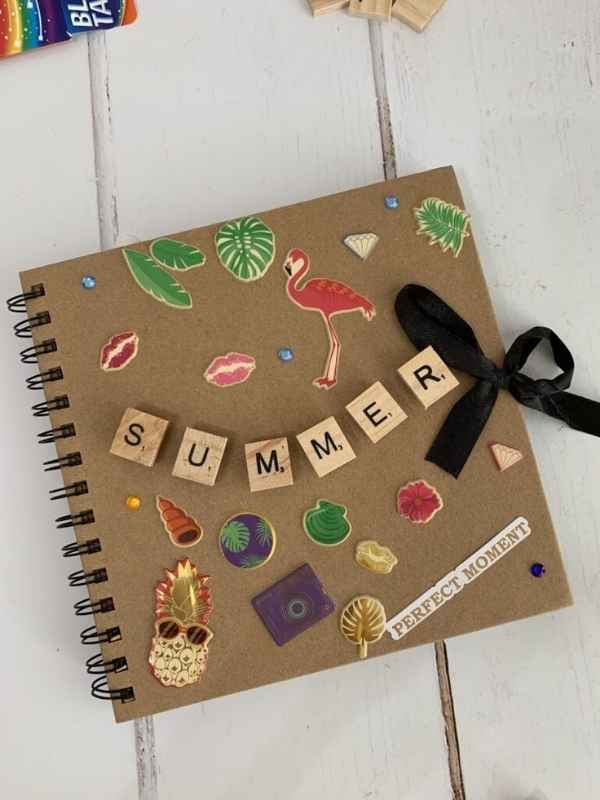
Every summer feels slightly different. Some seasons revolve around travel and adventure, while others center around slower moments spent at home with family. Because of that, choosing a scrapbook theme early helps the pages feel more connected emotionally.
A beach-inspired scrapbook may include seashell decorations, blue tones, watercolor textures, and coastal details. Meanwhile, a camping-themed scrapbook might use earthy colors, forest-inspired elements, and rustic paper textures.
Another beautiful option involves creating a nostalgia-focused scrapbook filled with softer tones, handwritten journaling, vintage-style paper, and reflective storytelling. This style works especially well for preserving emotional family moments rather than simply documenting activities.
Meanwhile, some people prefer organizing scrapbook pages chronologically instead of around aesthetics. This approach tells the story of the summer naturally from beginning to end.
For example:
- Early summer family cookouts
- Mid-summer vacations
- Rainy afternoons indoors
- Backyard celebrations
- Late summer sunsets
- Final weekend adventures
This method often makes the scrapbook feel more like a visual diary.
Additionally, themed pages help with consistency later. Even simple repeated details like matching fonts, color schemes, or decorative elements can make the entire scrapbook feel cohesive.
Another lovely idea involves focusing on emotional themes instead of event-based ones. Pages can revolve around:
- Family traditions
- Quiet moments
- Everyday joy
- Summer meals
- Outdoor adventures
- Childhood memories
- Favorite places
- Seasonal rituals
This creates a scrapbook that feels deeply personal rather than overly structured.
At the same time, flexibility matters too. Scrapbooks often evolve naturally while creating them. Some pages may become more playful and colorful, while others feel calmer and reflective.
That balance usually makes the final scrapbook feel more authentic.
Most importantly, the theme should support the memories instead of overpowering them. Family photographs and personal stories should remain the heart of every page.
You may also like
- 15 Bold and Beautiful Loc Colors for a Summer Glow
- 15 Summer Loc Hairstyles to Keep You Cool and Stylish
3. Print Your Photos Thoughtfully Instead of Using Every Single Picture
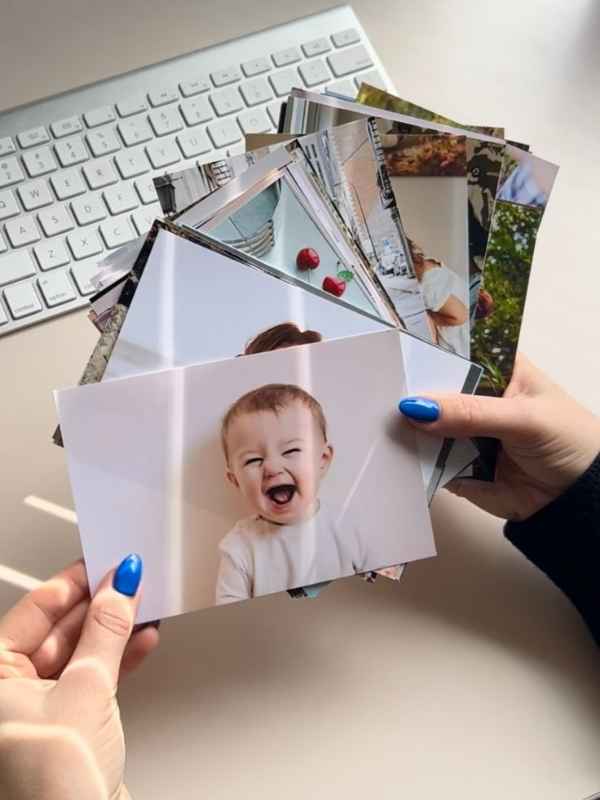
One common mistake people make while scrapbooking is trying to include too many photographs at once. Although every memory may feel important emotionally, overcrowded pages can quickly start feeling overwhelming visually.
Therefore, selecting photos carefully makes a huge difference.
Choose pictures that genuinely capture emotion, atmosphere, and connection rather than simply documenting events. Sometimes one meaningful image tells a stronger story than ten random snapshots combined.
Meanwhile, variety helps scrapbook pages feel balanced and visually interesting. Including different types of photographs creates movement throughout the album naturally.
For example, combine:
- Wide scenic vacation shots
- Close-up family moments
- Funny candid expressions
- Food photographs
- Sunset images
- Detail shots of little objects
- Group photos
- Quiet everyday moments
This combination keeps pages from feeling repetitive.
Additionally, matte photo printing often works beautifully for scrapbooks because it reduces glare and creates a softer more nostalgic appearance.
Polaroid-style prints also add charm and personality. Their smaller size makes layering easier while creating a cozy memory-book feeling.
Meanwhile, black-and-white photographs can add emotional depth to certain pages, especially reflective or sentimental moments.
Another helpful approach involves choosing a few “anchor photos” for each page. These larger focal images guide the visual story while smaller pictures support the memory around them.
Spacing matters too. White space around photos can actually make pages feel calmer and more intentional. Not every inch of paper needs decoration.
Furthermore, slight imperfections often add warmth. Crooked photo edges, handwritten labels, layered tape, and overlapping pieces can make scrapbook pages feel lived-in and personal rather than overly polished.
As you sort through summer photographs, you may notice unexpected emotions surfacing too. Scrapbooking often becomes more than crafting because it encourages reflection on moments that passed quickly at the time.
That emotional connection is part of what makes family scrapbooks so valuable years later.
4. Use Journaling and Handwritten Notes to Preserve Small Details
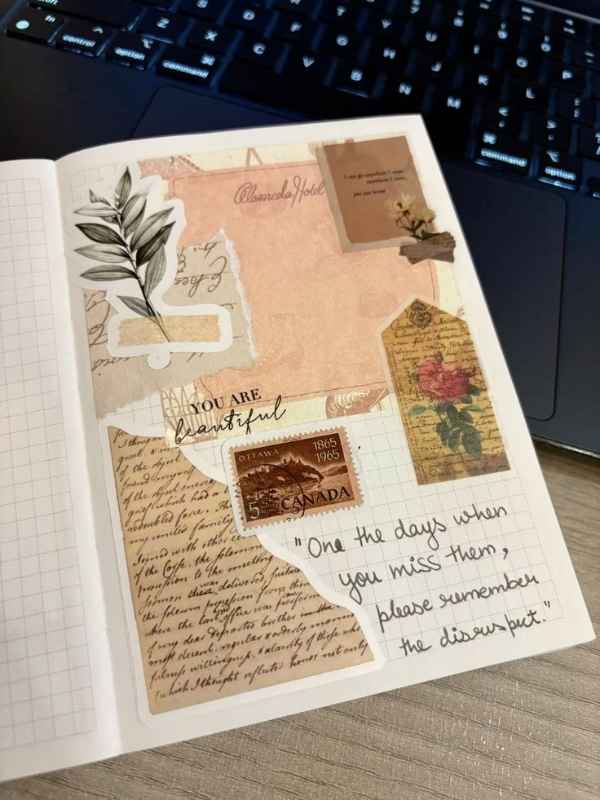
Photographs capture appearances beautifully. However, journaling captures feelings, sounds, conversations, and little details that pictures alone cannot fully preserve.
That is why handwritten notes matter so much inside summer scrapbooks.
Simple journaling does not need to feel formal or complicated. Short captions, funny memories, favorite quotes, or small observations often become the most meaningful parts later.
For example:
- “The kids stayed in the pool until sunset.”
- “Dad burned the burgers again and everyone laughed.”
- “This was the day we got caught in the rain.”
- “We listened to the same road trip playlist all weekend.”
- Tiny details like these instantly bring memories back to life.
Meanwhile, handwriting itself carries emotional warmth. Even messy notes feel personal because they reflect real moments instead of polished perfection.
Another beautiful idea involves asking family members to contribute small handwritten thoughts throughout the scrapbook. Children’s handwriting especially becomes precious over time because it changes so quickly as they grow.
Additionally, including dates and locations can help preserve context for future years. Memories often blur together eventually, so simple labels become surprisingly important later.
Journaling can also include reflections about emotions and family experiences. Summer memories are not only about activities. They are often about togetherness, growth, comfort, and shared experiences that shaped a season quietly.
At the same time, not every page needs large paragraphs. Sometimes one meaningful sentence feels enough.
The goal is preserving authenticity rather than writing perfectly.
5. Decorate Each Page With Summer-Inspired Textures and Details
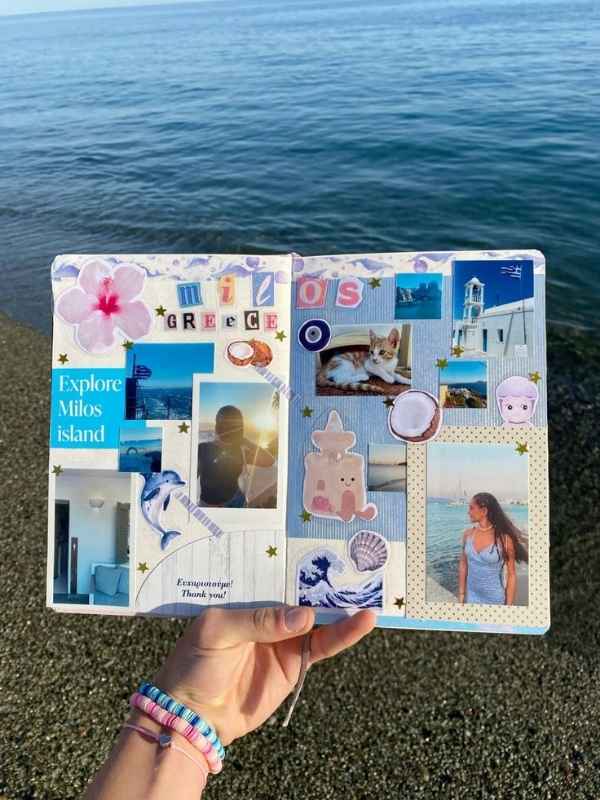
Decorating scrapbook pages is where creativity begins feeling especially personal. Small details help transform simple photo collections into layered memory pieces filled with warmth and personality.
Summer naturally offers endless decorative inspiration.
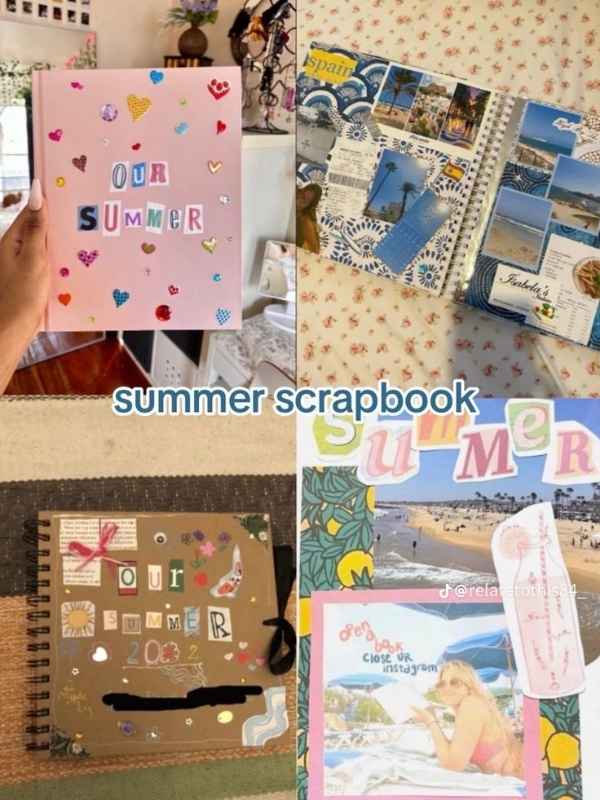
For beach-themed pages, soft blue paper, sandy textures, seashell stickers, and wave patterns create beautiful atmosphere. Meanwhile, picnic pages may include gingham prints, floral accents, and warm sunshine colors.
Layering materials also helps scrapbook pages feel richer visually. Combining patterned paper, tape, ribbon, textured cardstock, stamps, and handwritten notes creates depth naturally.
Another lovely approach involves using natural elements directly inside the scrapbook. Pressed flowers, tiny leaves, or dried petals can add beautiful organic texture while preserving pieces of the season itself.
Meanwhile, decorative tape works wonderfully for creating relaxed layered designs without requiring perfect precision. Torn paper edges and overlapping textures often make pages feel more personal and artistic.
Stickers, stamps, and cut-out words can also help emphasize specific emotions or memories. However, balance matters. Overdecorating sometimes distracts from the actual photographs and stories.
Additionally, color consistency helps pages feel cohesive. Even if every page looks different, repeating a few colors throughout the scrapbook creates visual harmony.
Texture matters more than many people realize too. Soft fabrics, rough kraft paper, glossy photographs, lace details, and layered cardstock all contribute to a scrapbook that feels tactile and comforting to flip through.
Most importantly, decorating should feel enjoyable rather than stressful. Scrapbooking is deeply personal, which means there is no single correct way to make pages beautiful.
6. Create Pages Around Specific Summer Traditions and Family Rituals
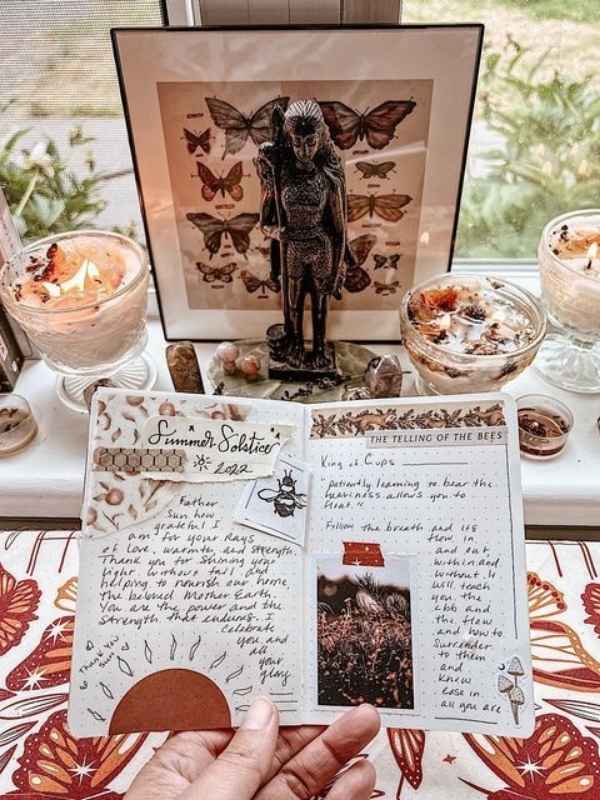
Some of the most meaningful scrapbook pages are not centered around major vacations or expensive activities. Instead, they focus on familiar family rituals repeated every summer almost without thinking.
Those traditions often become the memories people miss most later.
Maybe your family always eats watermelon outside during hot evenings. Perhaps movie nights happen every Friday with blankets spread across the living room floor. On the other hand, annual beach trips, barbecue weekends, fireworks traditions, or homemade lemonade afternoons may define summer for your family.
These recurring moments deserve scrapbook space because they capture family identity beautifully.
Meanwhile, documenting traditions helps preserve routines children may not fully appreciate yet but will likely treasure later as adults.
Another wonderful idea involves creating comparison pages showing how traditions changed over different summers. Children growing taller, family pets appearing in old photos, favorite vacation spots revisited yearly, these details quietly tell stories about time passing.
Additionally, family traditions often hold emotional comfort. Including them in a scrapbook creates a deeper narrative beyond simple event documentation.
Handwritten reflections about why certain traditions matter can make these pages even more meaningful later.
7. Include Everyday Moments Instead of Only Big Summer Events
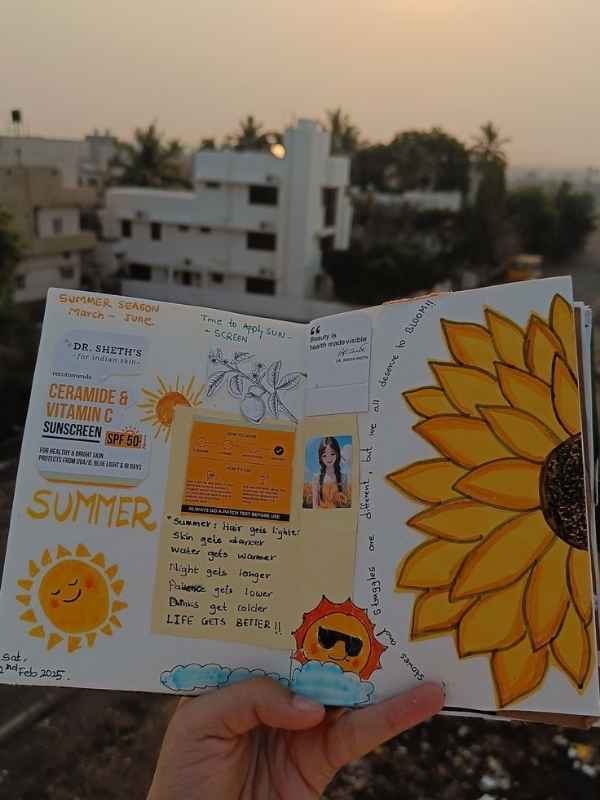
Many people accidentally overlook ordinary moments while making scrapbooks because they assume only major events deserve preserving.
However, everyday memories are often the most emotionally powerful.
Simple things like:
- Popsicle afternoons
- Backyard sprinkler days
- Grocery store ice cream runs
- Family breakfasts
- Rainy movie afternoons
- Sunset walks
- Garden watering
- Messy kitchen baking sessions
These moments quietly shape summer life just as much as vacations do.
Meanwhile, ordinary photographs often age beautifully because they capture authentic family life honestly. Perfectly posed images can feel distant later, whereas casual snapshots usually bring stronger emotional memories back immediately.
Additionally, including everyday moments makes the scrapbook feel fuller and more realistic. Summers are rarely nonstop excitement. They are built from little routines and spontaneous joys too.
Pages centered around ordinary life often become favorites precisely because they feel genuine and relatable.
8. Add Interactive Elements That Make the Scrapbook Feel More Personal
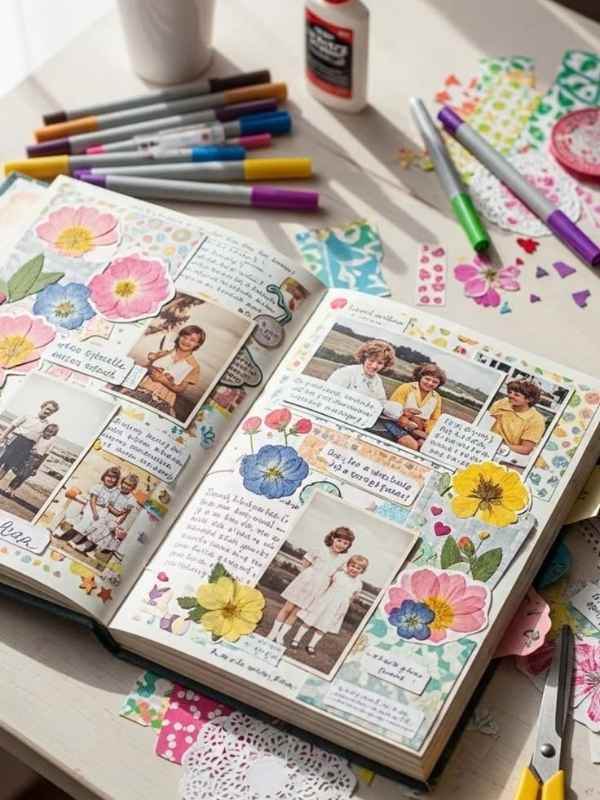
Interactive scrapbook elements create surprise and engagement while making the album feel even more special over time.
Small envelopes, fold-out notes, hidden journaling cards, pockets, and layered flaps all add dimension beautifully.
For example, tiny envelopes can hold:
- Handwritten letters
- Vacation maps
- Small sketches
- Mini photographs
- Quotes
- Postcards
Meanwhile, fold-out sections allow more storytelling without overcrowding pages visually.
Another lovely idea involves adding “memory prompts” family members can answer later. Questions like:
- “Favorite summer meal?”
- “Funniest memory?”
- “Best road trip song?”
- “Favorite sunset moment?”
These small additions create emotional depth while preserving multiple perspectives from the same season.
Interactive elements also make scrapbooks more enjoyable to revisit because each page feels layered with discovery.
9. Organize the Scrapbook Slowly Instead of Rushing the Process
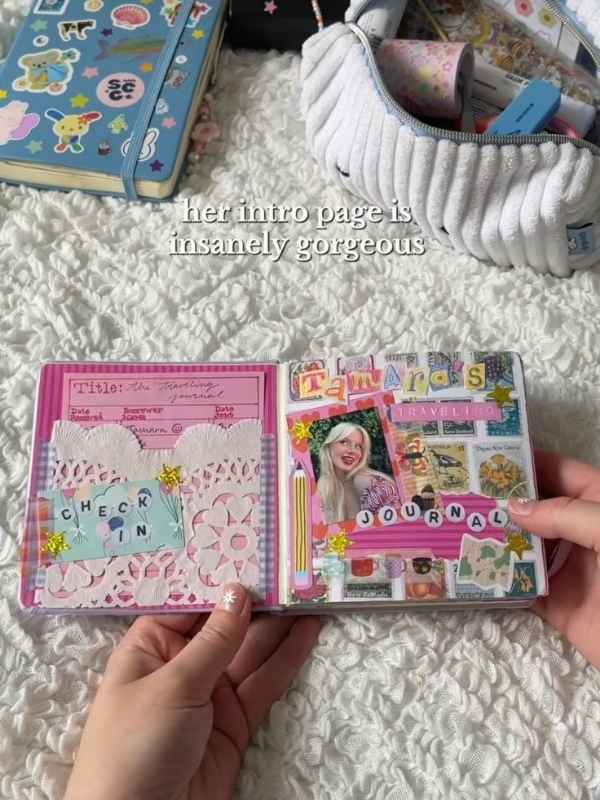
One of the best parts of summer scrapbooking is that it does not need to be finished quickly.
In fact, slower scrapbooking often creates more meaningful results because memories have time to settle emotionally before being documented.
Rushing usually leads to cluttered pages, creative frustration, or unnecessary pressure. Meanwhile, approaching the scrapbook gradually allows ideas to evolve naturally.
Some people enjoy working on one page weekly throughout late summer and early autumn. Others dedicate cozy evenings to scrapbooking slowly while listening to music or watching movies.
The process itself can become part of the memory.
Additionally, stepping away occasionally helps maintain creativity. Returning later with fresh eyes often improves layouts and storytelling naturally.
Most importantly, scrapbooking should feel comforting rather than stressful. The goal is preserving joy, connection, and family memories not creating perfect artistic pages.
FAQs
1. What do I need to make a summer scrapbook?
You can start with a scrapbook album, printed photos, decorative paper, scissors, glue, markers, stickers, tape, and small keepsakes like tickets or postcards.
2. How do I organize summer scrapbook pages?
You can organize pages by dates, vacations, family traditions, events, or emotional themes depending on the style you want.
3. Can I make a scrapbook even if I am not artistic?
Yes, absolutely. Scrapbooking is about preserving memories, not creating perfect art. Simple layouts often feel the most personal and meaningful.
4. What should I write in a family scrapbook?
Short captions, funny memories, dates, conversations, reflections, and small details all work beautifully inside family scrapbooks.
5. How can I make my scrapbook feel more personal?
Adding handwritten notes, family contributions, meaningful keepsakes, candid photographs, and interactive elements helps make these how to make a summer scrapbook feel deeply personal and unique.
Conclusion
A summer scrapbook becomes far more than paper, photographs, and decorations once it begins filling with real family memories. Each page quietly preserves moments that might otherwise disappear into busy everyday life and forgotten phone galleries.
Meanwhile, the beauty of scrapbooking comes from its imperfection. Crooked photos, handwritten captions, layered keepsakes, and uneven tape all become part of the story. Those small details make the scrapbook feel lived-in, personal, and deeply human.
Summer itself often passes quickly. One season blends into the next before anyone fully notices how much changed along the way. Children grow taller. Traditions evolve. Familiar routines slowly become memories. Because of that, preserving those moments intentionally feels incredibly meaningful.
Additionally, family scrapbooks create something future generations can physically hold. Long after vacations end and summer sunsets fade into memory, the stories remain gathered together inside pages filled with laughter, emotion, warmth, and connection.
Most importantly, making a scrapbook encourages people to slow down and appreciate moments that may have seemed ordinary at the time. Sometimes the smallest memories become the most precious years later.
Check out our:
18 Small Space Organization Hacks That Actually Work
10 DIY Vent Hood Cover Ideas for a Beautiful Kitchen Upgrade