13 Easy Sensory Play Recipes for Kids to Make at Home
Finding simple activities that keep children engaged, curious, and learning does not always require expensive toys or complicated supplies. These 13 easy sensory play recipes for kids to make at home are a wonderful way to turn everyday ingredients into playful learning experiences that children can touch, squeeze, scoop, mix, and explore.
Sensory play is especially helpful because children learn through their senses. They can notice different textures, explore colors, compare temperatures, listen to sounds, and experiment with how materials move. At the same time, sensory activities can encourage creativity and independent play.
The best part is that many homemade sensory materials can be prepared with ingredients you may already have in your kitchen or craft cupboard. You do not need a large playroom or a long list of supplies. A small tray, bowl, container, or baking sheet can become the perfect setup for an afternoon of fun.
If you are looking for affordable activities for toddlers, preschoolers, or young children, these ideas are easy places to start. You can also change the colors, textures, and themes to match your child’s interests.
So, let’s explore these 13 easy sensory play recipes for kids to make at home and discover simple ways to make everyday play more exciting.


Why Sensory Play Is Important for Kids
Sensory play gives children an opportunity to explore the world through hands-on experiences. Instead of simply watching something happen, they get to interact with it.
For example, a child might squeeze homemade dough, pour colored rice between containers, or squish a soft sensory mixture between their fingers. These simple actions can support fine motor practice and encourage children to notice cause and effect.
Sensory play can also support language development. While playing, children can learn words such as soft, rough, sticky, smooth, wet, dry, warm, cold, heavy, and light.
It can also encourage imaginative play. A tray of colored rice can become a pretend beach. Homemade play dough can become a bakery. Water beads can become part of a pretend garden or treasure hunt.
Another benefit is flexibility. Sensory play does not have to follow one correct method. Children can explore at their own pace and make their own discoveries.
How to Prepare for Sensory Play at Home

Before trying these activities, choose a space that is easy to clean. A kitchen floor, washable mat, outdoor table, or large tray can work well.
Keep towels nearby for wet activities. For dry sensory materials, use a shallow container so children can scoop and pour without making a huge mess.
It is also helpful to introduce one activity at a time. Too many materials at once can become overwhelming.
Always choose materials that are appropriate for the child’s age. Young children should be closely supervised, especially around small ingredients or objects that could become choking hazards. Sensory materials are for play unless the recipe is specifically designed to be edible.
With a little preparation, sensory play can become a simple part of your family’s routine.
Check out our
25 Best Thanksgiving Games to Play with Family and Friends at Home
20 Valentines Day Crafts for Kids to Make at Home or School
40 Easy Thanksgiving Crafts for Kids and Adults to Make Together
30 Easy Popsicle Stick Craft Ideas for Kids and Adults to Make at Home
25 Easy Rock Painting Ideas Kids Will Love All Summer Long
DIY Father’s Day Photo Frame Crafts Kids Can Easily Make
13 Easy Sensory Play Recipes for Kids to Make at Home
1. Homemade Cloud Dough

Cloud dough is soft, crumbly, and surprisingly satisfying to touch. It is one of the easiest sensory materials to make because you only need a couple of basic ingredients.
For this activity, combine plain flour with a small amount of cooking oil until the mixture feels soft and moldable. Start with a small quantity of oil and add more gradually until you reach the texture you want.
You can divide the mixture into different containers and add a little food coloring to create several colors. You can also leave it plain for a natural-looking sensory tray.
These 13 easy sensory play recipes for kids to make at home are especially useful when you want something inexpensive and quick to prepare.
Place the cloud dough in a shallow tray. Give your child measuring cups, spoons, toy molds, or small containers for scooping and shaping.
Ask simple questions while they play. Is the dough soft or rough? What happens when you squeeze it? Can you make a mountain? Can you fill the cup?
The activity can become both sensory exploration and early learning.
Tip: Keep cloud dough away from mouths, and supervise younger children during play.
2. Easy Homemade Play Dough
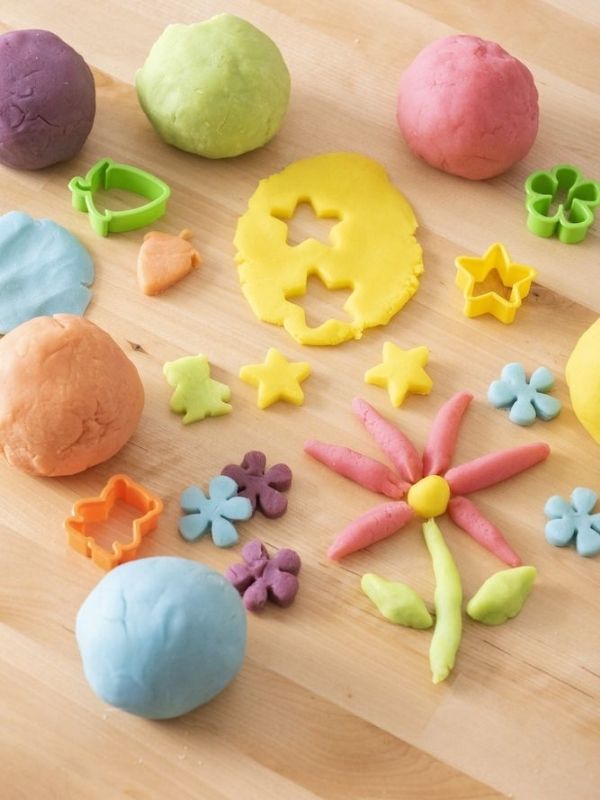
Homemade play dough is a classic sensory activity because children can squeeze, roll, flatten, twist, and shape it in countless ways.
To make a simple version, combine flour, salt, warm water, and a small amount of cooking oil. Add the water gradually while mixing until the dough begins to come together. Knead it until smooth.
Divide the dough into portions and add different food colors if desired. You can create a rainbow collection or make colors that match a particular theme.
One reason parents love 13 easy sensory play recipes for kids to make at home is that homemade materials can often be customized to suit different interests.
For example, children who love animals can use cookie cutters to make animal shapes. Children interested in cooking can pretend to make pizzas, cookies, or cakes.
You can also add simple textures with safe household tools. A fork can create lines, while a plastic comb can create patterns.
Encourage children to describe what they are doing. This turns ordinary play into an opportunity to practice vocabulary and storytelling.
Store homemade play dough in an airtight container when playtime is finished.
Tip: Homemade play dough is not intended to be eaten, even though the ingredients may be common kitchen items.
Please keep Reading….. Don’t stop here 
3. Colored Rice Sensory Bin
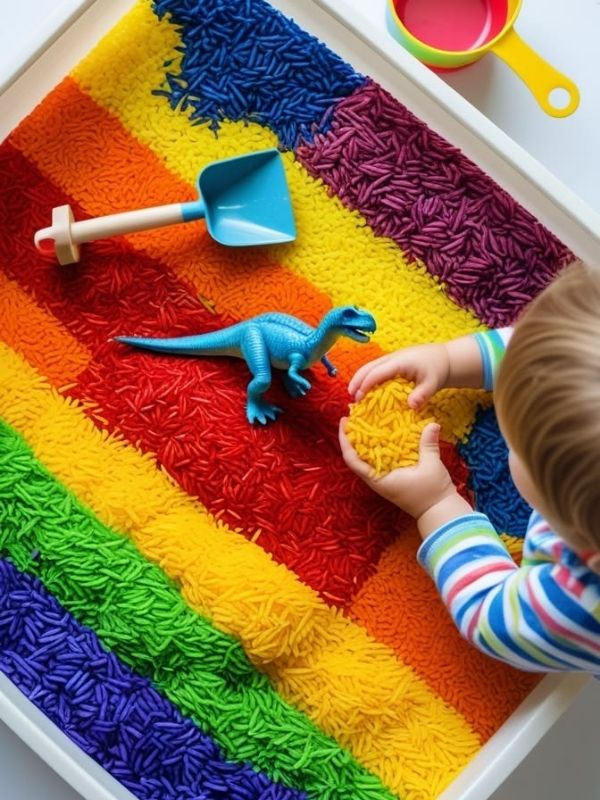
Colored rice creates a bright and engaging sensory bin that is easy to customize for different themes.
Place dry rice into a container and add a small amount of food coloring. Mix well and spread the rice out to dry completely before play.
Once dry, place the rice into a shallow sensory bin. Add measuring cups, scoops, funnels, bowls, and larger toy objects for children to discover.
The pouring action is particularly fun. Children can transfer rice from one container to another while learning about volume and movement.
For a themed activity, you could create a rainbow bin with several colors. You could also use one color for a calming, simple setup.
Among these 13 easy sensory play recipes for kids to make at home, colored rice is one of the most flexible because the same base material can be used in many different ways.
Try hiding larger, age-appropriate objects in the rice and asking children to find them. You can also encourage counting by asking them to scoop a certain number of cups.
Because rice grains are small, this activity requires close supervision for young children who may put materials in their mouths.
Tip: Use a large tray underneath the bin to make cleanup easier.
Check out our
DIY Father’s Day Photo Frame Crafts Kids Can Easily Make
Creative 4th of July Activities for Kids and Adults (Games, Crafts & More)
15 Fun Easter Egg Hunt Ideas for Kids at Home
4. Homemade Sensory Foam

Sensory foam creates a fluffy texture that children can touch, swirl, spread, and scoop.
For a simple foam activity, use a child-appropriate foaming material and whip it until it becomes light and fluffy. Place the foam into a large tray and add a few washable tools.
You can divide the foam into sections and add small amounts of washable color for a rainbow effect.
Children can use their fingers to make lines, circles, waves, and other patterns. They can also practice drawing simple letters or shapes in the foam.
These 13 easy sensory play recipes for kids to make at home can be adapted for indoor or outdoor play, depending on your available space.
For younger children, focus on exploration rather than creating a perfect design. Let them discover what happens when they squeeze the foam or move it from one side of the tray to the other.
For older preschoolers, turn the activity into a learning game. Ask them to draw numbers, letters, shapes, or simple pictures.
Always check the ingredients before use and avoid products that may irritate your child’s skin.
Tip: A washable tablecloth or outdoor surface can make this activity much easier to manage.
5. Rainbow Spaghetti Sensory Play
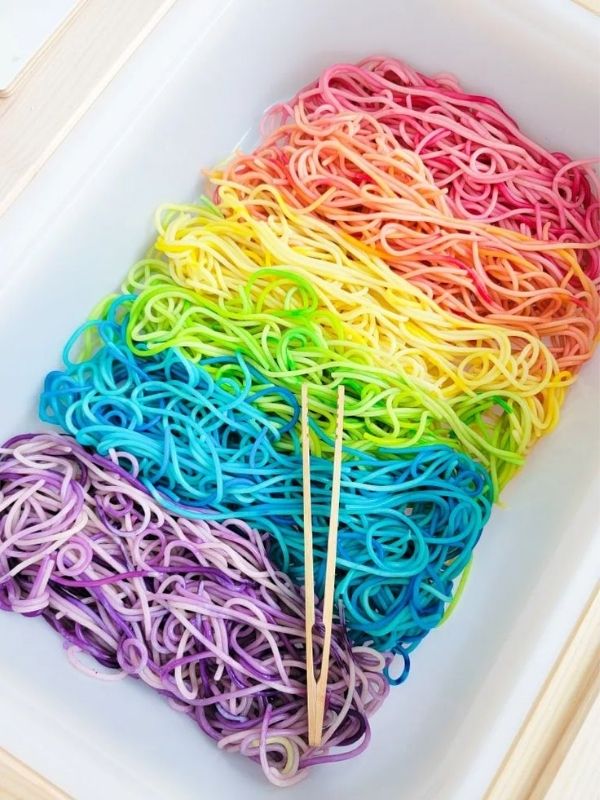
Cooked spaghetti can become a wonderfully squishy sensory material when prepared for play.
Cook plain spaghetti according to the package directions, then allow it to cool completely. Divide it into several containers and add small amounts of food coloring.
Once the colors are ready, place the spaghetti into a large tray.
Children can pick it up, stretch it, twist it, separate strands, and move it between containers. The slippery texture provides a completely different experience from dry sensory materials.
If you are searching for 13 easy sensory play recipes for kids to make at home, this is a fun option because the texture is unusual and engaging.
You can add large spoons, bowls, tongs, and cups for extra exploration. Children can also practice sorting the spaghetti by color.
For a pretend-play activity, let children create a pretend restaurant. They can serve their colorful spaghetti into bowls and make up a menu.
Because cooked food can spoil, prepare only what you need and discard the sensory spaghetti after the activity rather than storing it for another day.
Tip: Keep the play area clean and wash hands before and after the activity.
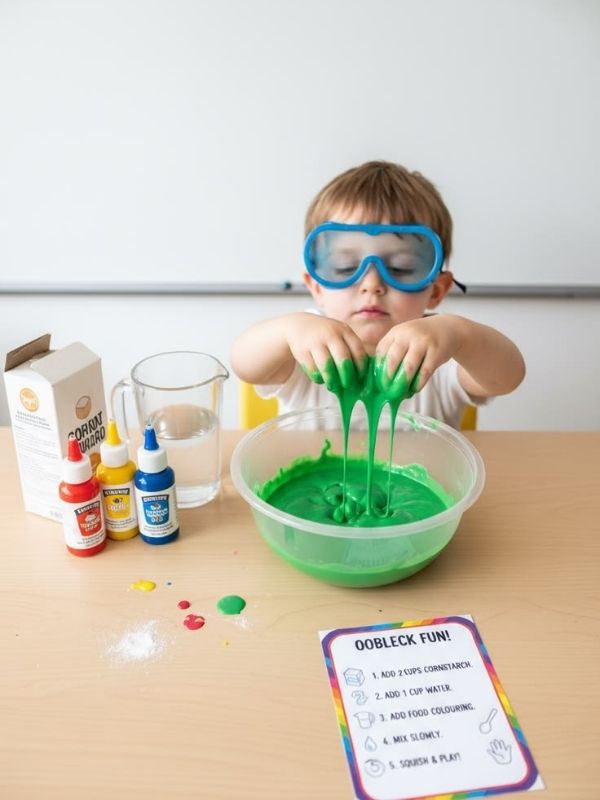
6. Homemade Oobleck
Oobleck is a fascinating sensory mixture because it behaves differently depending on how it is handled.
The basic recipe uses cornstarch and water. Mix the two together slowly until you get a thick mixture that feels firm when pressed but flows when left alone.
You can add a small amount of food coloring if you want to make it more visually exciting.
Place the oobleck in a shallow tray. Let children touch it slowly at first. Then encourage them to squeeze it, tap it, scoop it, and watch how it changes.
These 13 easy sensory play recipes for kids to make at home can also introduce simple science concepts through playful experimentation.
Ask questions such as, “What happens when you press it?” or “What happens when you stop moving your hand?”
Children do not need to understand the science behind the mixture to enjoy the activity. The goal is to let them observe and experiment.
Oobleck can become messy, so an outdoor setup is often ideal. If you play indoors, use a washable mat or tray.
Avoid pouring the mixture down the sink because cornstarch can create plumbing problems. Let it dry and dispose of it in the trash.
Tip: Keep the mixture away from carpets and fabric surfaces.
Bookmark this posts
15 Fun Sensory Activities for Toddlers (Easy & Engaging)
100 Birthday Wishes for Teenage Boys and Girls
12 Luxury Fragrance Party Ideas for an Elegant Celebration
15 Romantic Museum Date Night Ideas for Couples
7. Sensory Water Bead Play
Water beads can create a colorful sensory experience because they become soft, slippery, and bouncy after absorbing water.
However, water beads can be dangerous if swallowed, especially for young children. Therefore, this activity should only be considered for children who can safely follow instructions and should always have close adult supervision.
Place fully expanded beads in a large container with water. Add cups, scoops, and other larger tools for children to explore.
They can move the beads from one container to another or simply explore how the beads feel.
If you are collecting ideas for 13 easy sensory play recipes for kids to make at home, this option is visually appealing, but safety should come before the fun.
Never leave a child alone with water beads. Keep unused and expanded beads away from younger children and pets.
You can also replace water beads with larger, age-appropriate sensory materials if you want a lower-risk activity.
The main learning opportunity is observation. Children can notice the texture, movement, color, and water absorption.
Tip: Because of the swallowing risk, choose a different sensory activity for babies, toddlers, or children who still mouth objects.
8. Homemade Sensory Salt Tray

A sensory salt tray is simple, affordable, and excellent for practicing early writing skills.
Pour a thin layer of salt into a shallow tray. Smooth the surface with your hand, then invite your child to draw in it.
Children can start with simple lines and shapes. Later, they can practice letters, numbers, or their names.
You can also use the tray for picture drawing. Ask your child to make a sun, flower, house, tree, or other familiar object.
The 13 easy sensory play recipes for kids to make at home can include activities that support learning without feeling like formal schoolwork.
Salt provides instant feedback because children can see their marks clearly and erase them by gently shaking or smoothing the tray.
For younger children, focus on pre-writing skills. Encourage them to make vertical lines, horizontal lines, circles, zigzags, and simple patterns.
Use a shallow tray so the salt does not need to be deep.
As with any fine sensory material, supervise children closely and discourage tasting.
Tip: Place the tray on a large mat or tablecloth so stray grains are easier to collect.
9. Homemade Colored Pasta Bin

Dry pasta makes another useful sensory material. You can use different shapes, such as spirals, tubes, or large shells, to create variety.
For colored pasta, place dry pasta into separate containers and add food coloring. Mix until the pieces are coated, then spread them out to dry completely.
Once dry, put the pasta into a sensory bin.
Add cups, scoops, funnels, and large containers. Children can pour, scoop, sort, and transfer the pasta.
This is another flexible idea among 13 easy sensory play recipes for kids to make at home because you can turn the same sensory bin into several different games.
Ask children to sort pasta by color or shape. You can also encourage counting by asking them to place a certain number of pieces into a cup.
For a pretend activity, add larger toy animals and create a pretend farm. You can also use toy trucks and containers for a pretend construction site.
Remember that dry pasta can be a choking hazard for young children.
Tip: Choose larger pasta pieces and supervise closely when playing with younger children.
10. Soft Sensory Dough With Scents
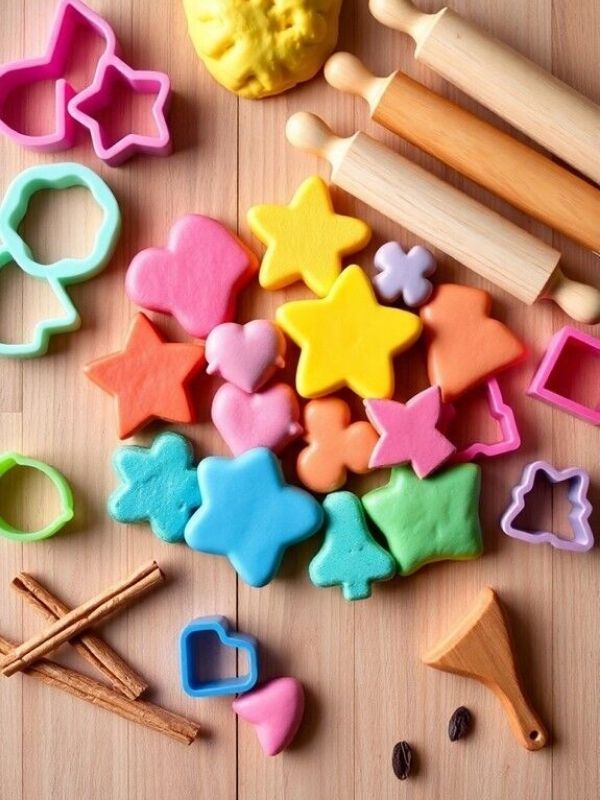
Sensory dough can become even more interesting when you add a gentle scent.
Start with homemade play dough or another child-safe dough recipe. Once the dough has cooled, divide it into small portions.
You can create themed dough such as lemon-colored dough, cocoa-colored pretend bakery dough, or a floral-inspired play theme using child-safe, appropriate ingredients.
The purpose is not to make the dough smell overpowering. A subtle scent can simply give children another sensory detail to notice.
These 13 easy sensory play recipes for kids to make at home can encourage children to explore more than just touch.
Ask your child whether the dough smells sweet, fresh, strong, or mild. Encourage them to describe the color and texture as well.
You can also add cookie cutters, rolling pins, or plastic utensils for shaping.
Avoid strong fragrances or ingredients that may irritate your child’s skin. Also avoid adding essential oils unless you know they are appropriate for the child’s age and intended use.
Keep the activity focused on play rather than tasting.
Tip: If your child has sensitive skin or allergies, keep the recipe simple and use ingredients you already know are suitable.
11. Frozen Sensory Ice Play
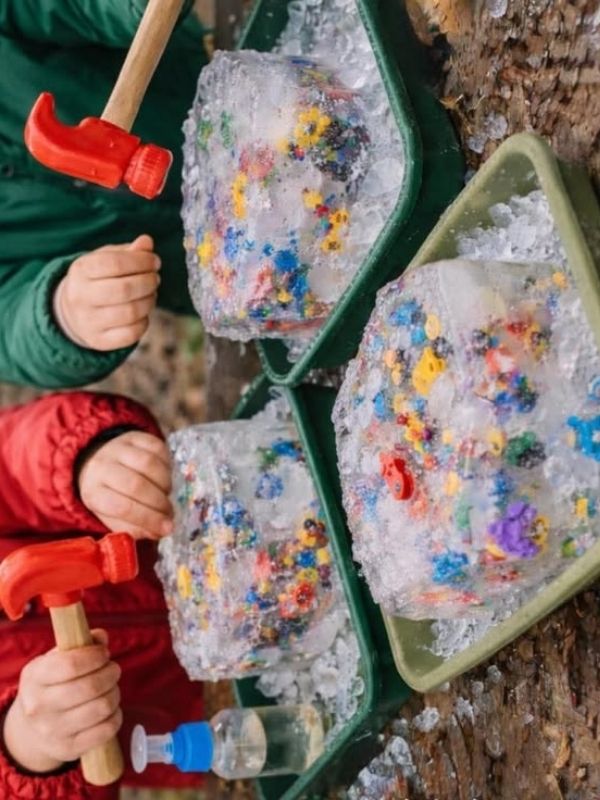
Ice play is an easy way to introduce a completely different texture and temperature.
Freeze water in several containers. You can make small ice shapes using ice cube trays or larger blocks using plastic containers.
For a colorful activity, freeze water with small amounts of food coloring.
Once frozen, place the ice in a tray. Give children cups of water and large tools for exploring how the ice changes.
They can watch the ice melt, move it around, and compare pieces of different sizes.
If you are working through 13 easy sensory play recipes for kids to make at home, this one is especially useful on warm days when children want something refreshing.
You can also freeze larger, age-appropriate objects inside ice and let children observe how the ice changes as it melts. Choose objects that are large enough to prevent choking and supervise the activity closely.
Ask simple science questions. Which piece melts faster? What happens when you add warm water? What does the ice feel like?
Outdoor play can make cleanup easier.
Tip: Never let children hold ice against their skin for extended periods. Keep the activity comfortable and supervised.
12. Homemade Kinetic-Style Sand
A homemade sand-like sensory mixture can provide hours of scooping, shaping, and building.
One simple approach is to use clean, dry sand with a suitable binding ingredient designed for children’s sensory play. The final texture should be moldable without becoming excessively sticky.
Place the mixture in a large tray and add cups, molds, scoops, and larger tools.
Children can build pretend castles, roads, gardens, or other creations. They can also practice filling and emptying containers.
These 13 easy sensory play recipes for kids to make at home work best when children have freedom to explore instead of being expected to create something perfect.
You can introduce a theme based on your child’s interests. For example, a dinosaur theme can include larger dinosaur toys, while a construction theme can include toy trucks.
Because sand can be messy, take the activity outdoors when possible. If you use it indoors, place a large washable mat underneath the tray.
Avoid using small objects with children who still put things in their mouths.
Tip: Keep the sand dry between uses and store it in a sealed container if the recipe allows.
13. Rainbow Ice Painting

Rainbow ice painting combines sensory exploration with simple art.
To prepare it, freeze water mixed with small amounts of food coloring in ice cube trays. You can place a small stick or child-safe handle into each section before freezing if desired.
Once frozen, place the colored ice cubes on thick paper or another washable painting surface.
Children can move the ice across the paper and watch the colors appear as the cubes melt.
Among these 13 easy sensory play recipes for kids to make at home, this one is particularly fun because it combines cold sensory exploration with creativity.
Encourage children to experiment with different colors. They can make lines, circles, dots, waves, or abstract pictures.
You can also talk about color mixing. What happens when blue and yellow meet? What happens when red and yellow overlap?
Because the ice melts quickly, this activity works best when everything is prepared before the child begins.
Use washable surfaces and protect clothing if needed.
Tip: Let the ice soften slightly before play so it is easier for small hands to hold.
How to Make Sensory Play More Educational
Sensory play does not have to feel like a lesson to support learning. Simple questions can encourage children to think, compare, predict, and explain.
For example, ask:
- Which material feels softer?
- What happens when you add water?
- Which container holds more?
- Can you find all the red pieces?
- What happens when you squeeze it?
- Can you make a circle?
- Which color did you create?
- What do you think will happen next?
You can also introduce early math concepts through counting, sorting, measuring, and comparing.
Language skills can develop naturally as children describe what they feel and see.
Fine motor skills can also get plenty of practice through scooping, pouring, squeezing, pinching, rolling, and transferring materials.
The goal is not to turn every activity into a structured lesson. Instead, let children play freely and add questions when they seem interested.
Tips for Keeping Homemade Sensory Play Mess-Free
Sensory play can be messy, but that does not mean it has to take hours to clean.
Start by choosing a suitable play area. A large tray can contain dry materials, while a washable mat can protect floors.
Use small amounts of materials at first. You can always add more if necessary.
For activities involving water, foam, or ice, an outdoor table can make cleanup much easier.
Keep wipes or towels nearby. Teach children to help with cleanup once playtime ends. Even young children can place tools back into a container or help gather larger pieces.
Storage also matters. Keep reusable materials in clearly labeled containers. However, discard mixtures that contain food ingredients when they become dirty or spoiled.
With these 13 easy sensory play recipes for kids to make at home, preparation does not have to become another stressful task for parents.
A simple setup often works better than an elaborate one.
Sensory Play Safety Tips for Parents
Safety should always come first during sensory play.
Choose materials that are appropriate for your child’s age and abilities. Closely supervise young children, especially when an activity contains small materials.
Avoid ingredients that your child may be allergic to. If you are unsure about a particular ingredient, choose a simpler alternative.
Sensory materials should generally be treated as play materials, not food. Even recipes made from common kitchen ingredients should not automatically be considered edible.
Wash hands before and after sensory activities. Clean the play surface and tools after use.
Be careful with slippery floors during water play. Also avoid extremely hot or cold materials that could make children uncomfortable.
Water beads require particular caution because swallowed beads can cause serious problems. They should not be used around children who may put them in their mouths.
For toddlers and younger children, choose larger materials and avoid small loose objects.
The best sensory activity is one where children can explore freely while a responsible adult keeps an eye on them.
Easy Sensory Play Setup Ideas
You do not need a dedicated sensory table to enjoy these activities.
A large plastic tray can become a sensory station. A baking sheet can hold dough or foam. A shallow storage container can become a rice or pasta bin.
Keep a small collection of basic tools nearby. Measuring cups, spoons, bowls, funnels, cookie cutters, plastic tongs, and containers can provide plenty of opportunities for exploration.
You can also create themed sensory invitations.
For example, place colored rice in a tray with larger toy animals for a farm theme. Add toy cars to a sand-style tray for a construction theme. Use play dough with cookie cutters for a pretend bakery.
Keep the setup simple. Too many objects can make the activity confusing.
The best part is that you can reuse many tools across different sensory activities.
FAQs About 13 Easy Sensory Play Recipes for Kids to Make at Home
1. What is sensory play?
Sensory play is play that encourages children to explore materials through their senses. Children may touch, squeeze, scoop, pour, smell, observe, or listen to different materials.
It can include activities involving dough, water, rice, pasta, foam, ice, sand, and other age-appropriate materials.
2. What age is sensory play suitable for?
Sensory play can be adapted for different ages, but the activity should match the child’s developmental stage.
Babies and toddlers need especially close supervision because they may put materials into their mouths. For older preschoolers, you can introduce more detailed activities involving sorting, counting, drawing, and simple science experiments.
Always consider choking risks and ingredient safety before choosing an activity.
3. Are homemade sensory activities expensive?
Not necessarily. Many activities use simple household ingredients such as flour, salt, rice, pasta, cornstarch, water, and food coloring.
You can also reuse containers, spoons, measuring cups, and trays that you already have at home.
The key is creativity rather than expensive supplies.
4. How often should children do sensory play?
There is no strict schedule. Sensory play can be offered whenever it fits comfortably into your family’s routine.
Even a short activity can provide an opportunity for hands-on exploration.
You can prepare a sensory tray for a few minutes of independent play or spend longer exploring a particular theme together.
5. Can I make sensory play activities without food ingredients?
Absolutely. Not every sensory activity needs to use kitchen ingredients.
You can use water, ice, washable art materials, play dough, larger craft materials, and other age-appropriate supplies.
Choosing non-food materials can also make it easier to separate play materials from things intended for eating.
Conclusion
Sensory play can be simple, affordable, and incredibly fun. You do not need a special playroom or expensive equipment to create meaningful hands-on activities for children.
From homemade cloud dough and colorful rice to oobleck, sensory foam, ice painting, play dough, and spaghetti, there are plenty of ways to make everyday materials more exciting.
The biggest benefit is flexibility. You can adjust the colors, themes, tools, and learning goals to suit your child.
More importantly, you can let children explore without worrying about creating the “perfect” activity.
If you have been searching for 13 easy sensory play recipes for kids to make at home, hopefully these ideas give you plenty of inspiration for your next play session.
Choose one recipe, gather a few simple supplies, and let your child explore.
Sometimes, the simplest activities create the happiest afternoons.