30 Thanksgiving Gratitude Games the Whole Family Will Enjoy
Thanksgiving brings families together around a shared table, familiar traditions, and memories that deserve to be celebrated. However, the holiday can become so busy that everyone focuses on preparing food, welcoming guests, and organizing the house instead of enjoying one another’s company. That’s where 30 Thanksgiving gratitude games can make a difference. These activities give children, teenagers, parents, grandparents, and visiting relatives an enjoyable way to express appreciation while making new memories together.
Gratitude does not have to involve a long speech or a serious conversation. Instead, families can explore what they appreciate through playful questions, creative crafts, storytelling, and friendly challenges. For example, a child might share why they appreciate a favorite teacher, while a grandparent recalls a family tradition that has brought happiness for decades. Even the quietest family member can participate when the activity feels relaxed and welcoming.
Moreover, gratitude games can fit almost any Thanksgiving gathering. Some take only five minutes before dinner, whereas others can entertain everyone throughout the afternoon. You can choose a simple activity for a small family or combine several games for a larger celebration. Best of all, many options use ordinary household supplies, so you do not need to spend much money.
If you are looking for meaningful Thanksgiving family activities, the following ideas offer a variety of ways to celebrate kindness, connection, and appreciation. Choose the games that suit your guests, adapt the rules for younger children, and remember that participation should feel enjoyable rather than compulsory.
Check out
25 Best Thanksgiving Games to Play with Family and Friends at Home
20 Thanksgiving Place Card Ideas for Guests
10 Thanksgiving Desserts Other Than Pumpkin Pie
20 Thanksgiving Leftover Recipes Everyone Will Love
30 Thanksgiving Gratitude Games for the Whole Family
1. The Thanksgiving Gratitude Circle

A gratitude circle is a lovely way to begin Thanksgiving dinner because it gives everyone an opportunity to share something meaningful. Rather than asking guests to deliver formal speeches, invite them to sit together and mention one thing they appreciate. The answer can be as simple as a delicious meal, a comfortable home, a funny family memory, or a friend who offered encouragement during a difficult week.
To make the game more interesting, introduce a small object that serves as the talking token. A decorative pumpkin, an autumn leaf, or a soft fabric turkey will work well. Whoever holds the object gets a turn to speak, while everyone else listens without interruption. Afterward, that person passes it to another guest.
Furthermore, you can introduce a different theme each round. The first round might focus on people, the second on happy memories, and the third on small everyday comforts. This variation helps participants think beyond the usual answers.
When planning these 30 Thanksgiving gratitude games, remember that some guests may feel shy about speaking in front of a crowd. Allow them to pass, write their answers on paper, or share with a partner instead. The goal is to encourage appreciation, not to pressure anyone into revealing personal information.
2. The Thanksgiving Gratitude Jar

A gratitude jar turns appreciation into a creative activity that can continue long after Thanksgiving dinner. Start with a clean jar, a bowl, or a decorated container. Next, place small pieces of paper and pens nearby so guests can write down things they appreciate throughout the celebration.
Encourage everyone to contribute several notes. One person might mention a supportive friend, while another writes about a memorable family holiday or a helpful gesture from a neighbor. Children can draw pictures if they prefer not to write. Meanwhile, younger participants may dictate their thoughts to an adult who can record them.
Once everyone has contributed, gather the family and read a selection of notes aloud. If a message mentions another person at the gathering, allow that person to respond if they wish. This small exchange can create laughter, pleasant surprises, and heartfelt conversations.
You can also keep the jar in a visible place and add new notes during the following weeks. At Christmas, New Year, or the next Thanksgiving celebration, reopen it and revisit the memories.
Among these 30 Thanksgiving gratitude games, this activity is particularly useful because it requires little preparation. It also creates a keepsake that reminds family members that meaningful moments happen throughout the year, not only during holidays.
3. The Thankful Card Exchange
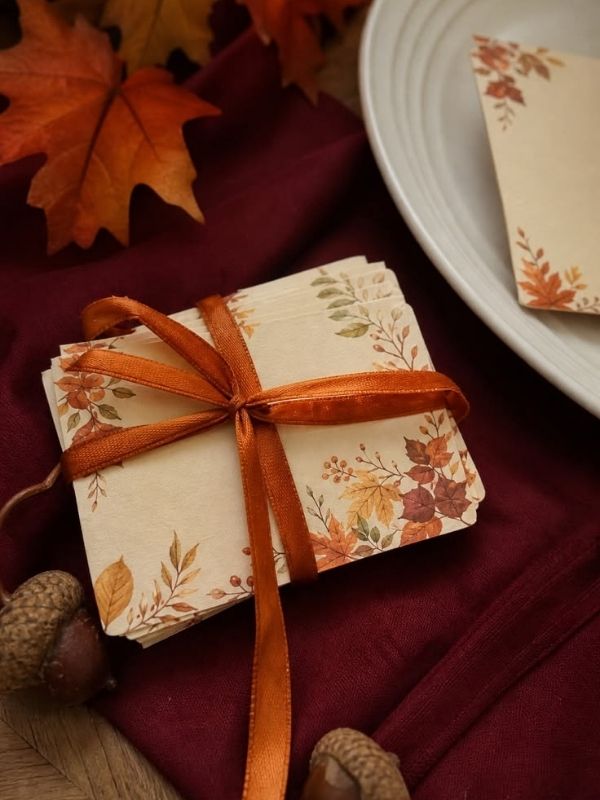
A thankful card exchange gives family members a chance to express appreciation directly to one another. Before guests arrive, prepare blank cards, colored pencils, markers, stickers, and envelopes. Then, invite each participant to create a card for someone in the family or for a guest they would like to appreciate.
The message does not need to be complicated. Children might thank a sibling for sharing toys, while adults can recognize someone who regularly offers help. Grandparents may enjoy receiving cards that mention a favorite memory or a lesson they have shared. In addition, participants can decorate their cards with autumn leaves, colorful pumpkins, or simple drawings.
For a surprise version, write everyone’s names on separate slips of paper and place them in a bowl. Each person draws a name and creates a card for that individual. If someone draws their own name, simply let them choose again.
Afterward, guests can exchange their cards privately or read their messages aloud. Choose whichever approach makes everyone comfortable. Some relatives enjoy public appreciation, whereas others prefer a quieter moment.
These 30 Thanksgiving gratitude games are especially meaningful when they encourage specific messages instead of generic compliments. Rather than writing only that someone is wonderful, encourage guests to mention a helpful action, a shared experience, or a quality they genuinely appreciate.
You may also like
15 Thanksgiving Potluck Ideas for Work Everyone Will Love
30 Thanksgiving Punch and Cocktail Ideas for Your Holiday Gathering
40 Easy Thanksgiving Crafts for Kids and Adults to Make Together
15 Fun Thanksgiving Activities for Couples to Enjoy Together at Home
4. The Thanksgiving Gratitude Scavenger Hunt

A gratitude scavenger hunt combines movement, observation, and appreciation. Instead of searching for expensive prizes, players look for ordinary things that represent comfort, kindness, family, or happy memories. This makes the activity suitable for children and adults alike.
Before the game begins, prepare a list of prompts. Participants might look for something that reminds them of a loved one, an object used to prepare the Thanksgiving meal, a family photograph, something that makes them laugh, or an item connected to a favorite tradition. You can print the list or read each prompt aloud.
Players can work individually or form mixed-age teams. However, establish clear boundaries before anyone starts searching, especially if young children are participating. Keep the activity within safe, accessible areas of the home or garden.
When everyone returns, ask participants to explain one or two of their discoveries. A photograph might remind someone of a family trip, while a cooking utensil could lead to a story about learning a recipe from a relative.
Unlike a traditional scavenger hunt, this version rewards thoughtful observations rather than speed. You can even award playful titles such as Most Thoughtful Discovery or Best Family Memory. The point is to notice the everyday details that make a gathering meaningful.
5. The Thankful Alphabet Challenge
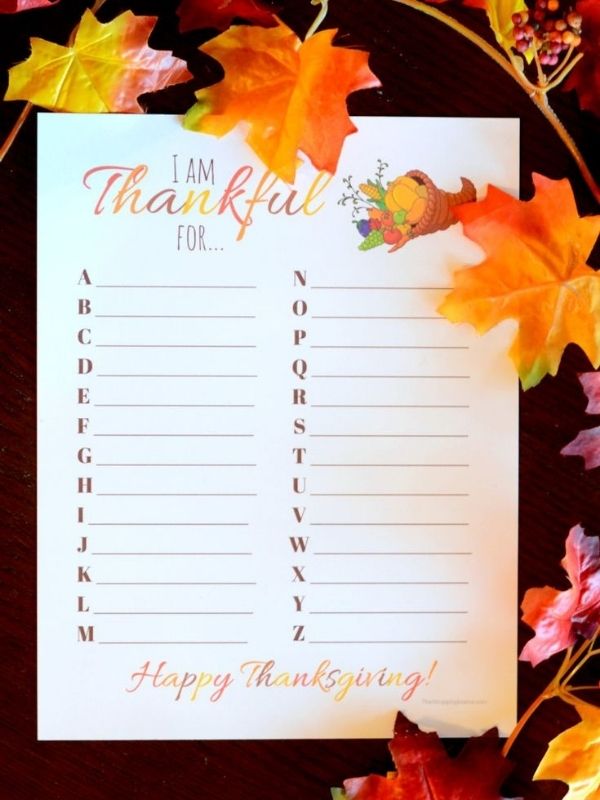
The thankful alphabet challenge encourages players to think creatively while exploring different reasons to feel appreciative. To play, work through the alphabet and find a person, experience, object, or quality connected to each letter. For example, A might stand for affection, B for a best friend, and C for cooking together.
You can play as one large group or divide the family into smaller teams. Give participants a short amount of time to think of an answer for each letter. Alternatively, take turns moving through the alphabet at a relaxed pace. Younger children may need help with difficult letters, so allow descriptive phrases rather than requiring a single word.
To make the game more interesting, ask participants to explain some of their answers. Someone who chooses F for family might share a memory of a previous Thanksgiving, while another player could select H for helpfulness and describe a recent act of kindness.
There is no need to complete the entire alphabet if time is limited. Instead, choose ten letters or let the group stop when the conversation naturally moves elsewhere.
When exploring these 30 Thanksgiving gratitude games, consider how simple word games can help children develop language skills while thinking about positive experiences. Adults benefit from the opportunity to pause and notice things they might otherwise overlook during a busy holiday.
6. Thanksgiving Gratitude Charades
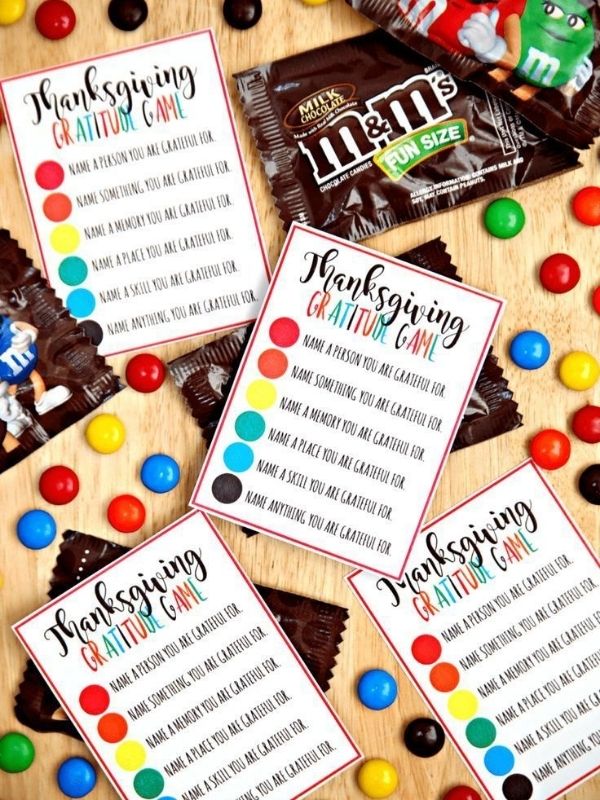
Gratitude charades adds laughter to a Thanksgiving gathering while encouraging players to think about meaningful experiences. In this version, participants act out people, activities, or moments they appreciate without speaking. Everyone else tries to guess the answer.
Prepare slips of paper with ideas such as helping a friend, baking with a grandparent, playing with a pet, sharing a meal, receiving a thoughtful gift, or enjoying a family walk. Fold the slips and place them in a bowl. Players then take turns choosing a prompt and acting it out.
For younger participants, keep the prompts familiar and easy to recognize. Older children and adults can try more challenging situations, including remembering a special celebration or describing a helpful action through gestures alone.
Divide everyone into teams if you want to introduce points. Nevertheless, keep the competition friendly and avoid eliminating players who struggle to guess correctly. You can award a point for every correct answer, but the stories and laughter matter more than the final score.
After each round, invite the actor to explain why they selected that experience if they feel comfortable doing so. This extra step connects the entertainment to the meaning of Thanksgiving.
Among these 30 Thanksgiving gratitude games, charades is a useful option for families who prefer active entertainment to sitting around answering questions. It also allows quieter guests to participate without delivering a speech.
7. The Favorite Family Memory Game
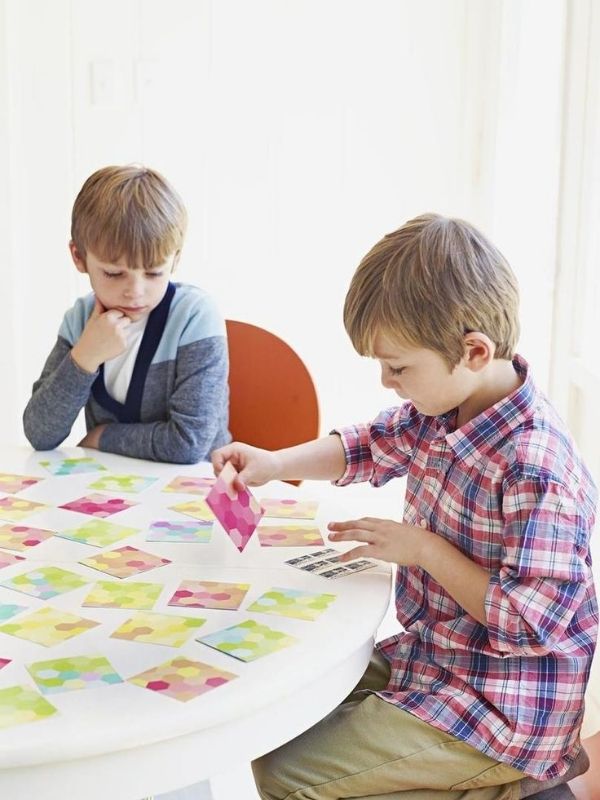
Family memories often become the most treasured part of Thanksgiving, especially when relatives have not seen one another for a long time. This game invites everyone to revisit enjoyable experiences and learn something new about the people they love.
Begin by asking each participant to think of a favorite family memory. It might involve a birthday celebration, a holiday trip, a funny kitchen mishap, or an ordinary afternoon that became unexpectedly memorable. Give everyone a few minutes to choose a story.
Next, take turns sharing the memories. After each story, other family members can guess the year, location, or people involved. You can also ask questions about the event, provided the storyteller is happy to share more details.
For an alternative version, write short descriptions of memories on separate cards before the gathering. Read each card aloud and invite the family to guess who contributed the story. Keep the activity focused on pleasant or comfortable memories, since not every family experience is suitable for a group game.
This activity can also help younger relatives discover family traditions they have never heard about. A grandparent’s story about childhood celebrations may inspire a conversation about how Thanksgiving has changed over time.
These 30 Thanksgiving gratitude games can strengthen family connections when they create opportunities to listen. Even familiar stories may reveal new details, helping everyone appreciate the people and experiences that shaped their family’s history.
8. The Family Compliment Circle

A family compliment circle gives everyone a chance to recognize positive qualities in the people around them. It works well before dessert, during a relaxed afternoon gathering, or whenever the family wants a quieter activity.
Ask participants to sit in a circle and choose the person who will receive the first compliment. The person speaking should mention a specific quality or action they appreciate. For example, they might thank someone for being patient, making others laugh, or offering help when it was needed.
After the compliment, the recipient can say thank you before the next person takes a turn. Continue until everyone has received an appreciation message. In a large gathering, participants can work in smaller circles to give everyone enough time.
Specific compliments usually feel more meaningful than general statements. Saying that someone is kind because they regularly include others gives the recipient a clear example of the behavior being appreciated. Similarly, recognizing someone’s creativity or sense of humor can make the moment feel personal.
However, nobody should be required to speak if they feel uncomfortable. Participants may write compliments instead or simply listen. Also, avoid comparisons that suggest one family member is more valuable than another.
Of all the 30 Thanksgiving gratitude games, this one can be especially useful for encouraging supportive communication. It reminds family members that appreciation does not have to wait for birthdays, achievements, or major celebrations.
9. Thanksgiving Gratitude Bingo

Thanksgiving gratitude bingo gives a familiar party game a thoughtful twist. Instead of using numbers, fill bingo squares with statements about positive experiences, family traditions, and helpful actions.
Possible squares include someone who enjoys cooking, a person who helped prepare the table, someone who remembers a funny family story, a guest who traveled a long distance, or a participant who has learned something new this year. Make different bingo cards so players have slightly different combinations.
To play, read the statements aloud or let guests mingle and find people who match the descriptions. Participants can mark a square when they identify a suitable answer. If you choose the mingling version, make sure the prompts do not require anyone to disclose private information.
The first player to complete a row can call bingo. However, you can keep the activity going until several participants have completed a line or the group has discussed most of the prompts. Small prizes might include choosing the next family game or selecting a dessert.
This activity works particularly well when relatives, friends, and neighbors are meeting for the first time. It offers easy conversation starters and gives guests a reason to interact without feeling pressured to make small talk.
When choosing among these 30 Thanksgiving gratitude games, bingo is a practical option for larger gatherings because the rules are familiar and easy to explain. You can also make the cards reusable by laminating them or placing them inside clear plastic sleeves.
10. The Thanksgiving Thankful Tree
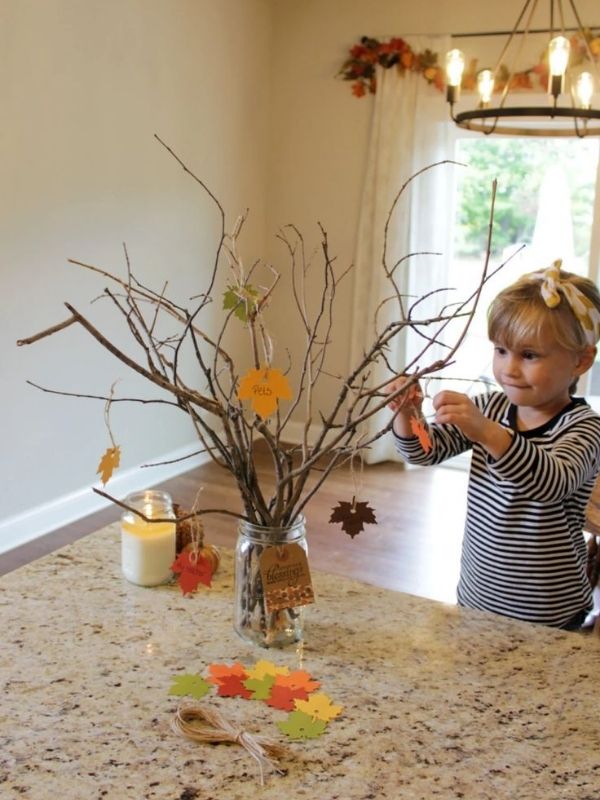
A thankful tree combines a simple craft with an opportunity to reflect on appreciation. To prepare it, arrange a few clean branches in a sturdy vase or draw a large tree on a sheet of paper. Next, cut paper leaves in autumn colors and place them beside the display.
Invite each guest to write one thing they appreciate on a leaf. Younger children can draw pictures or ask an adult to write their answers. Some people might mention family, while others may choose friendship, a favorite activity, a comfortable home, or an opportunity to learn.
Once the leaves are ready, attach them to the branches using string, ribbon, or small clips. If you are using a paper tree, guests can glue their leaves onto the drawing. Gradually, the display becomes a colorful collection of thoughts from everyone at the gathering.
You can introduce a theme to make the craft more engaging. For example, use one color for people, another for experiences, and a third for everyday comforts. Nevertheless, avoid making the activity overly complicated, particularly when young children are involved.
After dinner, invite guests to read a few leaves and notice the variety of answers. You can keep the tree displayed for the remainder of the holiday season.
This is one of the 30 Thanksgiving gratitude games that also works as a decoration. It brings a personal touch to the room while reminding everyone that appreciation can grow through small, consistent moments.
Save for later
35 Thanksgiving Bulletin Board Ideas to Make Your Classroom More Festive
20 Thanksgiving Breakfast and Brunch Ideas for a Cozy Morning
60 Fall and Thanksgiving Nail Ideas to Try This Season
10 Thanksgiving Vegetable Ideas Everyone Will Love
11. Draw What You Are Thankful For
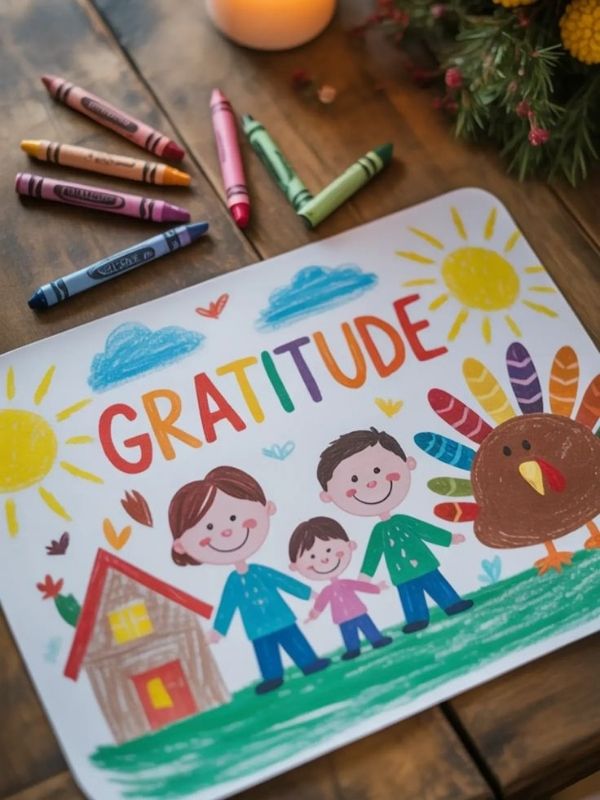
Not every family member enjoys writing, and that is perfectly fine. A gratitude drawing game allows participants to express appreciation through pictures instead of words. It is particularly useful for younger children, although teenagers and adults may enjoy it too.
Gather paper, crayons, colored pencils, or washable markers. Then, ask everyone to draw something they appreciate. The subject could be a beloved pet, a favorite meal, a supportive friend, a family tradition, or a place where they feel comfortable.
Give participants enough time to finish without comparing their artistic skills. Once everyone is ready, invite each person to show their drawing and explain the meaning behind it. Someone might draw a simple house to represent time spent with family, while another could illustrate a memorable afternoon outdoors.
For an alternative version, turn the game into a guessing challenge. Participants display their pictures without explaining them, and everyone tries to identify what the drawing represents. The artist can reveal the answer afterward.
You can also create a family gratitude gallery by displaying the pictures on a wall or placing them on the dining table. If guests agree, take photographs of the artwork to preserve the memories.
Among these 30 Thanksgiving gratitude games, drawing is an accessible option for mixed-age groups. It allows people to participate according to their abilities, and it often leads to conversations that might not emerge from a traditional question-and-answer activity.
12. The Thankful Word Chain
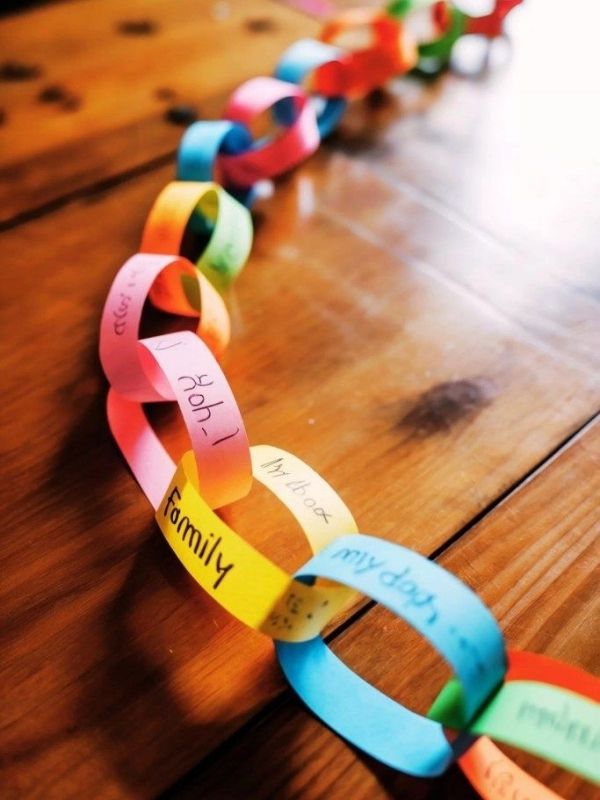
The thankful word chain is a quick game that requires no special supplies. Players sit together and take turns naming something they appreciate. Each answer must connect to the previous response in some way, creating a chain of related ideas.
For example, one person might say family, the next could mention cooking because they enjoy preparing meals with relatives, and another might choose recipes because a family member taught them to make a favorite dish. The chain continues as long as participants can make meaningful connections.
If someone gets stuck, allow a short pause or let another player offer a gentle suggestion. The purpose is to encourage creative thinking rather than catch people out. You can also set a theme for each round, such as helpful people, favorite experiences, or small comforts.
For a more challenging version, require every answer to begin with the final letter of the previous word. If the first answer is kindness, the next might begin with S. However, this rule can make the game harder for younger children, so use it only if the group enjoys word puzzles.
The game works well between courses because a round can last just a few minutes. It is also easy to restart whenever new guests arrive.
These 30 Thanksgiving gratitude games do not all need elaborate preparation. Sometimes, a simple word chain creates enough laughter and conversation to make a family gathering feel more connected.
13. The Kindness Memory Quiz

The kindness memory quiz invites family members to remember helpful actions they have witnessed or experienced. Unlike a general trivia game, the questions focus on thoughtful gestures, acts of cooperation, and moments when someone made another person’s day easier.
Before the gathering, prepare a few questions that are suitable for the people attending. You might ask who helped organize a recent family event, which relative enjoys sharing recipes, or what kind gesture someone remembers from the past year. Keep the answers positive and avoid questions that could embarrass a participant.
During the game, divide the family into teams or let everyone answer individually. Read one question at a time and give players a moment to think. Award points for accurate answers, but accept reasonable alternatives when a question allows more than one interpretation.
After revealing an answer, invite the people involved to share a little more about the experience. This turns a quiz into a conversation about cooperation and care. For instance, remembering who helped prepare a celebration can lead to a discussion about how many people contributed behind the scenes.
If you are hosting guests who do not know one another well, use general questions about kindness instead of family-specific memories. That way, everyone can participate.
These 30 Thanksgiving gratitude games can help make appreciation more concrete by drawing attention to actions rather than vague ideas. The quiz also reminds children that kindness often happens through ordinary choices, including sharing, listening, and offering assistance.
Bookmark
30 Thanksgiving Makeup Ideas for a Gorgeous Holiday Look
40 Thanksgiving Decorating Ideas for a Warm and Cozy Celebration
25 Thanksgiving Party Theme Ideas for a Fun and Memorable Celebration
14. Roll the Gratitude Dice
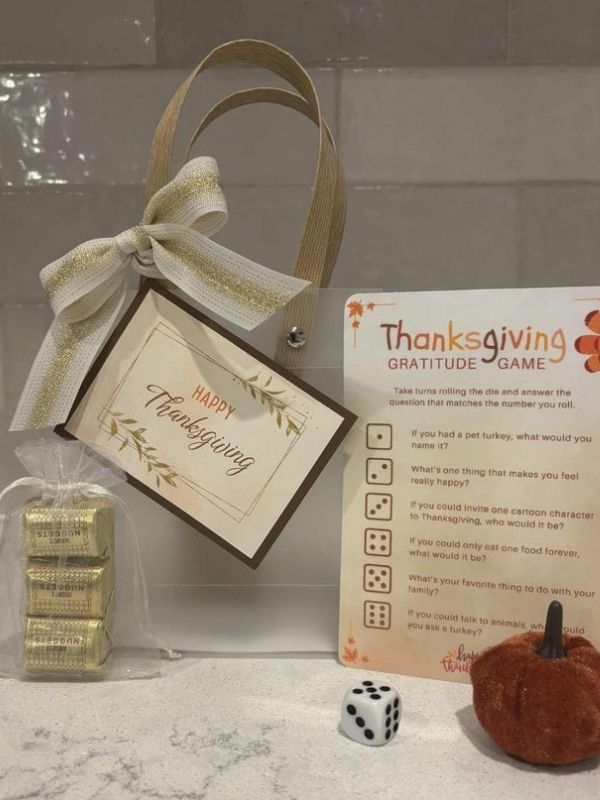
Gratitude dice introduce an element of chance that keeps the activity moving. You will need one large die or a homemade cube with a different prompt written on each side. The prompts can cover people, experiences, places, helpful actions, lessons, and everyday comforts.
Players take turns rolling the die and responding to the category that appears. For example, a prompt about people might encourage someone to mention a friend who has been supportive. A question about lessons could invite another player to describe something useful they learned this year.
To make the game suitable for younger participants, keep the questions short and allow them to answer with a few words. Older guests may enjoy explaining their choices in more detail. You can also let players choose between two prompts if they prefer not to answer a particular question.
If you do not have a die, use numbered cards or fold six prompts into small pieces of paper. The activity works equally well with either method.
Consider adding a special round in which everyone responds to the same prompt. This gives the group an opportunity to notice similarities and differences in their answers.
Among these 30 Thanksgiving gratitude games, gratitude dice are particularly convenient because the format can be reused throughout the year. Change the prompts for birthdays, family reunions, or ordinary weekend gatherings, and you have another simple way to encourage thoughtful conversation.
15. The Thank-You Note Station

A thank-you note station gives guests time to appreciate people who may not be present at the Thanksgiving celebration. Set up a small table with blank cards, envelopes, pens, stickers, and a few examples of simple messages to help anyone who needs inspiration.
Invite family members to write to a teacher, neighbor, friend, coach, relative, or another person who has made a positive difference in their lives. The message can recognize a helpful action, a thoughtful gift, a useful lesson, or a moment when someone offered encouragement.
Children can draw pictures or dictate their messages to an adult. Meanwhile, older participants might prefer writing longer notes that describe a meaningful experience. Encourage everyone to use their own words rather than copying a formal template.
Once the cards are complete, guests can address and seal them. They may take the notes home to deliver later or place them in a basket until the end of the celebration. There is no need to read every message aloud because some expressions of appreciation are best kept private.
For families who enjoy traditions, make the station part of Thanksgiving every year. Keep a small record of the activity and invite everyone to write at least one note during each celebration.
These 30 Thanksgiving gratitude games can extend the spirit of the holiday beyond the people sitting at the table. A sincere note may brighten someone’s day, and writing one can help the sender reflect on the support they receive throughout the year.
16. Gratitude Hot Potato

Gratitude hot potato adds movement and excitement to a familiar party game. Find a soft ball, a fabric pumpkin, or another lightweight object that is safe to pass around. Have everyone sit in a circle while one person controls the music or calls out instructions.
As the music plays, participants pass the object from one person to another. When the music stops, whoever holds it answers a gratitude prompt. The question might ask them to name a favorite family tradition, something that made them smile recently, or a person they appreciate.
After answering, the player can choose the next prompt or help restart the music. Continue until everyone has had an opportunity to participate. For a large group, you can use two objects to keep the game lively, provided the instructions remain easy to follow.
Avoid using elimination rules that leave children sitting out for long periods. Instead, let everyone remain in the circle and keep playing. This approach makes the activity more inclusive and prevents the focus from shifting entirely to winning.
You can also adapt the game for a quiet indoor setting by passing a paper pumpkin rather than a ball. If younger children are involved, keep the music at a comfortable volume and allow plenty of space.
Among these 30 Thanksgiving gratitude games, hot potato is a useful choice for families who want to break up long periods of sitting. It combines quick thinking with light physical activity while keeping appreciation at the center of the game.
17. The Thanksgiving Gratitude Photo Challenge

A gratitude photo challenge encourages family members to notice meaningful details and capture them through photography. It is especially enjoyable for families who already like taking holiday pictures or exploring their surroundings together.
Prepare a list of photo prompts before the game begins. Participants might photograph a favorite Thanksgiving decoration, a dish that reminds them of home, a family activity, a small act of kindness, or something that makes the gathering feel welcoming. If guests prefer not to appear in photographs, focus on objects, food, decorations, and other details.
Players can use phones or cameras they already have. However, establish a few simple rules: ask permission before photographing people, avoid posting images without consent, and keep devices away during moments when the family wants to focus on conversation.
Afterward, gather everyone and let participants share a few selected photographs. Ask them what made each subject meaningful. A picture of a well-used recipe card, for example, may reveal a story about a relative who taught several generations how to prepare a favorite dish.
You do not need to judge the photographs based on technical quality. Instead, offer playful categories such as Most Unexpected Detail, Favorite Tradition, or Best Story Behind a Picture.
These 30 Thanksgiving gratitude games offer opportunities for different interests, and photography is a good fit for family members who enjoy visual activities. The finished collection can become a private album that captures not only what Thanksgiving looked like but also what people appreciated about it.
18. The Thanksgiving Gratitude Storytelling Game
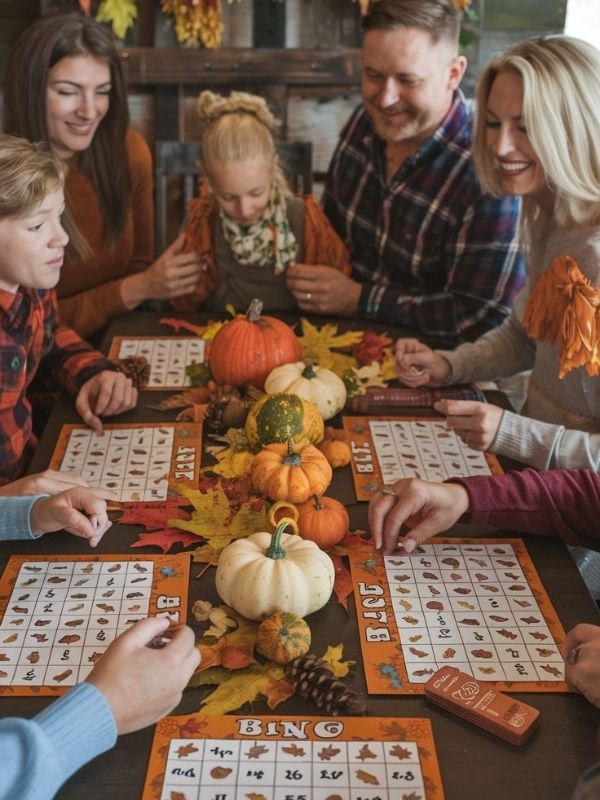
Storytelling brings gratitude to life by connecting appreciation with real experiences. To begin, prepare a collection of prompts that encourage players to remember helpful people, favorite traditions, meaningful lessons, or unexpected moments of happiness.
One person starts by choosing a prompt and sharing a short story. For example, they might describe a time a friend helped them complete a difficult task or recall a family gathering that became memorable for an unexpected reason. Afterward, the next participant selects a new prompt and shares their own experience.
For a more playful version, introduce three random words that the storyteller must include. A player might receive the words autumn, laughter, and kindness, then create a short story about a Thanksgiving celebration. The story can be real or fictional, provided everyone understands which it is.
Encourage participants to keep their stories reasonably brief so that everyone gets a turn. At the same time, allow flexibility when someone is sharing a particularly meaningful memory. There is no need to rush a conversation simply to finish a list of questions.
You can adapt the game for children by using picture prompts or letting them tell stories with the help of an adult. Older relatives may enjoy describing traditions that have changed over the years.
Of these 30 Thanksgiving gratitude games, storytelling is especially valuable for creating shared memories. It allows family members to understand why certain people, experiences, and traditions matter to one another.
19. Guess Who I Appreciate

This guessing game combines appreciation with a little mystery. Before Thanksgiving dinner, ask participants to write down the name of someone they appreciate and one or two reasons for choosing that person. The person can be a family member, friend, teacher, neighbor, or another individual who has made a positive difference.
Collect the folded notes in a bowl. Then, read one note aloud without revealing the name. The rest of the group tries to guess who is being described. Once the guesses are complete, reveal the name and allow the writer to explain their choice if they wish.
For a family-only version, limit the answers to people attending the celebration. For a broader version, include people who are not present. The latter option can introduce conversations about teachers, community members, and friends who contribute to everyday life.
Make sure the notes remain respectful. Participants should not be required to reveal sensitive details or explain personal relationships. If someone writes about a private experience, skip the note or let the writer share it privately.
You can award a point for a correct guess, although the activity works perfectly well without scoring. The aim is to discover the many different ways people contribute to one another’s lives.
When planning these 30 Thanksgiving gratitude games, consider including a guessing activity if your family enjoys surprises. It offers an engaging way to recognize people while allowing everyone to participate at a comfortable level.
Bookmark these posts
18 Simple Thanksgiving Dinner Ideas for Small Families
30 St. Patrick’s Day Craft Ideas for Kids to Make at Home or School
30 Butterfly Craft Ideas for Kids That Are Easy and Fun
20. Thanksgiving Gratitude Pictionary
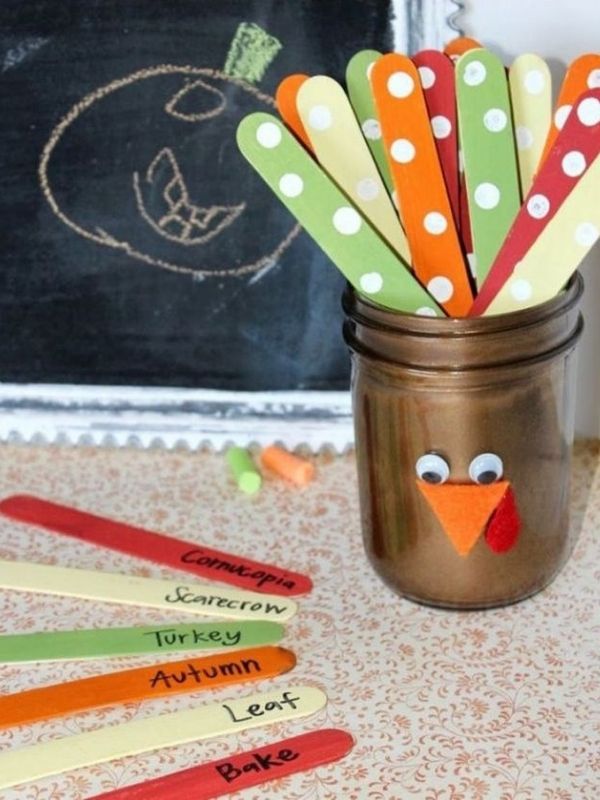
Gratitude Pictionary transforms appreciation into a drawing-and-guessing challenge. Prepare cards containing simple words or phrases related to Thanksgiving, kindness, and meaningful experiences. Examples include sharing a meal, helping a neighbor, family photographs, a warm home, friendship, or a favorite tradition.
Divide the group into teams if you want a competitive format. A player draws a card and sketches the idea while teammates try to guess it. Set a short time limit for each round, but keep the rules flexible for younger children who may need extra time.
Players should not write words, numbers, or letters in their drawings if you want to follow traditional Pictionary rules. Nevertheless, you can simplify the activity by allowing gestures or clues when the group finds a prompt difficult.
Once a team guesses correctly, ask the artist to explain why the idea represents something worth appreciating. This brief conversation connects the drawing to the holiday’s theme without interrupting the game’s pace.
You do not need artistic talent to enjoy the activity. In fact, funny or confusing drawings often create the most memorable moments. Keep the focus on participation instead of criticizing anyone’s work.
Among these 30 Thanksgiving gratitude games, Pictionary is ideal for families who enjoy guessing games and friendly competition. It also offers an alternative to activities that depend on writing or speaking at length, making it easier for different personalities to join in.
21. The Family Kindness Coupon Exchange
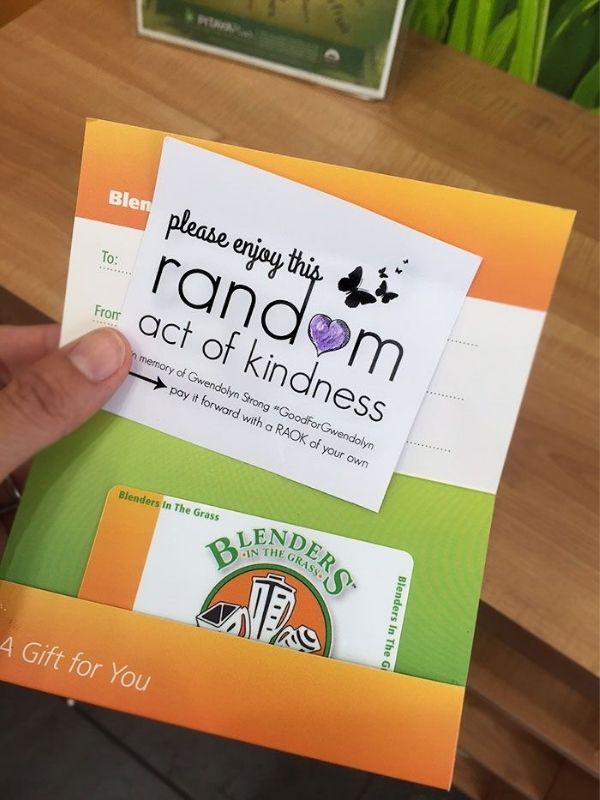
A kindness coupon exchange turns appreciation into practical actions that family members can offer one another. Instead of purchasing gifts, participants create simple coupons promising a helpful or enjoyable activity they can reasonably complete.
Examples include helping clear the table, reading a story together, playing a favorite game, assisting with a household task, or spending time on a shared hobby. Children can make coupons for age-appropriate activities, while adults may offer help with tasks that genuinely suit their schedules.
Provide paper, pens, and art supplies so everyone can personalize their coupons. Once the coupons are ready, place them in envelopes or let participants exchange them directly. You can also organize a draw in which each person receives a coupon from another family member.
The most important rule is that every promise should be realistic. Avoid coupons that require expensive purchases, uncomfortable activities, or commitments that the giver cannot fulfill. Explain that the coupons are thoughtful offers rather than obligations that should create conflict.
Families can decide when to redeem the coupons. Some may prefer to use them immediately, while others can save them for a quiet weekend or another suitable occasion.
These 30 Thanksgiving gratitude games can encourage appreciation through actions as well as words. A coupon for help with a task may seem small, but it can communicate care in a practical way. The activity also reminds children that kindness often involves noticing what another person needs and responding thoughtfully.
22. The Thankful Family Playlist
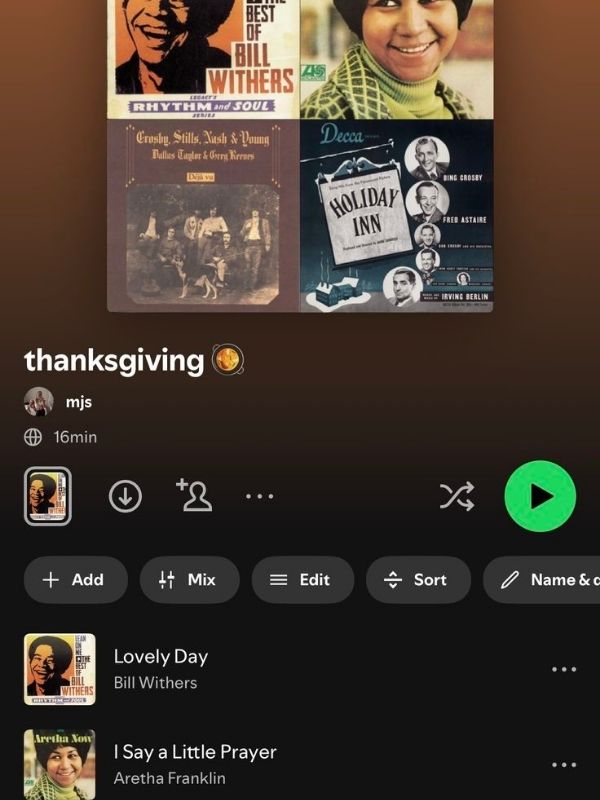
Music can bring back memories quickly, making a family playlist a natural addition to Thanksgiving celebrations. For this game, invite each participant to choose a song that reminds them of a person, a meaningful experience, a happy moment, or a family tradition.
Before the gathering, ask guests to submit their selections or let them choose songs during the activity. Play a short excerpt from each selection, then invite the person who chose it to explain why it matters to them. A song might remind someone of a childhood celebration, a family road trip, or a time when music helped them feel encouraged.
You can also create themed rounds. One might focus on songs associated with happiness, another on music shared across generations, and a third on songs that remind participants of home. Keep the selection appropriate for the people attending and respect different musical preferences.
If the family has limited internet access, prepare downloaded music in advance or use songs already available in a household collection. Remember to keep the volume comfortable so everyone can hear the conversation.
For an extra challenge, let the group guess who selected each song before the explanation. This can be especially entertaining when relatives have different tastes.
Among these 30 Thanksgiving gratitude games, a playlist is a good choice for families who enjoy music more than traditional board games. It also provides an opportunity to discover new songs and understand the memories attached to familiar favorites.
23. The Thanksgiving Gratitude Walk

A gratitude walk takes the activity outdoors and encourages participants to notice the world around them. Choose a safe route through a garden, park, quiet neighborhood, or another accessible area. The walk can be short, and participants can move at a comfortable pace.
Before setting off, give everyone a few observation prompts. They might look for something beautiful, something that reminds them of a favorite memory, a sign of seasonal change, or an ordinary detail they usually overlook. Participants can also notice sounds, colors, textures, and natural features along the way.
When the group returns, invite everyone to share one discovery. A child might describe a colorful leaf, while another participant could mention a peaceful place or a friendly interaction. The point is not to collect objects but to pay attention to the surroundings.
For families who prefer a more structured challenge, prepare a checklist of things to observe. Avoid disturbing wildlife or taking items from places where they should remain undisturbed. If someone has limited mobility, adapt the activity by observing from a porch, window, or comfortable outdoor seating area.
A gratitude walk can also provide a welcome pause between a large meal and the next activity. Fresh air and gentle movement may make the gathering feel less hectic.
These 30 Thanksgiving gratitude games include options for both indoor and outdoor settings. This one is particularly suitable for families who want to combine conversation with a little time away from screens.
24. The Thanksgiving Table Question Game
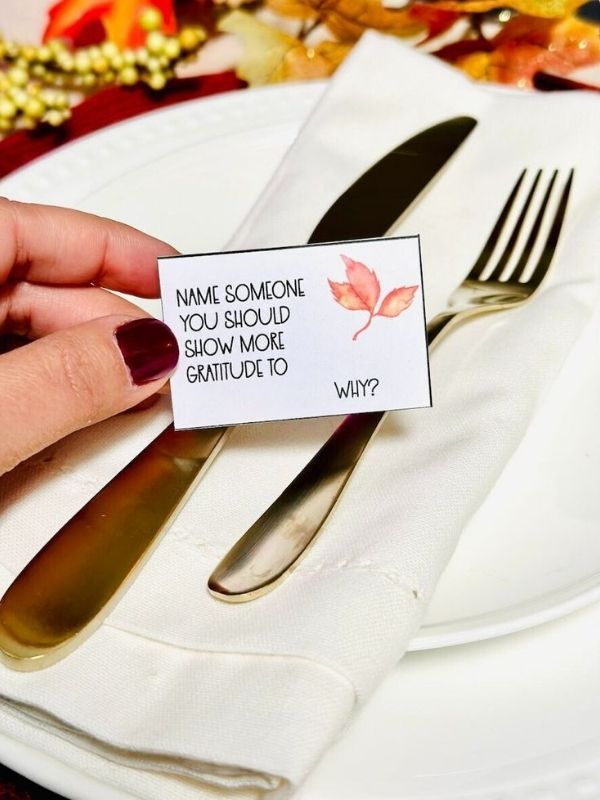
The Thanksgiving table question game makes conversation part of the meal without requiring extra equipment. Before dinner, write thoughtful questions on small cards and place them in a bowl or arrange them around the table.
Prompts might include asking about a small thing that made someone happy recently, a skill they appreciate having learned, a family tradition they hope continues, or a person who has taught them something valuable. You can also include lighthearted questions about favorite meals, enjoyable hobbies, and funny family experiences.
During dinner, invite guests to choose a card whenever the conversation reaches a natural pause. The person who selects the card can answer first, then offer the question to others who would like to respond.
Keep the prompts varied so the game does not feel like an interview. A few amusing questions can balance more reflective ones, especially when children are present. Furthermore, avoid questions that encourage comparisons, reveal private information, or place anyone under pressure.
If you are hosting a large gathering, print several copies of the prompts and place them at different ends of the table. That way, smaller groups can talk without everyone needing to hear every answer.
Of all these 30 Thanksgiving gratitude games, this option is among the easiest to organize. It fits naturally into the celebration and can help guests move beyond routine conversations about food, work, or the weather.
25. The Thanksgiving Gratitude Paper Chain
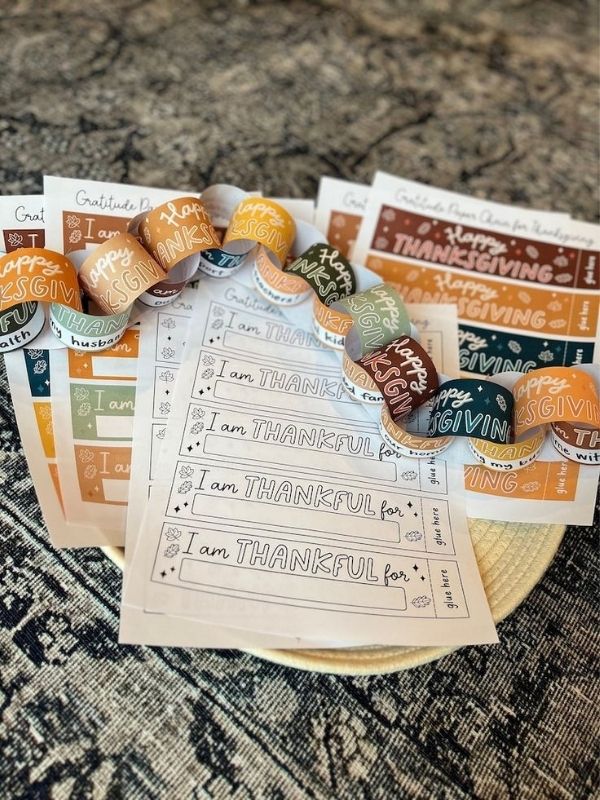
A gratitude paper chain creates a colorful decoration while giving everyone a chance to recognize something they appreciate. Prepare strips of colored paper, pens, tape, or glue. Choose autumn shades if you want the finished chain to complement your Thanksgiving decorations.
Ask each guest to write one appreciation message on a strip. It might mention a supportive person, a happy experience, a useful lesson, or a simple comfort. Younger children can draw pictures, while adults can write short phrases.
Next, form the strips into loops and connect them to build a chain. One person can start the first loop, and each participant can add another link. Continue until the chain reaches the desired length.
As you work, invite guests to share their messages if they feel comfortable. Alternatively, keep the notes private and enjoy the finished decoration without reading every strip aloud. The choice depends on the family’s preferences.
You can hang the chain along a wall, across a doorway, or near the dining area, provided it is positioned safely away from flames and hot cooking equipment. If you want to preserve it, store it carefully after the holiday.
These 30 Thanksgiving gratitude games offer different ways to express appreciation, and the paper chain gives the group a visible reminder of everyone’s contributions. Each loop represents a separate thought, yet the finished decoration depends on all the pieces coming together.
26. The Family Gratitude Quiz

A family gratitude quiz combines simple questions with opportunities to reflect on experiences, traditions, and positive actions. Unlike a quiz that tests detailed personal knowledge, this version encourages participants to think about what they appreciate and what they know about one another.
Prepare several categories, such as family traditions, favorite memories, helpful habits, everyday comforts, and Thanksgiving facts. Include a mixture of easy questions and open-ended prompts. For example, players might identify a shared family tradition or name one activity that helps everyone relax during a busy week.
Divide the group into teams or let everyone answer independently. Give participants enough time to discuss their responses, especially if children and adults are playing together. You can award points for factual answers and recognize thoughtful responses in the open-ended rounds.
To make the game more inclusive, avoid questions that depend on expensive experiences, private family details, or achievements that some participants may not have had the opportunity to experience. The activity should give everyone a fair chance to contribute.
At the end, invite each team to share one answer they found particularly interesting. This final round can lead to conversations about traditions the family might want to start or continue.
When choosing among these 30 Thanksgiving gratitude games, a quiz works well for groups that enjoy a little structure. It can be adapted to different ages, and you can reuse the same format for birthdays, reunions, and other family occasions.
27. The Thanksgiving Kindness Spotlight
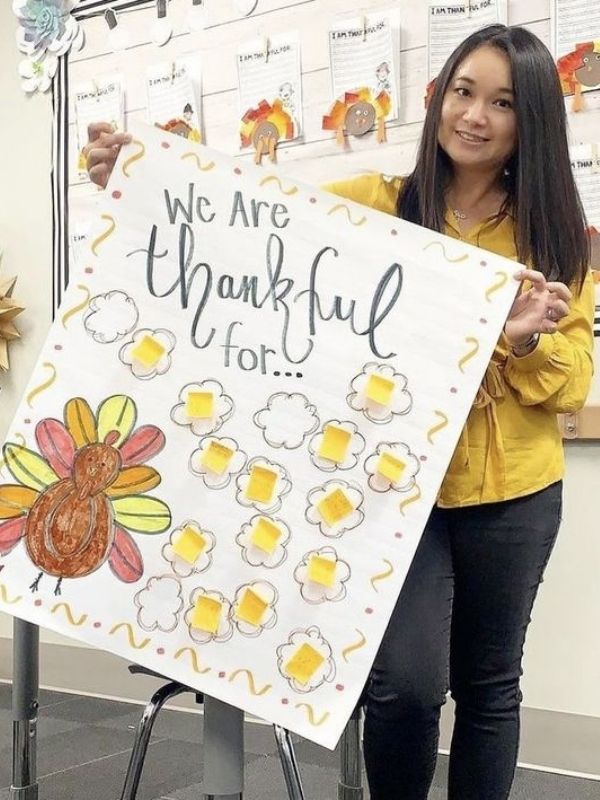
The kindness spotlight celebrates helpful actions that family members have noticed during the year. It is not about deciding who is the kindest person or comparing people’s contributions. Instead, everyone gets an opportunity to recognize thoughtful behavior.
To begin, give each participant a few minutes to think of a kind action they witnessed or experienced. It could be someone helping with a difficult task, making a guest feel welcome, listening when a friend needed support, or sharing time with a family member.
Invite volunteers to describe the action without immediately naming the person involved. The rest of the group can guess who they think the story is about. Afterward, the speaker may reveal the name if the person is present and comfortable being recognized.
For a quieter version, write the stories on cards and let an adult read them aloud. Guests can then discuss why the action was helpful and how similar gestures might be repeated in everyday life.
Be mindful of privacy. Do not share stories that expose another person’s difficulties or reveal information they would rather keep private. If a story is sensitive, choose another example or keep the appreciation private.
These 30 Thanksgiving gratitude games can help families pay attention to the small acts that support relationships. A kindness spotlight also reinforces the idea that people do not need to make grand gestures to have a positive effect on others.
28. The Thanksgiving Recipe Memory Game
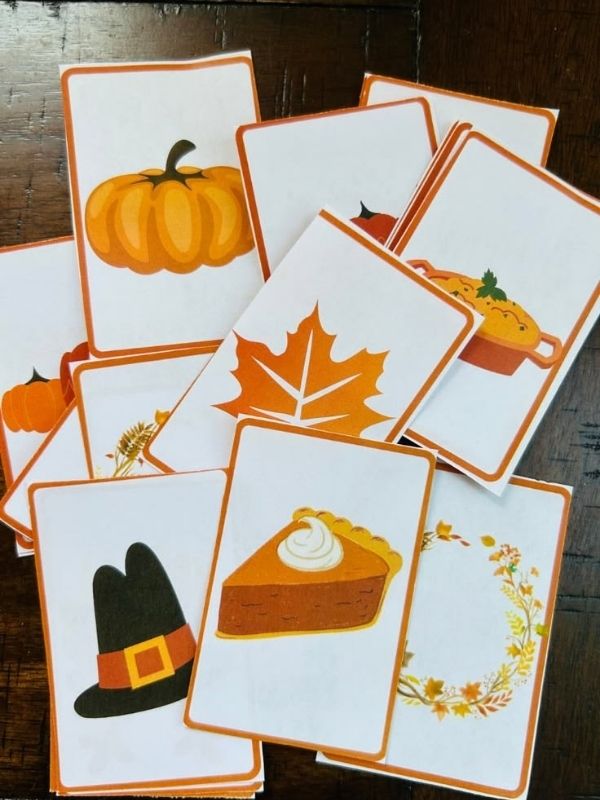
Food often connects family members to places, people, and traditions. The Thanksgiving recipe memory game uses those connections to encourage storytelling while celebrating the dishes everyone enjoys.
Before the meal, write the names of familiar dishes on cards. You might include roasted vegetables, pies, family favorites, traditional side dishes, or recipes that relatives prepare for special occasions. Players take turns drawing a card and describing a memory associated with that dish.
For example, someone might remember learning to bake with a grandparent, helping prepare a celebration meal, or discovering a new favorite food at a family gathering. If a player does not have a personal memory connected to the dish, they can describe why they enjoy it or invent a lighthearted fictional story.
You can also make the activity a guessing game. Read a description of a dish without naming it, and let the family identify the recipe. For a more challenging round, ask participants to guess which relative usually prepares it.
Be considerate of different dietary needs and food preferences. No one should have to explain why they avoid a particular dish, and the game should never pressure anyone to eat something they do not want.
Among these 30 Thanksgiving gratitude games, the recipe memory game is especially useful for families who value cooking traditions. It recognizes the planning, time, and care that often go into a shared meal while giving relatives a chance to preserve stories connected to favorite recipes.
29. The Thanksgiving Keepsake Box
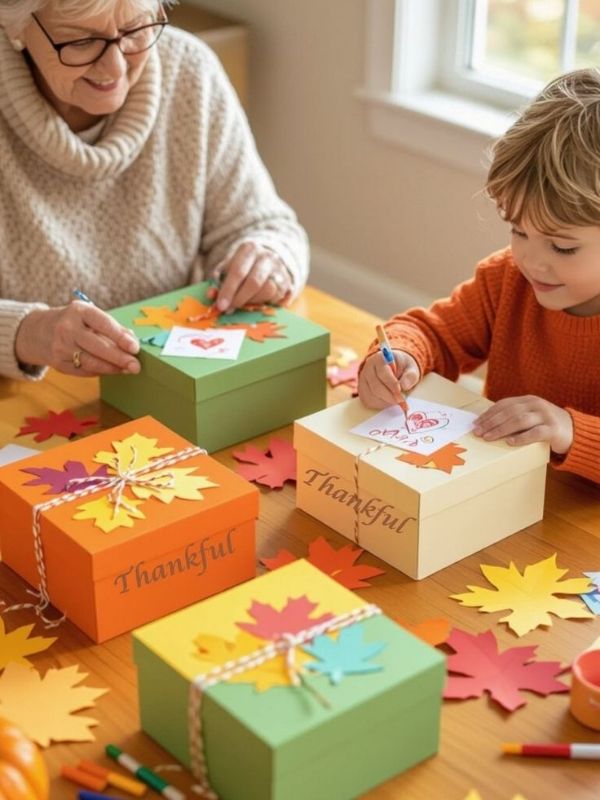
A Thanksgiving keepsake box gives family members a place to collect small reminders of meaningful experiences. Unlike a gratitude jar filled mainly with written notes, this activity can include drawings, copies of photographs, recipe cards, paper decorations, and other lightweight mementos.
Choose a sturdy box and decorate it together before the game begins. Then, invite everyone to contribute one item that represents something they appreciate about the family or the current celebration. If an object is valuable or needed by someone, use a photograph or drawing instead of placing the original in the box.
Ask participants to explain their choices if they wish. A recipe card might represent a beloved family tradition, while a drawing could remind everyone of a funny moment from the afternoon. Children may enjoy decorating the box with stickers and colorful paper.
Once everyone has contributed, close the box and decide where it will be stored. At the next family gathering, reopen it and see which memories everyone remembers. You can also add a new collection each year, clearly marking the date so the items remain organized.
This activity works best when it stays simple. There is no need to collect many objects or spend money on special materials. The meaning comes from the memories attached to each contribution.
These 30 Thanksgiving gratitude games can become family traditions in their own right. A keepsake box allows appreciation to take a physical form and gives future gatherings a chance to revisit the stories, people, and experiences that mattered.
30. The Thanksgiving Gratitude Toast

A gratitude toast offers a warm way to conclude the celebration. It does not need to be formal or lengthy. Instead, invite everyone who wishes to participate to share one thought about the gathering or something they appreciate this year.
Begin by explaining that each person can offer a sentence, a short memory, or a simple wish for the family. Someone might appreciate the opportunity to spend time together, while another person may be grateful for a particular tradition or for the help they received while preparing the meal.
You can make the activity more playful by passing a decorative cup or another safe object around the circle. Whoever holds it gets the opportunity to speak. Participants may pass if they prefer, and no one needs to prepare a speech in advance.
For younger children, provide a few starter phrases, such as “I enjoyed…” or “I appreciate…” Older guests can share longer reflections if they wish. Keep the atmosphere relaxed so the activity feels like a natural conclusion rather than another task on the holiday schedule.
The toast can take place before dessert, after the meal, or just before guests leave. If the family prefers not to speak in front of everyone, invite participants to write their thoughts on cards instead.
As the final activity in these 30 Thanksgiving gratitude games, the gratitude toast brings the celebration back to its central theme. It gives everyone a chance to pause, recognize the people around them, and finish the gathering with a shared moment of appreciation.
Frequently Asked Questions
What are the best Thanksgiving gratitude games for families?
The best Thanksgiving gratitude games depend on the ages, interests, and comfort levels of the people attending. A gratitude jar, thankful tree, and table question game work well for quieter gatherings. Meanwhile, charades, Pictionary, and gratitude hot potato suit families who enjoy lively entertainment. You can combine two or three activities rather than trying to play every game in one afternoon.
How can I make Thanksgiving gratitude games fun for children?
Choose simple instructions, provide colorful materials, and let children participate through drawing, movement, guessing, or short answers. For example, a thankful scavenger hunt can encourage observation, while a paper chain offers a hands-on craft. Moreover, avoid requiring children to give long speeches. They are more likely to enjoy the activity when they can express themselves in different ways.
What Thanksgiving gratitude games can adults and grandparents enjoy?
Memory sharing, a family playlist, a recipe memory game, and a gratitude toast can work well for mixed-age groups. These activities encourage conversation without demanding too much physical movement. However, consider individual preferences and accessibility needs. Allow participants to sit comfortably, use written responses, or skip questions that do not suit them.
How many gratitude games should I plan for Thanksgiving dinner?
Two or three activities are usually enough for one gathering. A short table question game can begin the meal, followed by a creative activity during the afternoon and a gratitude toast before guests leave. Nevertheless, the ideal number depends on your schedule and group size. Leave room for eating, resting, and natural conversation instead of filling every moment with a planned game.
How can I make Thanksgiving gratitude games meaningful rather than awkward?
Keep the questions specific, offer different ways to participate, and avoid forcing anyone to share personal information. Encourage sincere answers instead of searching for perfect words. For instance, appreciating someone’s help with dinner can be just as meaningful as describing a major life experience. Most importantly, let laughter and ordinary conversation happen naturally.
Conclusion
Thanksgiving is an opportunity to slow down, enjoy familiar traditions, and recognize the people who make everyday life more meaningful. With these 30 Thanksgiving gratitude games, you can bring that spirit into your celebration through conversation, crafts, guessing challenges, storytelling, and simple acts of appreciation.
You do not need to organize an elaborate program or purchase expensive supplies. Instead, choose a few activities that suit your family and allow everyone to participate at their own pace. A gratitude jar may become a yearly tradition, a family memory game might reveal stories that younger relatives have never heard, and a simple toast could provide a memorable ending to the day.
Ultimately, the most valuable part of these activities is the time spent listening, laughing, and recognizing one another. Keep the rules flexible, welcome different answers, and remember that appreciation can be expressed in many ways. When family members leave feeling heard and included, the gathering becomes more than a meal. It becomes another meaningful memory to carry into the year ahead.