12 Tips for Helping Kids Adjust to a New School Year
The first few weeks of school can feel exciting, strange, and a little overwhelming all at once. For some children, getting back into the school routine happens quickly. For others, the early mornings, new classroom, different teacher, heavier workload, or unfamiliar classmates can take some time to get used to. That is why having practical 12 tips for helping kids adjust to a new school year can make the transition feel much easier for the whole family.
A new school year is more than buying fresh notebooks and setting an alarm clock. It is also a big emotional transition for children. They may be wondering whether they will make friends, understand their lessons, find their way around school, or fit in with their classmates. Even children who usually love school can feel nervous when everything starts changing again.

The good news is that children do not need a perfect start. They simply need patience, encouragement, and a little support while they settle in.
In this guide, I am sharing 12 tips for helping kids adjust to a new school year in a practical, realistic way. These ideas can work for younger children, older kids, and families who want to make the back-to-school season calmer without adding more pressure.
Check out our
17 Smart and Spooky Halloween Costume Ideas for Teachers at School
20 Valentine;s Day Crafts for Kids to Make at Home or School
30 Back-to-School Supplies Every Student Needs in 2026
20 Back to School Lunch Ideas for Picky Eaters
Why Adjusting to a New School Year Can Be Difficult
Before looking at the 12 tips for helping kids adjust to a new school year, it helps to understand why the transition can feel so big.
Children thrive on familiarity. During the school break, they may have enjoyed later mornings, relaxed meals, more screen time, family outings, or flexible days. Suddenly, they have to wake up early, get dressed quickly, eat breakfast, travel to school, follow a timetable, complete assignments, and manage social situations.
That is a lot of change.
For some children, the biggest challenge is the routine. For others, it may be separation from parents or caregivers. Meanwhile, some children worry more about friendships, schoolwork, teachers, or extracurricular activities.
Therefore, try not to assume that every child will adjust in the same way.
A child who seems quiet after school may simply need time to process the day. Another child may talk nonstop about everything that happened. Both responses can be completely normal.
The goal is not to remove every uncomfortable feeling. Instead, it is to help children understand those feelings and learn that they can handle new experiences one step at a time.
Check out our
20 Cute Graduation Money Gift Ideas for High School Seniors
15 Back to School Routines for a Stress-Free Morning
20 Cute Back to School Outfits for Teens in 2026
25 Cute Back to School Nail Designs Teens Will Adore
30 Back to School Hairstyles That Are Quick and Cute
18 High School Graduation Party Ideas That Feel Meaningful, Fun, and Worth Celebrating
12 Tips for Helping Kids Adjust to a New School Year
1. Start the School Routine Before the First Day

One of the most useful 12 tips for helping kids adjust to a new school year is to slowly bring back the school routine before classes officially begin.
If your child has been staying up late during the holidays, suddenly expecting an early bedtime can create unnecessary stress. Instead, move bedtime earlier little by little. At the same time, encourage earlier wake-up times so mornings do not feel like such a shock.
You can also begin practicing the rest of the morning routine. For example, let your child choose an outfit the night before. Then, pack the school bag and prepare shoes ahead of time. After that, have breakfast around the time they will normally eat on school days.
This does not have to feel strict.
You can make the practice days relaxed and even a little fun. Set a gentle alarm, prepare a favorite breakfast, and let your child see how much easier the morning becomes when everything is ready.
Likewise, bring back regular homework or reading time if those habits disappeared during the break. Even fifteen or twenty minutes can help children get their minds ready for learning again.
Most importantly, give the routine some flexibility. A child may not follow it perfectly at first, and that is okay. The purpose is simply to make school mornings feel familiar.
Gradually, the new schedule becomes less of a surprise. As a result, your child can walk into the first day with a better idea of what to expect.
2. Talk About School Without Making It Feel Like an Interrogation
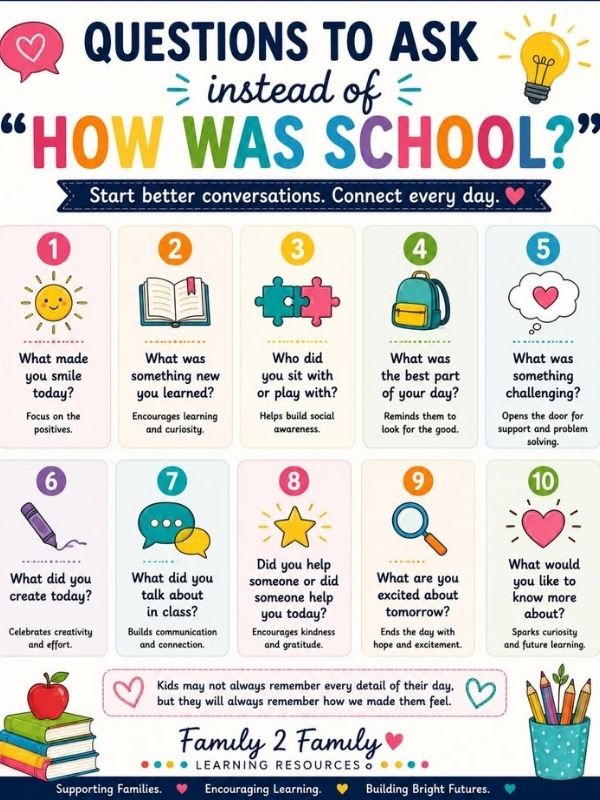
Another important part of the 12 tips for helping kids adjust to a new school year is creating space for honest conversations.
It can be tempting to ask a long list of questions the moment your child gets home.
- “How was school?”
- “Did you make friends?”
- “What did your teacher say?”
- “What did you learn?”
Although these questions come from a good place, some children may feel pressured to provide answers before they are ready.
Instead, keep conversations natural.
You might ask, “What was one thing that made you smile today?” Or you could say, “Was there anything that felt confusing?” Another simple question is, “What was your favorite part of the day?”
These questions are easier to answer because they do not make the child feel as though they are being tested.
Also, listen carefully to what your child says. Sometimes a small comment can reveal a bigger concern. For instance, saying, “I don’t like lunch anymore,” could actually mean they are sitting alone. Likewise, “My teacher gives too much work” might mean they are struggling to understand a particular subject.
So, resist the urge to immediately fix everything.
First, listen.
Then, ask gentle follow-up questions if your child wants to talk. Let them know that nervousness, disappointment, excitement, and frustration are all feelings they can share with you.
Over time, these small conversations build trust. Your child learns that home is a safe place to talk about both good and difficult school experiences.
Please keep Reading….. Don’t stop here

3. Let Your Child Have Some Control
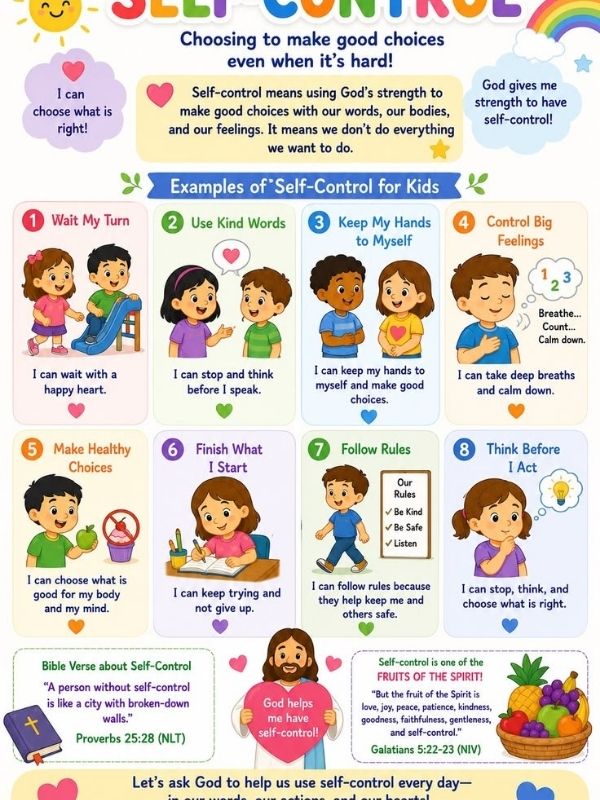
Children often find transitions easier when they have a little control over what happens around them. That is why giving your child choices is one of the practical 12 tips for helping kids adjust to a new school year.
Of course, there are things that cannot be negotiated. School attendance, basic routines, and important responsibilities still need to happen. However, many smaller choices can belong to your child.
For example, let them choose between two outfits. They can decide which notebook to use for a particular subject. They might also choose their breakfast from a few options or decide whether they want to pack fruit or another snack.
These choices may seem small to an adult.
Nevertheless, they can make a big difference to a child who feels that everything around them is changing.
You can also involve your child when organizing their study space. Ask where they would like their books kept. Let them arrange pencils, notebooks, or school supplies in a way that makes sense to them.
If your child is nervous about the first day, you might even let them help plan the morning. Together, decide what time they need to wake up, when breakfast will happen, and when the school bag should be ready.
The goal is not to give children complete control.
Rather, it is to help them feel involved.
When children have a voice in small decisions, they may feel more confident about handling the bigger changes they cannot control. Little by little, that sense of independence can make the new school year feel less intimidating.
Check out our
10 Graduation Loc Styles That Fit Under a Cap
20 Unique Graduation Gifts for Female Best Friend
18 Trendy Graduation Dresses for Curvy Girls
20 DIY Graduation Card Ideas for Best Friend
20 Elegant Black and Gold Graduation Cake Ideas
15 Stylish Graduation Hairstyles for Long Locs
4. Visit the School or Practice the Route
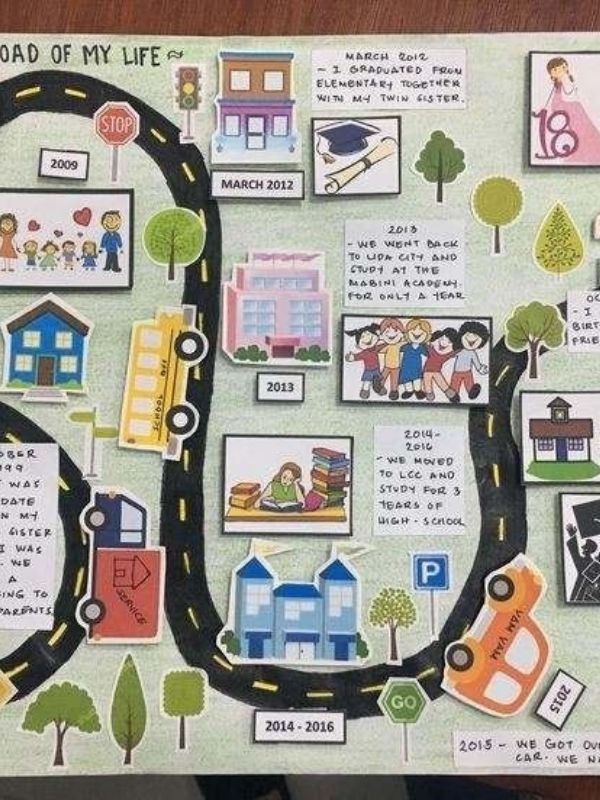
For a child who feels nervous about unfamiliar places, one of the most helpful 12 tips for helping kids adjust to a new school year is to make the environment feel familiar before the first full day.
If the school allows it, take your child there before classes begin. Walk around the entrance and help them identify important places. Depending on the school, this might include the classroom area, office, library, cafeteria, restroom, playground, or pickup location.
If you cannot visit the school beforehand, that is fine too.
Instead, talk through the route.
Explain where your child will enter the school, where they will go first, and how they will get home. If they use school transportation, explain what the pickup process will look like.
For younger children, simple details can provide reassurance. Knowing where to keep their bag or where to meet you after school can remove some uncertainty.
Older children may have different concerns. They might be worried about finding a classroom, changing rooms, moving between lessons, or understanding a new timetable.
Therefore, talk through those situations without making them sound frightening.
You can even practice at home. For example, look at the timetable together and discuss what happens between lessons.
Most importantly, avoid overwhelming your child with too many details at once.
Give them the information they need, then remind them that they can ask for help if they get confused.
A new place becomes much less intimidating when some parts of it already feel familiar.
5. Help Them Prepare for New Friendships
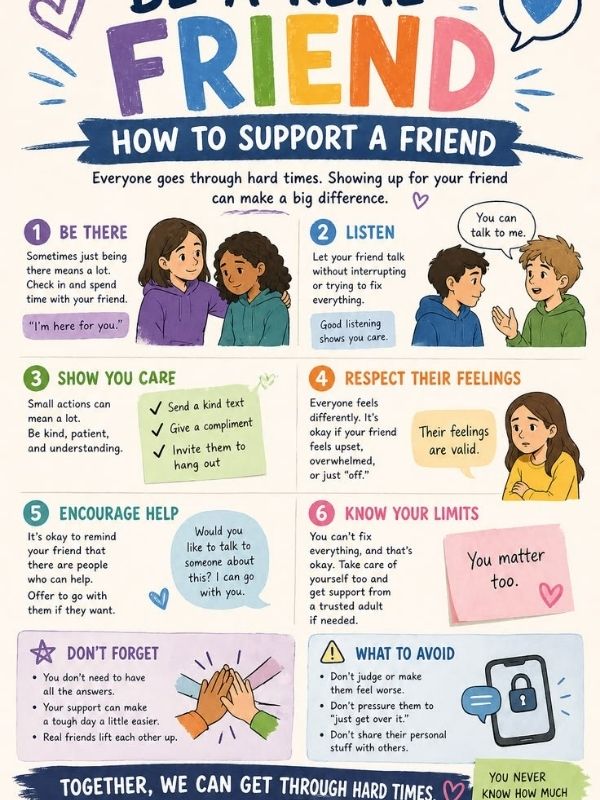
Friendships can be one of the biggest sources of excitement and worry during a new school year. For that reason, helping children navigate friendships belongs among the 12 tips for helping kids adjust to a new school year.
Your child may already have close friends, or they may be entering a completely new social environment. Either way, remind them that friendships do not always happen instantly.
Sometimes, it takes several days or even weeks to feel comfortable around new classmates.
You can talk about simple ways to start conversations. A child might ask another student about a game, compliment a drawing, ask about a class activity, or simply introduce themselves.
However, avoid making friendship feel like another assignment they must complete.
You do not need to tell your child to “make five new friends” or expect them to come home with a new best friend immediately.
Instead, encourage small social steps.
For example, they could sit beside someone during an activity, join a group game, or say hello to someone they recognize. These small interactions can gradually become friendships.
It is also useful to remind children that not every interaction will go perfectly. Someone may already have a friend group. Another child might be shy. Someone else may simply not be interested in talking that day.
That does not mean your child has done anything wrong.
Teach them to keep trying without taking every social moment personally. At the same time, remind them that kindness matters. Being welcoming, listening to others, sharing when appropriate, and respecting boundaries are valuable friendship skills.
With time, your child’s social world can begin to feel more comfortable.
Check out our
16 Backyard Party Ideas for Adults on a Budget
10 Cute Sober Paint and Sip Night Ideas for Adults
30 Easy Popsicle Stick Craft Ideas for Kids and Adults to Make at Home
20 Creative Tourist Halloween Costume Ideas for Adults and Couples
6. Make Homework Time Predictable
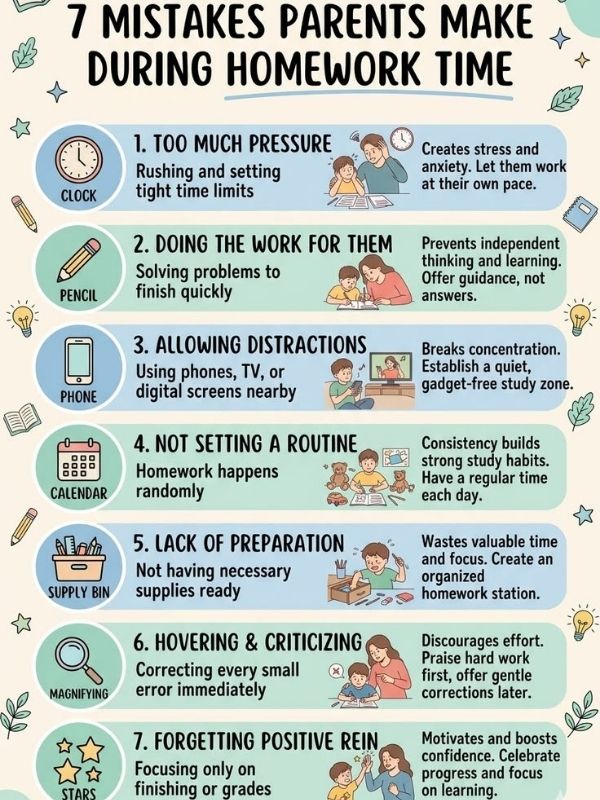
Once school begins, homework can quickly become one of the biggest adjustments. Therefore, creating a predictable study routine is another useful part of the 12 tips for helping kids adjust to a new school year.
Children do not always need hours of studying at home. What they often need is a consistent place and time where schoolwork gets done.
Choose a quiet area with the supplies your child regularly uses. Keep pencils, paper, notebooks, and other essentials nearby. That way, your child does not have to search around the house every time they sit down to work.
Next, establish a general homework window.
It might be after a snack and a short rest. Alternatively, your child may work better after dinner. The best option depends on their age, schedule, energy level, and school expectations.
Also, avoid turning homework into a daily battle.
If your child is struggling, ask what part feels difficult. They may understand the subject but feel tired. Or perhaps they simply do not understand the instructions.
Break larger assignments into smaller steps.
For instance, instead of saying, “Finish your homework,” try, “Let’s look at the first question together.” Once that feels manageable, move to the next step.
Likewise, allow short breaks when appropriate. A few minutes away from the desk can help a tired child return with better focus.
Your role is to provide structure and encouragement, not to complete every task for them.
As children become more comfortable with the school year, they can gradually take more responsibility for their own work.
7. Pay Attention to Sleep and Rest

Sleep can have a huge effect on how children handle school. Consequently, protecting rest is one of the most practical 12 tips for helping kids adjust to a new school year.
When children are tired, ordinary challenges can feel much bigger.
A small disagreement with a friend may feel overwhelming. A difficult assignment may seem impossible. Even getting dressed in the morning can become a struggle.
That is why a consistent bedtime routine matters.
Try to keep bedtime and wake-up times reasonably steady, including on weekends. Of course, family schedules can vary, so there is no need to panic over the occasional late night.
Instead, focus on consistency most of the time.
Create a calm wind-down period before bed. Your child might take a bath, read a book, listen to quiet music, or simply spend some time talking with you. Reducing stimulating activities close to bedtime can also help the evening feel calmer.
You should also watch for signs that your child is not getting enough rest. They may become unusually irritable, have trouble concentrating, or struggle to wake up each morning.
If mornings are consistently difficult, look at the entire evening routine. Perhaps homework is taking too long. Maybe the school bag is being packed at the last minute. Or perhaps bedtime keeps getting pushed later.
Small changes can help.
For example, prepare clothes and school supplies before bedtime. Then, the morning has fewer decisions to handle.
When children are well rested, they usually have more energy to learn, socialize, and cope with the normal ups and downs of school.
8. Keep Mornings Simple and Calm

Busy mornings can quickly turn into stressful mornings. Therefore, keeping the start of the day simple is another valuable part of the 12 tips for helping kids adjust to a new school year.
The night before, prepare as much as possible.
Pack the school bag. Set out clothes. Check that shoes are ready. Prepare lunch or snacks when possible. Also, make sure important school items are not hiding under the bed five minutes before leaving.
These small preparations can save time.
Then, give your child enough time to wake up without immediately rushing them through every step. A calm morning does not mean everything will go perfectly. Children will still forget things sometimes.
However, the overall atmosphere can be calmer when there is a plan.
You can create a simple morning checklist that your child can follow. For example:
- Wake up.
- Get dressed.
- Brush teeth.
- Eat breakfast.
- Pack the final items.
- Put on shoes.
- Leave.
For younger children, pictures can make the routine easier to follow.
Also, try to avoid starting the day with criticism whenever possible. If your child is moving slowly, remind them of the next step instead of giving a long lecture.
For example, “Shoes on, please. We need to leave in ten minutes,” is clearer than a long complaint about how slowly they are getting ready.
Eventually, the routine should become automatic.
The first few weeks may require more reminders. That is normal. With patience and repetition, children can become more independent with their mornings.
Check out our
15 Realistic Stay-at-Home Mom Routine Ideas That Actually Work
15 Back to School Routines for a Stress-Free Morning
Routine Newborn Care After Delivery
9. Notice Changes in Your Child’s Mood
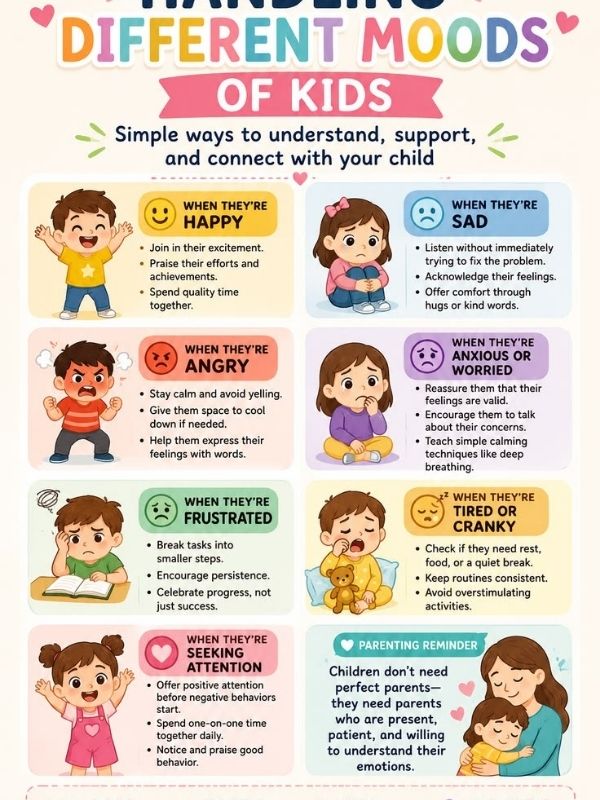
Not every child will say, “I am nervous about school.” Some children show their feelings through behavior instead. For this reason, paying attention to changes is an important part of the 12 tips for helping kids adjust to a new school year.
Maybe your usually talkative child becomes quiet.
Perhaps your child starts complaining about school every morning. They may also seem unusually tired, frustrated, tearful, or reluctant to participate in activities they normally enjoy.
One difficult day does not automatically mean something serious is happening. Starting a new school year can simply be tiring.
Still, patterns are worth noticing.
If a concern keeps coming up, ask about it gently. Avoid beginning with accusations or assumptions. Instead, create an opening for your child to talk.
You could say, “I’ve noticed mornings seem harder lately. Is there anything making school feel difficult?”
Then listen.
Your child may reveal that they are worried about a particular subject, a friendship, a teacher, or something else entirely.
Sometimes, children do not know how to explain what they are feeling. In that case, patience matters. You can reassure them that they do not have to solve everything immediately.
If the problem continues or begins affecting your child’s daily life, consider speaking with the appropriate teacher, school counselor, or another trusted adult who can help.
The important thing is to avoid dismissing repeated concerns as simply “not wanting to go to school.”
Children deserve to feel heard.
When they know adults are paying attention, they are often more willing to ask for help when they need it.
10. Celebrate Progress Instead of Expecting Perfection

Children can put a surprising amount of pressure on themselves. Therefore, one of the most encouraging 12 tips for helping kids adjust to a new school year is to celebrate progress rather than demanding a perfect transition.
Maybe your child walked into class without crying for the first time.
Perhaps they finally spoke to a classmate.
Maybe they remembered their homework or packed their school bag without being reminded.
These moments may look small to adults.
However, they can represent significant progress for a child.
Instead of focusing only on grades and achievements, notice the habits and emotional skills your child is developing. Say things like, “You handled that change really well,” or “I noticed you kept trying even when that assignment was difficult.”
Specific encouragement is often more meaningful than simply saying, “Good job.”
At the same time, avoid comparing your child with siblings, cousins, classmates, or friends. Every child adjusts at a different pace.
One child might love school immediately. Another may need several weeks before they feel comfortable.
That difference does not mean one child is doing better.
Also, let your child know that mistakes are part of learning. Forgetting a book, getting an answer wrong, or having an awkward conversation with a classmate does not ruin the school year.
Instead, help them think about what they can do differently next time.
This approach builds resilience.
Rather than believing they must get everything right, children learn that they can make mistakes, learn from them, and keep moving forward.
That mindset can help them far beyond the first weeks of school.
11. Create a Small After-School Connection Ritual
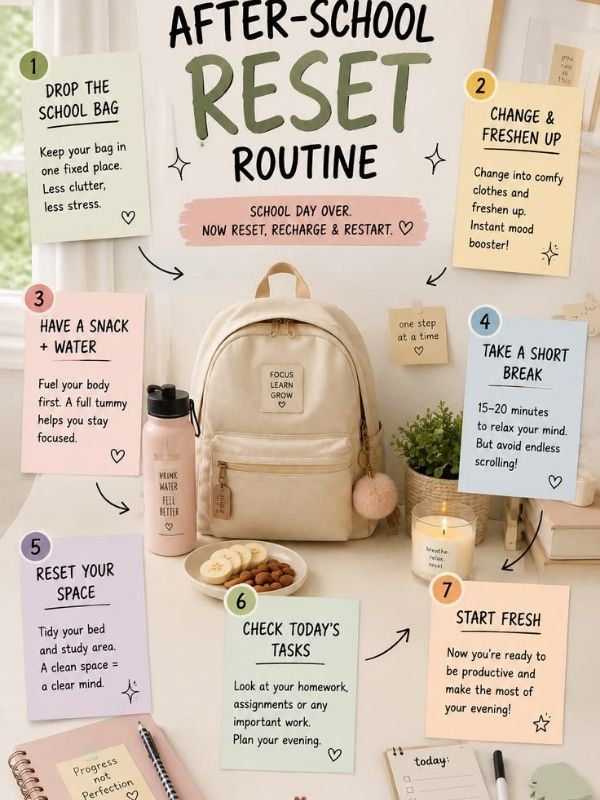
After a long school day, children often need a little time to reconnect with home. Therefore, creating a simple after-school ritual is another helpful part of the 12 tips for helping kids adjust to a new school year.
This does not need to be complicated.
It could be a snack at the kitchen table. Maybe you spend ten minutes talking together. Perhaps your child likes to tell you one funny thing that happened during the day.
For some families, the ritual might be a short walk. For others, it could simply mean sitting together before homework begins.
The important part is consistency.
A child who knows there is a calm moment waiting for them after school may find the transition between school and home easier.
Also, do not expect an immediate conversation every day.
Some children need quiet time first. If your child walks through the door and wants to relax, allow that space. You can check in later.
You can also create a simple question routine. Instead of asking for a full report, ask one light question.
- “What was the funniest thing today?”
- “What was easier than you expected?”
- “Did you learn anything interesting?”
- “What are you looking forward to tomorrow?”
These questions can create connection without making your child feel pressured.
Most importantly, keep the ritual enjoyable.
The goal is not to investigate every detail of the school day. It is to remind your child that home is still a comfortable place where they can relax, talk, laugh, and be themselves.
That sense of connection can make the school transition feel less overwhelming.
12. Give Them Time to Settle In
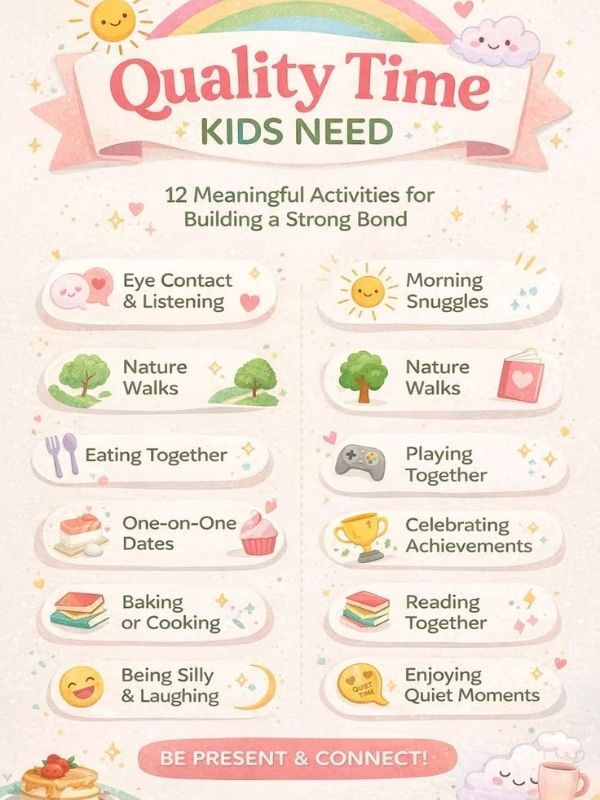
Finally, perhaps the most important of the 12 tips for helping kids adjust to a new school year is simply to give children time.
It is easy to expect everything to settle down during the first few days.
However, adjustment does not always happen that quickly.
Your child may need time to learn a new timetable, understand classroom expectations, recognize classmates, become comfortable with teachers, and figure out where they fit into the new routine.
Therefore, try not to panic if the first week feels messy.
The first Monday may involve forgotten homework. Tuesday might bring a friendship disagreement. Wednesday could be better. Then Thursday might feel difficult again.
That is normal.
Progress is rarely perfectly straight.
Instead of asking, “Why haven’t you adjusted yet?” remind your child that new things take practice.
You can say, “You do not have to figure everything out today.”
That simple message can remove a lot of pressure.
At the same time, continue offering support while encouraging independence. Help when something genuinely needs your attention, but give your child opportunities to solve age-appropriate problems on their own.
Over time, routines become familiar.
The classroom feels less strange. Names become familiar faces. Homework becomes easier to organize. Mornings become more automatic.
Eventually, what once felt new may simply become part of everyday life.
So, give your child room to grow into the new school year at their own pace. Patience is not doing nothing. It is giving children the space they need to build confidence.
Simple Ways to Make the First Few Weeks Easier
Once you have the 12 tips for helping kids adjust to a new school year, you can turn them into small habits rather than treating them as another parenting checklist.
Start with the areas that seem most important for your child.
If mornings are difficult, focus on preparing the night before. If friendships are the biggest concern, spend more time talking about social situations. Meanwhile, if homework is creating stress, work on building a predictable study routine.
You do not have to change everything at once.
In fact, making too many changes together can make the transition feel harder.
Instead, choose one or two habits and give them time to become normal.
Here are a few simple reminders to keep in mind:
- Keep bedtime and wake-up times consistent.
- Prepare school items the night before.
- Give your child small choices.
- Listen before trying to solve a problem.
- Avoid comparing your child with other children.
- Celebrate small signs of progress.
- Make time for connection after school.
- Encourage your child to ask adults for help.
- Keep expectations realistic.
- Remember that adjustment takes time.
These small habits can work together to create a calmer environment.
Most importantly, remember that your child does not need you to make every school day perfect. They need to know that you are available when things feel difficult and that you believe they can handle new challenges.
Common Mistakes Parents Can Avoid During the Transition
Even with the best intentions, parents can sometimes make the back-to-school adjustment more stressful without realizing it.
One common mistake is expecting children to immediately return to a perfect routine. After several weeks of holiday freedom, it is normal for children to need time to readjust.
Another mistake is focusing too heavily on grades from the beginning. Academic success matters, but emotional adjustment matters too. A child who is learning how to manage a new classroom, make friends, and follow a new schedule is already doing important work.
It is also easy to ask too many questions.
If your child seems tired after school, give them a chance to breathe before asking for every detail.
Likewise, avoid making every conversation about school.
Children need to talk about other things too. Play, hobbies, family activities, jokes, and ordinary conversations can help them relax.
Another mistake is comparing siblings.
Even children raised in the same home can have completely different personalities and adjustment styles. One may love change, while another needs more time.
Finally, avoid dismissing your child’s worries.
You do not have to agree that a problem is huge in order to take the feeling seriously.
Instead, you can say, “I understand why that feels difficult. Let’s think about what might help.”
That response teaches children that their emotions matter while also showing them that problems can be approached calmly.
When Should You Offer More Support?
Most children experience some adjustment challenges at the beginning of a new school year. However, parents should pay attention when difficulties continue instead of gradually improving.
For example, if your child remains extremely distressed about school for an extended period, frequently refuses school, or seems consistently unhappy, it may be worth finding out what is happening.
Start by talking with your child.
Then, if needed, communicate with their teacher or another trusted adult at the school. Teachers can sometimes notice things that parents cannot see at home.
The goal is not to immediately assume something is seriously wrong.
Instead, gather information.
Perhaps your child needs extra academic support. Maybe they are having trouble with a friendship. They could also be struggling with the amount of work or feeling overwhelmed by the new environment.
Once you understand the problem, you can decide what kind of support makes sense.
Remember, asking for help is not a sign that your child has failed to adjust. Sometimes, children simply need additional guidance while they develop the skills required for a new situation.
Frequently Asked Questions About 12 tips for Helping Kids Adjust to a New School Year
1. How long does it take for a child to adjust to a new school year?
There is no exact timeline. Some children settle in within a few days, while others need several weeks. The adjustment can depend on the child’s personality, age, school environment, friendships, workload, and previous experiences.
Therefore, focus less on a specific number of days and more on gradual progress. If your child slowly becomes more comfortable, that is encouraging.
2. What if my child does not want to go to school?
First, try to understand why.
Ask gentle questions instead of immediately assuming your child is simply being difficult. They may be tired, worried about a subject, uncomfortable with a friendship situation, or nervous about something happening at school.
Once you understand the concern, you can decide what support is needed. If the problem continues, speaking with the teacher or school staff may be helpful.
3. Should I let my child sleep late during the first week?
It is usually better to keep a reasonably consistent routine. Children need time to adjust to school mornings, and inconsistent sleep can make that harder.
However, occasional tiredness is normal.
Rather than trying to create a perfect schedule overnight, build a steady bedtime and wake-up routine and adjust it when necessary.
4. How can I help a shy child make friends?
Avoid putting pressure on your child to immediately find a best friend.
Instead, encourage small interactions. Saying hello, joining a simple activity, sitting beside another child, or asking a classmate a question can be enough to begin.
Also, remind your child that friendships often grow gradually.
5. What can I do if my child is struggling academically?
Start by finding out exactly where the difficulty is.
Ask your child which part of the work feels confusing. Then, if needed, communicate with the teacher to understand whether the issue is related to a particular subject, assignment, or skill.
Break schoolwork into smaller steps and celebrate effort as your child improves.
Conclusion
A new school year brings plenty of excitement, but it can also bring uncertainty. Children are learning new routines, navigating friendships, managing schoolwork, and discovering how to handle changes that they cannot always control.
That is why the best 12 tips for helping kids adjust to a new school year are not about creating a flawless back-to-school experience. Instead, they are about creating a supportive home environment where children can take things one step at a time.
Prepare the routine before school begins. Keep mornings simple. Talk openly. Listen carefully. Give children small choices. Encourage friendships without forcing them. Protect their rest, notice changes in mood, and celebrate progress.
Most importantly, give them time.
Some children will walk into school confidently on the first day. Others may need more reassurance. Neither response means that one child is doing better than the other.
Every child has their own pace.
As the weeks pass, the unfamiliar routines will start to feel normal. New faces will become familiar. Schoolwork will become easier to organize. Mornings will require fewer reminders. Slowly, the nervousness that once filled the first few days may fade into confidence.
That is the heart of 12 tips for helping kids adjust to a new school year. You are not trying to remove every challenge from your child’s path. You are helping them learn that new beginnings can feel uncomfortable and still turn out beautifully.
Sometimes, the best support a parent can give is a calm voice, an open ear, a little patience, and the reminder that tomorrow is another chance to try again.