15 After-School Routine Ideas for Busy Families That Actually Work
The hours between school pickup and bedtime can feel like a tiny marathon. One child is hungry, another has homework, someone needs a clean sports uniform for tomorrow, and somehow dinner still needs to happen. If your afternoons often feel rushed, these 15 after-school routine ideas for busy families can help you create a calmer rhythm without turning your home into a military-style schedule.
The good news is that an after-school routine does not have to be complicated. In fact, the best routines are usually simple enough that everyone can remember them. Children need time to decompress after school, but they also benefit from knowing what happens next. Parents, meanwhile, need routines that fit real life, including traffic, work, extracurricular activities, unexpected errands, and those evenings when dinner is whatever can be made quickly.
So, instead of trying to create a perfect afternoon, focus on creating a predictable one.
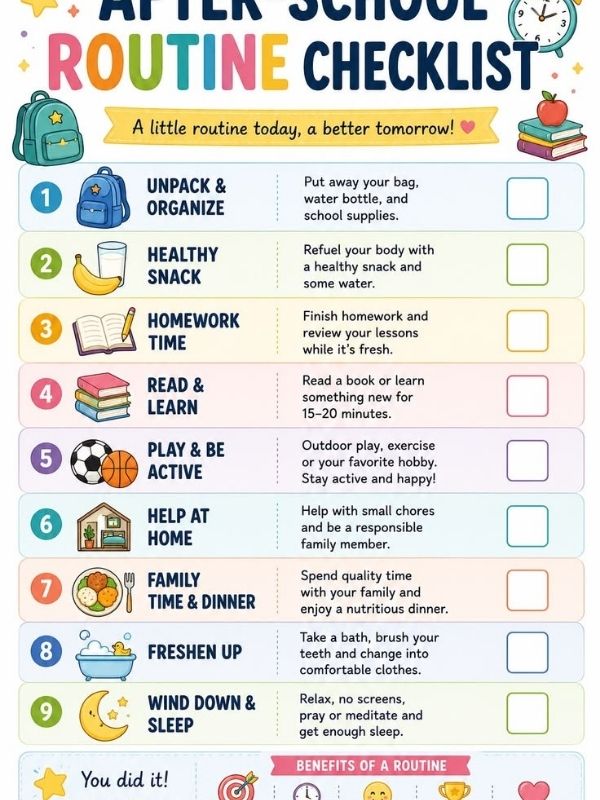
A helpful routine gives everyone a little direction. It answers simple questions such as: When do we eat? When does homework happen? When can the kids play? When should backpacks be unpacked? When do we start getting ready for tomorrow?
Most importantly, your routine should work with your family instead of making everyone feel like they are constantly racing against the clock.
Even if you have one school-aged child or several children with completely different schedules, these ideas can be adjusted to suit your home. You can use all of them, choose a few, or mix and match until you find a rhythm that feels natural.
15 After-School Routine Ideas for Busy Families That Actually Work
1. Create a simple “walk through the door” routine
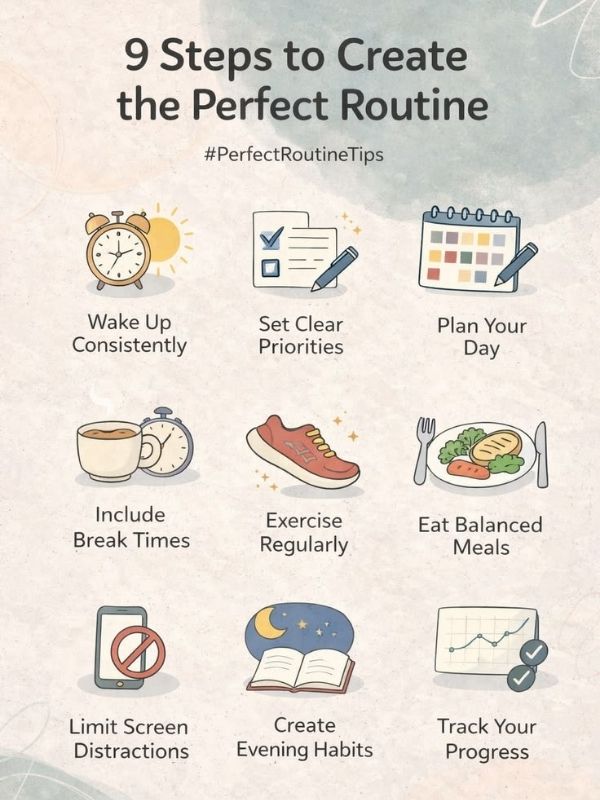
One of the easiest ways to make afternoons smoother is to decide what happens immediately after everyone gets home. Instead of children walking through the door and scattering in different directions, give those first few minutes a simple order.
For example, shoes can go in one place, backpacks can go to their usual spot, lunch containers can come out, and water bottles can be placed by the sink. After that, everyone can wash their hands before having a snack.
This is one of the most practical 15 after-school routine ideas for busy families because it removes several small decisions from the afternoon. Children know where their things belong, and parents do not have to spend the evening searching for missing lunch boxes or school papers.
However, do not expect younger children to remember everything immediately. You may need to remind them for a while. A small picture chart near the entrance can help, especially for children who are still learning routines.
You can also make the routine more enjoyable by giving it a fun name, such as the “home-from-school reset.” The goal is not perfection. Instead, you are creating a familiar sequence that helps everyone transition from school mode to home mode.
Once this becomes a habit, the first part of the afternoon can feel much less chaotic.
Check out our
17 Smart and Spooky Halloween Costume Ideas for Teachers at School
20 Valentine;s Day Crafts for Kids to Make at Home or School
30 Back-to-School Supplies Every Student Needs in 2026
20 Back to School Lunch Ideas for Picky Eaters
2. Give everyone a few minutes to decompress

After spending hours sitting in class, listening, learning, following instructions, and interacting with other people, children may need a little breathing room when they get home.
That is why a short decompression period can make such a difference.
Rather than immediately saying, “Get your homework out,” consider giving your child 15 to 30 minutes to relax first. They might sit quietly, read, draw, talk about their day, play with a sibling, or simply have a snack.
This does not mean homework has to be ignored. Instead, you are giving your child a chance to mentally switch gears before asking them to concentrate again.
Among these 15 after-school routine ideas for busy families, this one is especially useful for children who become irritable or overwhelmed after school. Sometimes what looks like laziness is simply tiredness.
Of course, every child is different. One child may need quiet time, while another may feel better after running around outside. Therefore, pay attention to what helps your child reset.
You can even ask, “Do you need quiet time or movement time?” Giving children two reasonable choices can help them recognize what their bodies and minds need.
Keep this period fairly predictable. If relaxation turns into an hour of television or endless gaming, homework may become harder to start. Instead, make the reset short, intentional, and easy to understand.
Check out our
15 Realistic Stay-at-Home Mom Routine Ideas That Actually Work
15 Back to School Routines for a Stress-Free Morning
Routine Newborn Care After Delivery
3. Make an after-school snack part of the plan

A hungry child is rarely excited about homework, chores, or getting ready for tomorrow. After-school hunger can also make small problems feel much bigger than they actually are.
That is why having a regular snack time can help.
You do not need to prepare elaborate snacks every day. Keep a few easy options available, such as fruit, yogurt, sandwiches, crackers, cheese, boiled eggs, or another simple family favorite. The important thing is having something predictable and reasonably filling.
This is another useful idea from the 15 after-school routine ideas for busy families because it takes the guesswork out of that awkward period between lunch and dinner.
If your child is old enough, you can also create a small snack station. Put approved options in an easy-to-reach area and let them choose one. This gives children some independence while reducing the number of times you hear, “Mom, I’m hungry!”
However, snack time does not have to become a free-for-all. Set simple boundaries. For example, children can choose one snack and one drink, then clean up their dishes.
If dinner is coming soon, keep the snack smaller. If dinner will be later because of sports or another activity, a more substantial snack may make sense.
The point is to plan for hunger rather than constantly react to it.
Please keep Reading….. Don’t stop here 
4. Set a consistent homework window

Homework becomes much easier to manage when children know when it normally happens.
That does not mean every family needs to start homework at exactly the same minute every afternoon. Instead, choose a general window that fits your schedule.
For example, your child might have a snack and some downtime after school, then begin homework around 4:30. On days with activities, homework might happen earlier or later.
One of the most flexible 15 after-school routine ideas for busy families is to create a homework “anchor.” Rather than focusing only on the clock, connect homework to something that happens every day.
You might say, “After snack and 20 minutes of relaxing, we start homework.”
This works because children begin to recognize the sequence.
Try to create a homework area that is reasonably quiet and has basic supplies nearby. Pencils, paper, erasers, rulers, and other frequently used items can stay together in one container.
Parents do not need to sit beside their children every second, either. Depending on their age and needs, children can work independently while you prepare dinner or handle other responsibilities.
If your child has several assignments, help them break the work into smaller pieces. A large pile of homework can feel overwhelming. One worksheet, one reading assignment, or one subject at a time feels much more manageable.
Most importantly, avoid turning homework into an evening-long battle. If your child is genuinely struggling, communicate with their teacher rather than simply adding more pressure at home.
Check out our
20 Cute Graduation Money Gift Ideas for High School Seniors
15 Back to School Routines for a Stress-Free Morning
20 Cute Back to School Outfits for Teens in 2026
25 Cute Back to School Nail Designs Teens Will Adore
30 Back to School Hairstyles That Are Quick and Cute
18 High School Graduation Party Ideas That Feel Meaningful, Fun, and Worth Celebrating
5. Use a family command center

School papers have a remarkable talent for disappearing.
One permission slip gets buried under a book. Another notice ends up on the kitchen counter. Then someone remembers an important deadline five minutes before bedtime.
A simple family command center can prevent much of this.
It does not have to be fancy. You could use a wall calendar, a whiteboard, folders, hooks, or a combination of these. Give school papers a specific place instead of allowing them to travel around the house.
This is one of the 15 after-school routine ideas for busy families that can save time throughout the entire week, not just during the afternoon.
For example, you might have one folder for papers that need a parent’s attention and another for papers that can be filed or discarded. A shared calendar can show school events, practices, appointments, and important deadlines.
Older children can be responsible for checking the command center when they get home. Younger children may need your help.
You can also spend five minutes each afternoon reviewing what is coming up. Is there a field trip tomorrow? Does someone need a special shirt? Is there a project due Friday?
Catching these things early makes them much easier to handle.
The command center should make information easier to see, not create another chore. Keep it simple enough that everyone can actually use it.
6. Give children a small daily responsibility
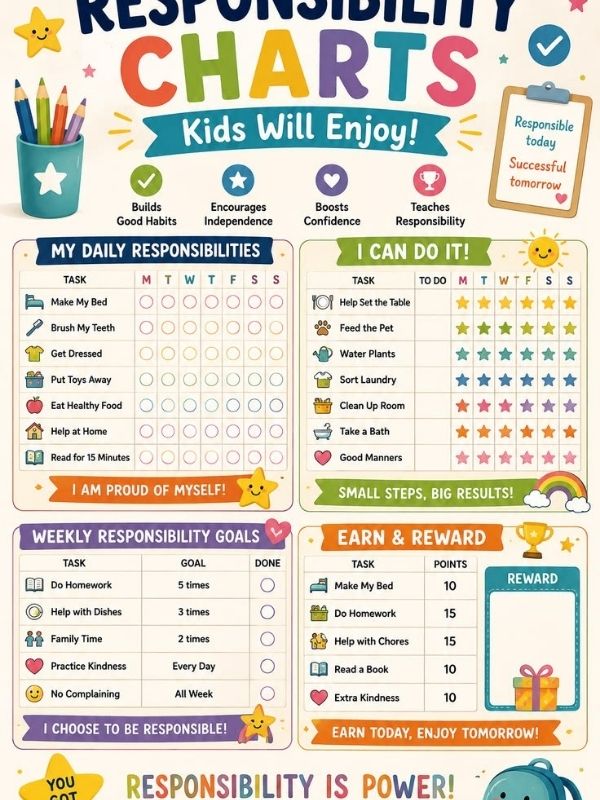
Busy families often feel as if parents have to do everything. However, children can contribute in age-appropriate ways.
After school is a good time to introduce one or two simple responsibilities. A child might put their lunch container in the kitchen, hang up their backpack, feed a pet, clear their snack dishes, or place dirty clothes in the laundry basket.
These tasks may seem tiny, but they teach valuable habits.
Adding responsibilities to the 15 after-school routine ideas for busy families can also reduce the number of things parents need to remember. Instead of asking repeatedly, “Where is your lunchbox?” you can teach your child that unpacking it is simply part of coming home.
Keep expectations realistic. A younger child may need pictures or reminders. An older child can handle more responsibility.
It is also helpful to teach the task instead of assuming your child knows how to do it. Show them where things go, demonstrate the process, and then allow them to practice.
Do not worry if the job is not completed exactly as you would do it. If the goal is independence, children need room to learn.
You can even create a short after-school responsibility list with only a few items. Too many chores can make the routine feel like punishment.
The aim is to teach children that everyone contributes to keeping the household running.
7. Build movement into the afternoon

Children spend a large part of the school day learning indoors, so a little movement after school can be a great way to reset.
It does not have to be a formal workout. A walk around the neighborhood, playing in the yard, riding a bicycle, dancing to music, kicking a ball around, or simply spending time outside can work.
For many families, this is one of the most enjoyable 15 after-school routine ideas for busy families because it gives children a chance to release some energy before sitting down again.
Movement can also become a transition between school and homework. For example, your child might come home, have a snack, spend 20 minutes outside, and then begin their schoolwork.
Of course, schedules vary. If your child has sports practice, that may already provide plenty of activity. On busy days, even ten minutes of movement can be enough.
Try not to make movement another item that has to be done perfectly. The purpose is simply to create space for children to move and breathe.
You can involve siblings, too. A quick family walk can become a chance to talk without the pressure of sitting around a table and asking, “How was school?”
Sometimes children share more when they are doing something else.
So, if your afternoon allows it, open the door, step outside, and let everyone move around for a little while.
Check out our
10 Graduation Loc Styles That Fit Under a Cap
20 Unique Graduation Gifts for Female Best Friend
18 Trendy Graduation Dresses for Curvy Girls
20 DIY Graduation Card Ideas for Best Friend
20 Elegant Black and Gold Graduation Cake Ideas
15 Stylish Graduation Hairstyles for Long Locs
8. Create a flexible screen-time boundary

Screens can be tempting after a long school day. A favorite show or game can feel like the easiest way to keep children occupied while dinner is being prepared.
There is nothing wrong with wanting some downtime. However, if screens take over the entire afternoon, homework, chores, family conversations, and bedtime preparation can quickly get pushed aside.
That is why clear boundaries are helpful.
One of the more realistic 15 after-school routine ideas for busy families is to decide ahead of time when screens are allowed instead of negotiating every afternoon.
For example, screen time might happen after homework and responsibilities are finished. Alternatively, your family might prefer a short screen break before homework.
The exact arrangement depends on your child’s age, your household, and your family’s needs.
Whatever you choose, make the rule easy to understand. Children should know what needs to happen before they start watching or playing.
Timers can also help. Instead of repeatedly saying, “Five more minutes,” use a timer so the end of screen time feels more predictable.
If stopping is difficult, give a warning before the transition. Saying, “You have ten minutes left, then it is time to turn it off,” gives your child time to prepare.
Most importantly, avoid changing the rule every day. Consistency makes boundaries easier for everyone.
9. Plan dinner around your busiest days

Dinner does not have to be a three-course production every evening.
On school nights, especially when children have activities, appointments, or homework, simple meals can save your sanity.
Take a look at your weekly schedule and identify the busiest afternoons. Those are the nights when you need the easiest dinner options.
This makes meal planning an important part of the 15 after-school routine ideas for busy families because dinner affects almost everything that happens later.
You might prepare ingredients earlier in the day, cook extra food on a quieter evening, or keep a few quick meals in rotation. Sandwiches, pasta, rice bowls, soups, wraps, eggs, roasted vegetables, or leftovers can all make busy evenings easier.
You can also involve children in small ways. One child might set the table while another fills water cups. Older children can help with simple food preparation when appropriate.
Try to avoid making dinner another source of pressure. Some evenings will be smooth, while others will involve spilled drinks, forgotten homework, and everyone eating at different times.
That is normal.
A useful goal is not “perfect family dinner.” Instead, aim for a meal that gets everyone fed and gives you a few minutes to connect.
If you have a particularly hectic day, simplifying dinner is not failing. It is good planning.
Check out our
16 Backyard Party Ideas for Adults on a Budget
10 Cute Sober Paint and Sip Night Ideas for Adults
30 Easy Popsicle Stick Craft Ideas for Kids and Adults to Make at Home
20 Creative Tourist Halloween Costume Ideas for Adults and Couples
10. Use a five-minute backpack reset

The backpack can become a black hole if nobody checks it regularly.
Receipts, snack wrappers, crumpled worksheets, pencils, books, and old permission slips can accumulate surprisingly quickly.
A short backpack reset each afternoon can prevent this from becoming a bigger problem.
As part of the 15 after-school routine ideas for busy families, give children a few minutes to remove anything that does not need to stay in their bag. Lunch containers can go to the kitchen, papers can go to the command center, and homework can go to the designated workspace.
Then they can check what needs to return to school the next day.
This habit becomes especially helpful when children have different schedules. One child may need a library book, while another needs sports equipment. A quick check can catch those details before bedtime.
For younger children, you may need to sit nearby and guide them. As they grow, gradually hand over more responsibility.
You can also create a simple “tomorrow” checklist:
- Homework completed
- School papers packed
- Lunch container ready
- Water bottle ready
- Special items packed
Keep the list short. The purpose is to make mornings easier, not create another complicated system.
A few minutes in the afternoon can prevent a frantic search for a missing notebook at 7 a.m.
11. Give siblings separate transition time
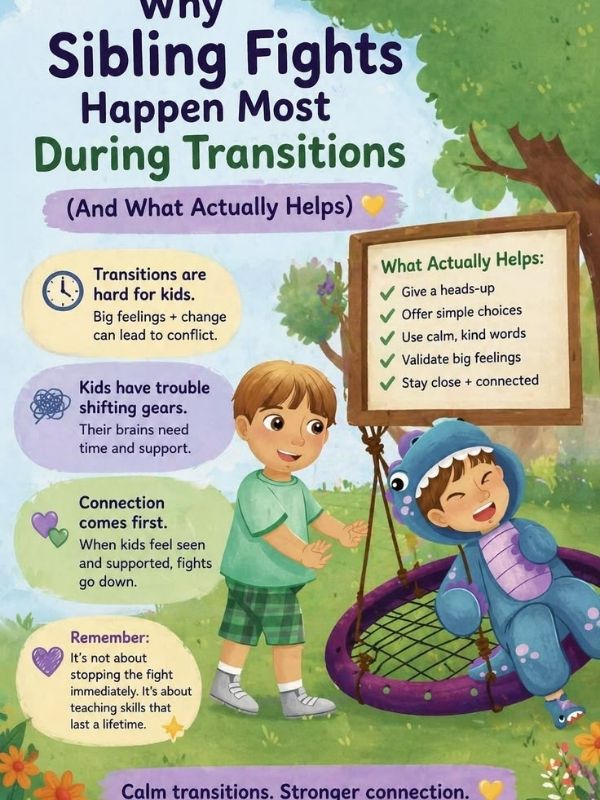
When several children arrive home at the same time, the house can become loud very quickly.
Everyone may be hungry, tired, and eager to talk. Add homework, chores, and different personalities, and suddenly the smallest disagreement becomes a major event.
One solution is to give each child a little personal space after school.
This does not mean everyone needs a separate room. Instead, children can have different quiet activities for a short period. One might read, another might draw, and another might play outside.
This is a surprisingly effective part of the 15 after-school routine ideas for busy families because it allows everyone to reset before spending more time together.
If siblings enjoy being together, they can absolutely share their downtime. The key is giving them an option to separate when they need it.
You can also create individual responsibilities. While one child is doing homework, another might help with dinner. Then they can switch later.
Try to notice patterns. If arguments happen every afternoon around the same time, the problem may not be bad behavior. Everyone might simply be hungry or tired.
A snack, short break, or little bit of personal space can sometimes solve what repeated warnings cannot.
Your goal is not to eliminate sibling disagreements. That would be unrealistic. Instead, create an afternoon structure that gives everyone enough room to regulate and reconnect.
12. Keep extracurricular activities organized
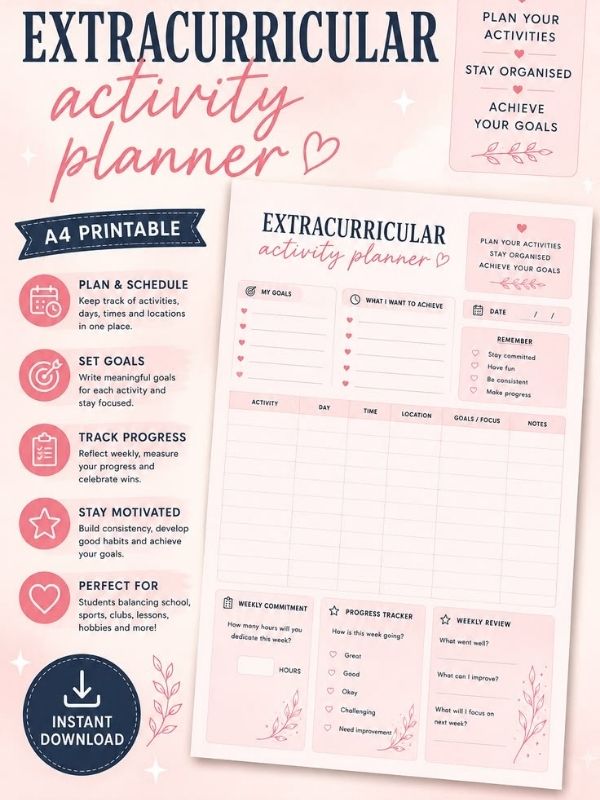
Sports, music lessons, clubs, tutoring, and other activities can make childhood exciting. They can also turn weekday afternoons into a transportation puzzle.
The easiest way to manage this is to organize activities before the week begins.
Write down where everyone needs to be and when. Then work backward to figure out when homework, snacks, changing clothes, and transportation need to happen.
This planning approach fits naturally into the 15 after-school routine ideas for busy families because it prevents you from making the same decisions repeatedly.
For example, if your child has practice at 5 p.m., you already know that homework may need to start earlier or continue after practice. A snack can be packed ahead of time rather than prepared while everyone is rushing out the door.
Keep activity bags together when possible. Shoes, uniforms, instruments, or equipment can have designated storage areas.
Older children can take responsibility for checking that they have what they need.
It also helps to leave some blank space in the week. Children do not necessarily need an activity every afternoon. Free time matters too.
If your schedule feels constantly packed, look at the calendar honestly. Sometimes the solution is not a better routine but fewer commitments.
A busy family still needs breathing room.
13. Add a short family connection moment
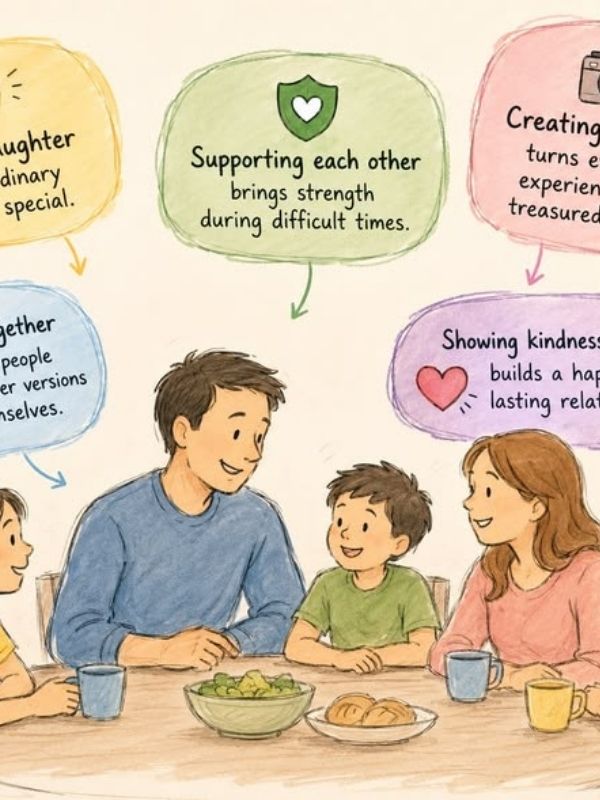
After-school routines are often focused on tasks, but children also need connection.
Fortunately, connection does not have to take an hour.
A few minutes of genuine attention can make a difference. You could talk while preparing dinner, take a short walk, sit together during snack time, or ask one interesting question at the table.
This is one of the gentler 15 after-school routine ideas for busy families because it reminds everyone that the afternoon is not only about completing tasks.
Instead of asking the usual “How was school?” try questions that are easier to answer.
You could ask:
- “What was the funniest thing that happened today?”
- “What was something you learned?”
- “Who did you spend time with?”
- “What was the easiest part of your day?”
- “What are you looking forward to tomorrow
Do not worry if your child does not want to answer every question. Sometimes children need time before they are ready to talk.
You can also make connection informal. Children often open up while you are driving, cooking, walking, or doing something side by side.
The important thing is showing that you are available.
Even on extremely busy days, a five-minute conversation can become a meaningful part of the family rhythm.
14. Start tomorrow’s preparation before bedtime
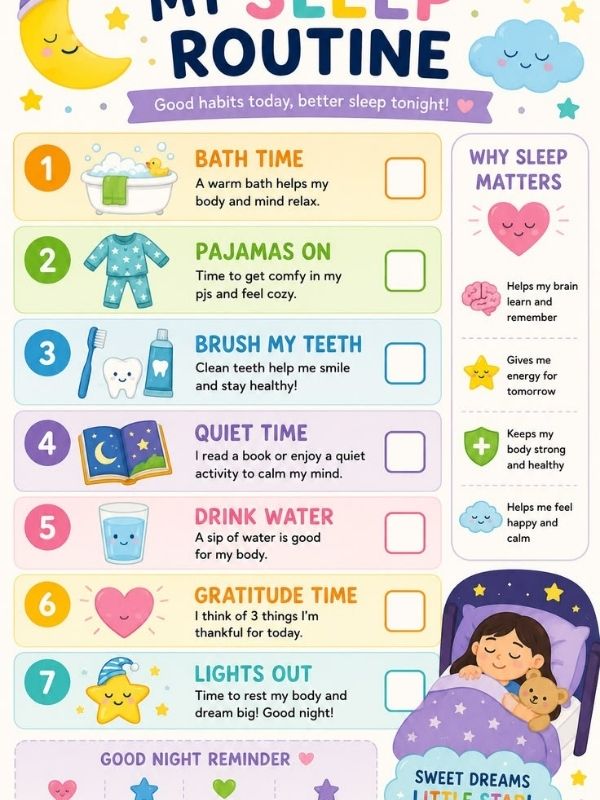
Mornings become much easier when some of the work has already been done.
Instead of waiting until everyone is half-awake to search for clothes, school supplies, shoes, and lunch containers, make tomorrow’s preparation part of the evening routine.
This is one of the most time-saving 15 after-school routine ideas for busy families because it moves tasks away from the most rushed part of the day.
Children can choose their clothes, check their backpacks, prepare school materials, and put shoes where they can find them.
If lunches need to be prepared, children can help with age-appropriate tasks. Even something as simple as placing a lunch container on the counter can make the morning smoother.
You can also check the next day’s schedule. Does someone have physical education? Is there a school event? Does anyone need a special item?
Five or ten minutes of preparation can prevent several frantic moments later.
For younger children, a visual checklist can help. For older children, encourage them to manage their own preparation.
The goal is gradually building independence.
Of course, some evenings will not go according to plan. Maybe you get home late or everyone is exhausted. On those nights, focus on the essentials and let the rest wait.
A routine should make life easier, not become another reason to feel stressed.
15. End the afternoon with a predictable evening rhythm
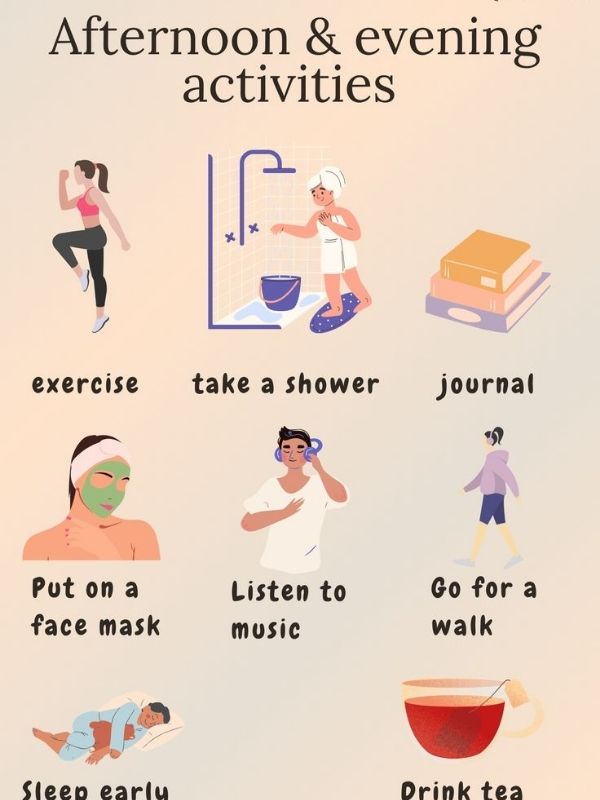
Eventually, the after-school routine needs to lead into the evening routine.
Children tend to transition more easily when they know what comes next. After homework, dinner, chores, and free time, the family can move toward bathing, pajamas, reading, preparing for tomorrow, and bedtime.
The exact order is up to you.
What matters is creating a familiar rhythm.
The final idea in these 15 after-school routine ideas for busy families is therefore less about one specific task and more about connecting the entire afternoon together.
You might think of the day as a series of simple steps:
Come home → unpack → snack → relax → homework → play or activities → dinner → prepare for tomorrow → bedtime routine.
Not every day will follow that exact order. That is completely fine.
A sports practice may move dinner later. A doctor’s appointment may change homework time. A family event may mean skipping chores.
The routine is there to provide a framework, not a rigid rulebook.
As children become more familiar with the sequence, they may begin completing parts of it without being reminded.
That is when a routine really starts working.
You are no longer directing every minute. Instead, your family understands the rhythm and knows what needs to happen next.
How to Make These After-School Routines Work in Real Life
The biggest mistake families can make is trying to introduce everything at once.
You do not need to suddenly create a complicated chart, schedule every minute, reorganize the kitchen, and assign ten chores.
Start small.
Choose two or three of these 15 after-school routine ideas for busy families that would solve your biggest problems right now.
- If mornings are chaotic, begin with backpack and next-day preparation.
- If homework is always a struggle, begin with a consistent homework window.
- If everyone is cranky after school, start with a snack and decompression period.
- If school papers constantly disappear, create a command center.
In other words, identify the problem first. Then choose the routine that addresses it.
It can also help to involve your children in the process. Ask them what part of the afternoon feels difficult. Their answers may surprise you.
A child might not hate homework itself. They may simply be too hungry to concentrate.
Another child may not be intentionally forgetting their backpack. They may not have a consistent place to put it.
When children have some input, they are often more willing to participate.
And remember that routines can change. What works during the first month of school may not work once sports season begins. A routine that works for a second grader will probably need to change as that child gets older.
So, review your system every few weeks.
Ask yourself:
- What is working?
- What keeps causing stress?
- What can we simplify?
- What can the children do independently?
- What can we stop doing altogether?
Sometimes improving a routine means adding something. Other times, it means taking something away.
What If Your Afternoon Goes Completely Off Schedule?
It will.
Even the best 15 after-school routine ideas for busy families cannot control traffic, forgotten homework, surprise school announcements, tired children, unexpected errands, or the occasional dinner disaster.
That is why your routine needs flexibility.
- If you arrive home late, skip the nonessential tasks.
- If homework takes longer than expected, adjust the evening.
- If your child is exhausted, give them a little extra time to rest.
- If dinner has to be extremely simple one night, let it be simple.
A successful family routine is not one where nothing goes wrong. It is one where everyone knows how to recover when something does go wrong.
You might even create a “minimum routine” for difficult days.
For example:
Come home → eat → complete essential homework → prepare backpack → dinner → bedtime.
Everything else can wait.
Having a backup version of your routine takes away some of the pressure. You do not have to force the full schedule when the day has already gone sideways.
That flexibility is important for parents, too.
You are managing a household, not running a perfectly timed production.
A Simple Sample After-School Schedule
If you are not sure how to put these 15 after-school routine ideas for busy families together, start with a simple example.
3:30 p.m. — Arrive home
Shoes and backpacks go to their designated spots. Lunch containers come out.
3:40 p.m. — Snack
Children have a simple snack and water.
4:00 p.m. — Decompression
Everyone gets a short break. This might mean reading, playing outside, drawing, or simply relaxing.
4:25 p.m. — Homework
Children work on assignments while a parent handles other household tasks.
5:15 p.m. — Free time or activities
Children play, attend practice, or help with a small household responsibility.
6:30 p.m. — Dinner
Everyone eats together when possible.
7:00 p.m. — Tomorrow’s preparation
Backpacks are checked, school clothes are prepared, and important items are placed where they can be found.
7:30 p.m. — Calm-down time
The family moves toward quieter activities.
8:00 p.m. onward — Bedtime routine
Bathing, pajamas, reading, and bedtime happen according to the child’s age and family schedule.
Your times may look completely different, and that is okay.
The value is in the sequence rather than the exact clock.
Tips for Keeping Your After-School Routine Simple
When you first begin using 15 after-school routine ideas for busy families, remember that simplicity usually wins.
Keep frequently used items where children can reach them. Give backpacks a permanent home. Keep snacks easy to find. Put school information in one location. Use short checklists instead of long instructions.
Also, try to avoid giving children five directions at once.
Instead of saying, “Put your bag away, wash your hands, unpack your lunch, get your homework, and clean your room,” give one or two instructions at a time.
This makes the routine easier to follow.
Visual reminders can help younger children. Older children may prefer a phone calendar, planner, or simple written checklist.
Another useful strategy is preparing the night before whenever possible. If you already know tomorrow will be busy, make a few decisions in advance.
Most importantly, give yourself permission to simplify.
You do not need Pinterest-perfect organization for your home to function well.
A basket by the door can be just as useful as an expensive storage system. A paper calendar can work just as well as a complicated family-management app if everyone actually uses it.
The best system is the one your family can maintain.
Common After-School Routine Mistakes to Avoid
Even well-intentioned routines can become stressful when they are too complicated.
One common mistake is scheduling every minute. Children need structure, but they also need unstructured time. Leaving some breathing room makes the schedule more realistic.
Another mistake is expecting children to master everything immediately. Habits take time. Reminders are normal, especially when a new school year begins.
Parents can also make the mistake of creating routines around an ideal version of the family rather than the family they actually have.
If everyone is exhausted by 6 p.m., a complicated evening chore list probably will not work.
Instead, choose the tasks that matter most.
Another issue is inconsistency. If the routine changes completely every day, children may struggle to understand what is expected. Try to keep the basic sequence stable, even when the exact times change.
Finally, avoid treating the routine as a test of obedience.
The purpose is to make life easier for everyone.
If something is clearly not working, change it.
There is no prize for sticking with a system that makes your family miserable.
Frequently Asked Questions About 15 After-School Routines
1. What should children do first when they get home from school?
A simple first step is to put away their shoes and backpack, unpack their lunch container, wash their hands, and have a snack. After that, give them a short period to relax before beginning homework or another responsibility.
The exact order can change depending on your child’s age and your family’s schedule.
2. How long should an after-school routine take?
There is no universal length. Some families may have only a couple of hours between school and bedtime, while others have much more time.
The important thing is creating a manageable sequence rather than filling every minute.
3. Should children do homework immediately after school?
Not necessarily.
Some children concentrate better after a short break and snack. Others prefer finishing homework quickly so they can enjoy the rest of the afternoon.
Pay attention to your child’s energy levels and choose the approach that works best.
4. How can I get my child to follow an after-school routine?
Start with only a few steps. Explain the routine clearly, demonstrate what each step looks like, and use reminders when necessary.
You can also involve your child in creating the routine. Giving them a little choice can make the system feel less like a list of orders.
Most importantly, be consistent.
5. What if our family’s schedule changes every day?
Create a flexible routine based on the order of activities rather than exact times.
For example, the sequence might be snack, rest, homework, activity, dinner, and preparation for tomorrow. The times can change depending on the day.
This allows the routine to remain useful without making your family feel trapped by the clock.
Conclusion
The school day does not have to end with everyone rushing from one task to another.
With a few thoughtful changes, your afternoons can become more predictable, calmer, and easier to manage. The best 15 after-school routine ideas for busy families are not necessarily the most elaborate ones. They are the habits that remove unnecessary decisions and help everyone know what comes next.
Start with one small change.
Maybe it is putting backpacks in the same place every day. Maybe it is creating a snack station. Perhaps it is giving children 20 minutes to decompress before homework. Or maybe it is preparing tomorrow’s school items before bedtime.
Once that habit feels natural, add another.
Before long, your family may have a routine that works almost automatically.
And remember, real family life is messy. Some afternoons will go beautifully, while others will involve forgotten assignments, late dinners, sibling arguments, and someone suddenly announcing that they need a poster board tomorrow morning.
That is normal.
A good routine does not eliminate those moments. Instead, it gives your family a dependable foundation to return to when the day gets messy.
So, choose the ideas that fit your family, leave room for flexibility, and do not be afraid to change the routine as your children grow.
The goal is not a perfect afternoon.
The goal is an afternoon that feels a little easier for everyone.